A Presidency Under Pressure: Inside Trump’s Oval Office Outbursts and the Questions They Raise
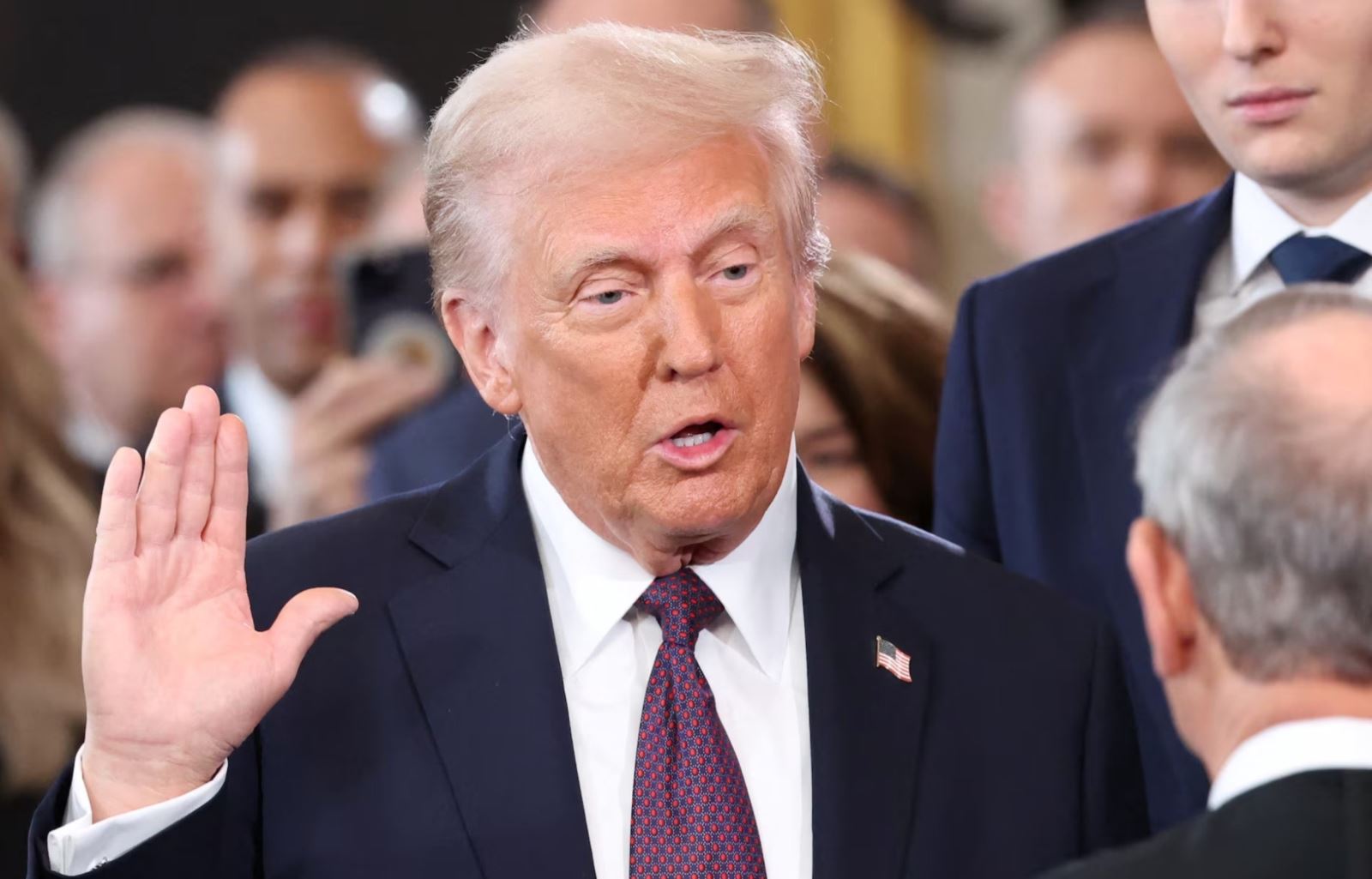
WASHINGTON — President Donald Trump’s address this week to senior U.S. military officers at Marine Corps Base Quantico was meant to project authority and confidence. Instead, it renewed a familiar cycle: a speech filled with exaggerations and false claims, followed by public fact-checking and renewed scrutiny of the president’s temperament and capacity to handle the pressures of office.
In a live post-speech analysis on CNN, senior reporter Daniel Dale cataloged numerous inaccuracies in the president’s remarks, including repeated claims that former President Joseph R. Biden Jr. had never described the U.S. military as the strongest in the world — a statement easily contradicted by Biden’s own public record. Dale noted that such falsehoods have become routine, but emphasized the unusual gravity of delivering them before the nation’s top military leadership.
Yet the speech itself is only one piece of a broader pattern now drawing increasing attention in Washington: a series of Oval Office incidents in which Mr. Trump has appeared to lose composure, publicly berate staff members, or abruptly terminate official events without explanation. Captured on live television and rapidly disseminated online, these moments have fueled questions about the president’s leadership style, emotional regulation, and physical stamina during his second term.
The August 2025 Incident
One of the most widely discussed episodes occurred on August 25, 2025, during what was intended to be a routine Oval Office press conference announcing a proposed federal investment involving Intel. According to multiple media accounts and video footage, Mr. Trump stopped mid-answer after hearing background noise, turned toward the rear of the room, and angrily demanded that the person responsible “get out of the room.”
The individual was later identified as Will Scharf, the White House staff secretary, who appeared to be performing routine duties. The outburst prompted nervous laughter from reporters present — a reaction that underscored the unusual nature of a president publicly reprimanding senior staff during a live event.
White House officials declined to comment on the exchange at the time, but the clip circulated widely, reinforcing longstanding critiques of Mr. Trump’s volatile temperament and intolerance for minor disruptions.
Abrupt Endings and Unanswered Questions
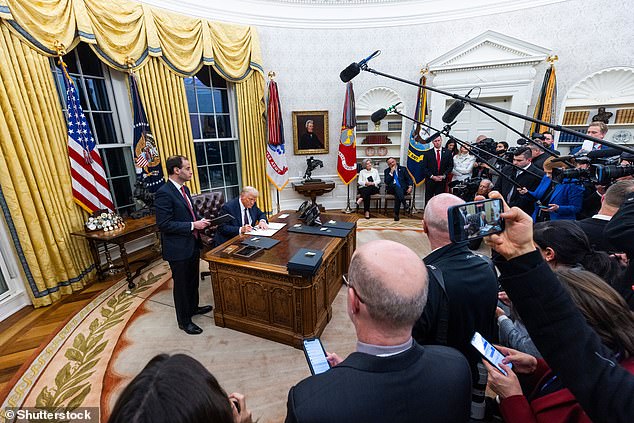
A second incident in January 2026 intensified speculation. During another Oval Office appearance, the president suddenly ended the event and ordered all media out of the room without providing an explanation. The move baffled reporters and viewers alike, as no visible disruption or contentious exchange preceded the decision.
The lack of clarity fueled conjecture across political media, with commentators questioning whether the president had been upset, unwell, or confronted with an issue off-camera. The White House again offered no detailed account, allowing uncertainty to persist.
A third episode in February 2026 generated even more uncomfortable discussion. During a televised Oval Office appearance, a staff member’s visible reaction — interpreted by some commentators as discomfort — was followed by Mr. Trump swiftly terminating the event. While no verified explanation emerged, the footage prompted widespread online speculation about whether the president was attempting to contain an embarrassing or awkward moment.
Pattern Versus Isolated Events
Individually, such incidents might be dismissed as lapses in judgment or the product of an unconventional leadership style. Taken together, however, they suggest a pattern: when faced with discomfort, distraction, or loss of control, Mr. Trump frequently responds by ending events or removing observers rather than managing through the situation.
Former presidents of both parties have endured noisy press conferences, awkward moments, and hostile questioning without resorting to public reprimands or abrupt shutdowns. Political historians note that maintaining composure under scrutiny is a core expectation of the office, not merely a matter of personal style.
“These are not high-pressure crisis moments,” said one former White House official from a previous administration, speaking on condition of anonymity. “They are routine events. The inability to tolerate minor disruptions raises legitimate concerns.”
Health and Stamina Concerns
The incidents have coincided with renewed discussion of Mr. Trump’s physical and mental stamina. Now in his late seventies, the president is navigating simultaneous pressures: ongoing legal battles, impeachment threats from congressional Democrats, declining approval ratings, and escalating international and domestic challenges.
Several media outlets have reported, citing unnamed sources close to the White House, that senior aides privately worry about Mr. Trump’s fatigue, limited sleep, and reliance on medication. While the White House physician has released periodic statements asserting that the president remains fit for duty, those disclosures have been brief and lack the detail provided by some previous administrations.
Medical experts caution against drawing conclusions based solely on public appearances. Nonetheless, they acknowledge that chronic stress, sleep deprivation, and advanced age can significantly impair emotional regulation and cognitive performance.
Political Consequences
For Democrats, the Oval Office incidents offer potent material. Lawmakers considering impeachment proceedings have increasingly pointed to what they describe as erratic behavior and declining capacity. For Republicans, particularly those facing competitive midterm races, the episodes present an uncomfortable dilemma: whether to defend the president’s conduct or quietly distance themselves from it.
Public opinion data suggests that while Mr. Trump’s core supporters remain loyal, independent voters express growing unease. Viral clips of the president yelling at staff or abruptly ending events undermine his longstanding self-portrayal as a decisive and unshakeable leader.
“The image problem is real,” said a Republican strategist who has advised past presidential campaigns. “Strength is not just about dominance. It’s about control. These moments don’t project control.”
A Presidency Defined by Pressure
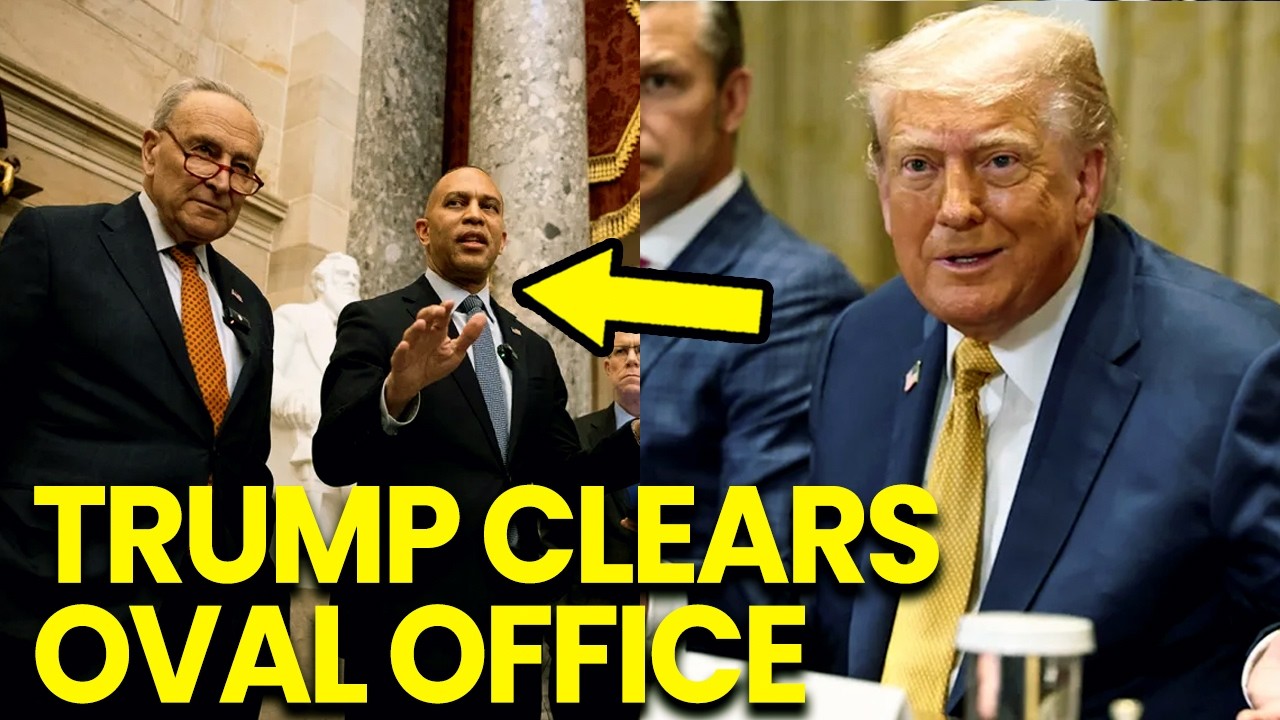
The White House has long argued that Mr. Trump thrives under pressure. Yet the accumulation of public outbursts, abrupt exits, and fact-checked falsehoods paints a more complicated picture — one of a presidency increasingly reactive, defensive, and strained.
Whether these episodes foreshadow deeper problems or simply reflect a governing style that prizes control over composure remains an open question. What is clear is that each incident chips away at public confidence, amplifying scrutiny at a moment when the president can least afford it.
As pressures mount — legal, political, and personal — the Oval Office, traditionally a symbol of stability, has become the stage for moments of visible tension. In a presidency already defined by conflict, those moments may prove as consequential as any policy decision, shaping how history judges not just what Mr. Trump did in office, but how he bore the weight of it.