Satire, Politics and the Internet: How a South Park-Linked Parody Sparked Online Debate
WASHINGTON — Political satire has long played a visible role in American public discourse, from late-night television monologues to editorial cartoons and viral internet commentary. In recent days, that tradition resurfaced in a new digital form as a parody website linked to a former South Park writer drew widespread attention online, reigniting debate about satire, politics and the boundaries of public commentary.
The episode began circulating widely on social media after commentators highlighted a satirical website created by Toby Morton, a comedian and former writer associated with the long-running animated series South Park. The site, designed in the style of a mock political campaign page, appeared shortly after renewed political debate surrounding U.S. foreign policy and military tensions abroad.
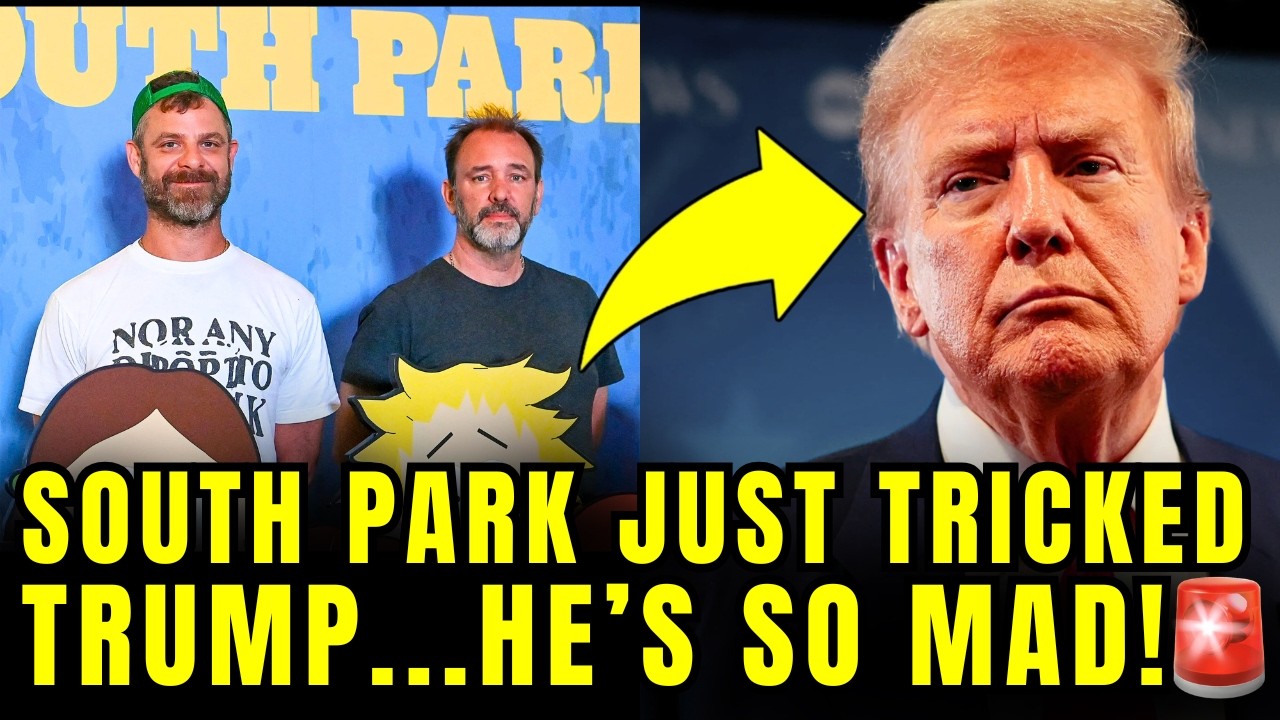
Morton, who has previously created numerous parody websites targeting political figures and public institutions, described his work as part of a broader tradition of political satire. According to public statements and interviews in past projects, his websites are intended to provoke discussion about power, policy decisions and the public figures who shape them.
The website quickly spread across social media platforms, where users shared screenshots and commentary about its content. Some posts framed the site as a form of protest or criticism tied to recent geopolitical tensions, while others viewed it primarily as comedic satire in the tradition of shows like South Park.
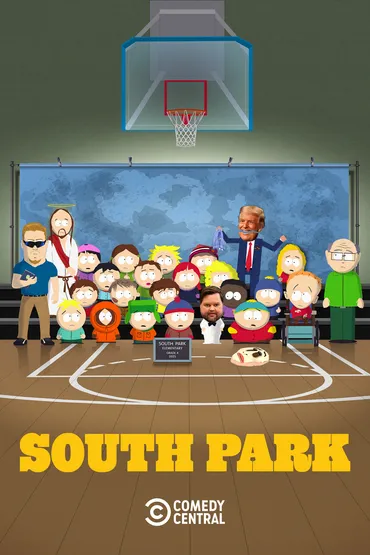
South Park, which first premiered in 1997 on Comedy Central, has built a reputation for sharply satirical portrayals of politicians, celebrities and current events. Created by Trey Parker and Matt Stone, the series often incorporates topical political commentary into its episodes, sometimes within days of major news events.
Over the years the show has depicted figures from across the political spectrum, including presidents, members of Congress, technology executives and media personalities. Its style—often blunt, irreverent and intentionally provocative—has frequently generated both praise and criticism.
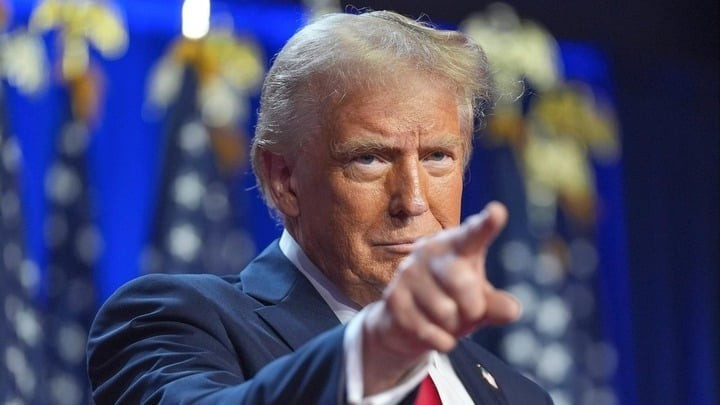
The latest online discussion reflects how satire has increasingly migrated from television and print into digital platforms. Websites, memes and social media posts now allow comedians and activists to distribute satirical commentary almost instantly to large audiences.
Political communication experts say the phenomenon illustrates how humor and political messaging often intersect in the digital era.
“Satire has always been a tool for public critique,” said one media scholar who studies political humor. “What’s changed is the speed and scale. A parody that might once have appeared in a magazine can now circulate globally within hours.”
In this case, the parody site referenced ongoing public debate related to U.S. leadership and international tensions, which have dominated news coverage in recent weeks. The site’s content was written in an exaggerated promotional tone, a common technique used in satire to highlight perceived contradictions or political controversies.
Social media users responded quickly. Some praised the parody as a creative expression of political criticism, while others argued that satire targeting public figures and their families can raise ethical questions.
The exchange quickly became part of a broader conversation about the role of humor in political debate. On platforms such as X and Bluesky, commentators and journalists shared differing perspectives on whether satire can meaningfully influence public opinion or whether it primarily reflects existing political divisions.
For many observers, the episode highlights the increasingly blurred boundaries between entertainment, commentary and political activism. Television programs like South Park once dominated the landscape of political satire, but today comedians, writers and independent creators can produce viral content without relying on traditional media outlets.
Digital platforms have accelerated that shift. Parody websites, short videos and satirical graphics can now circulate widely through reposts and algorithm-driven feeds, often reaching audiences far beyond their original creators.
At the same time, the rise of political satire online has intensified debates about tone and responsibility in public discourse. Critics argue that highly charged satire can sometimes deepen polarization, while supporters say humor remains one of the most effective ways to challenge authority and encourage civic engagement.
Despite the differing views, scholars note that satire has long been embedded in American political culture. From Mark Twain’s essays in the 19th century to modern television comedy, humor has often served as a vehicle for questioning power and highlighting contradictions in public life.
“The United States has a deep tradition of political humor,” the media scholar said. “It’s one of the ways societies process conflict, criticism and change.”
For now, the parody website continues to circulate online, with discussions spreading across media outlets and social platforms. Whether viewed as pointed political commentary or simply another example of internet satire, the episode underscores how quickly humor and politics can converge in the digital age—and how rapidly those conversations can reach a global audience.






