U.S. Senator John Kennedy Fiercely Criticizes UK Prime Minister Keir Starmer Over Chagos Islands Deal, Sparking Transatlantic Tensions
Washington, D.C. – A sharp diplomatic row has erupted between the United States and the United Kingdom following blistering remarks from U.S. Senator John Kennedy (R-La.), who publicly lambasted British Prime Minister Keir Starmer over the controversial agreement to transfer sovereignty of the Chagos Islands to Mauritius. The deal, which includes provisions for a long-term lease of the strategic Diego Garcia military base, has drawn intense scrutiny for its potential implications on Western security in the Indian Ocean.
In a fiery speech on the Senate floor, Senator Kennedy did not mince words, describing the proposal as fundamentally misguided and detrimental to shared U.S.-UK interests. “Prime Minister Starmer, I don’t mean any disrespect. I just think he’s wrong,” Kennedy stated, according to reports of his remarks. He went further, calling the idea “dumb” and urging the UK to either abandon the transfer or sell the islands outright to the United States rather than hand them over in what he portrayed as a concession that could benefit adversarial powers.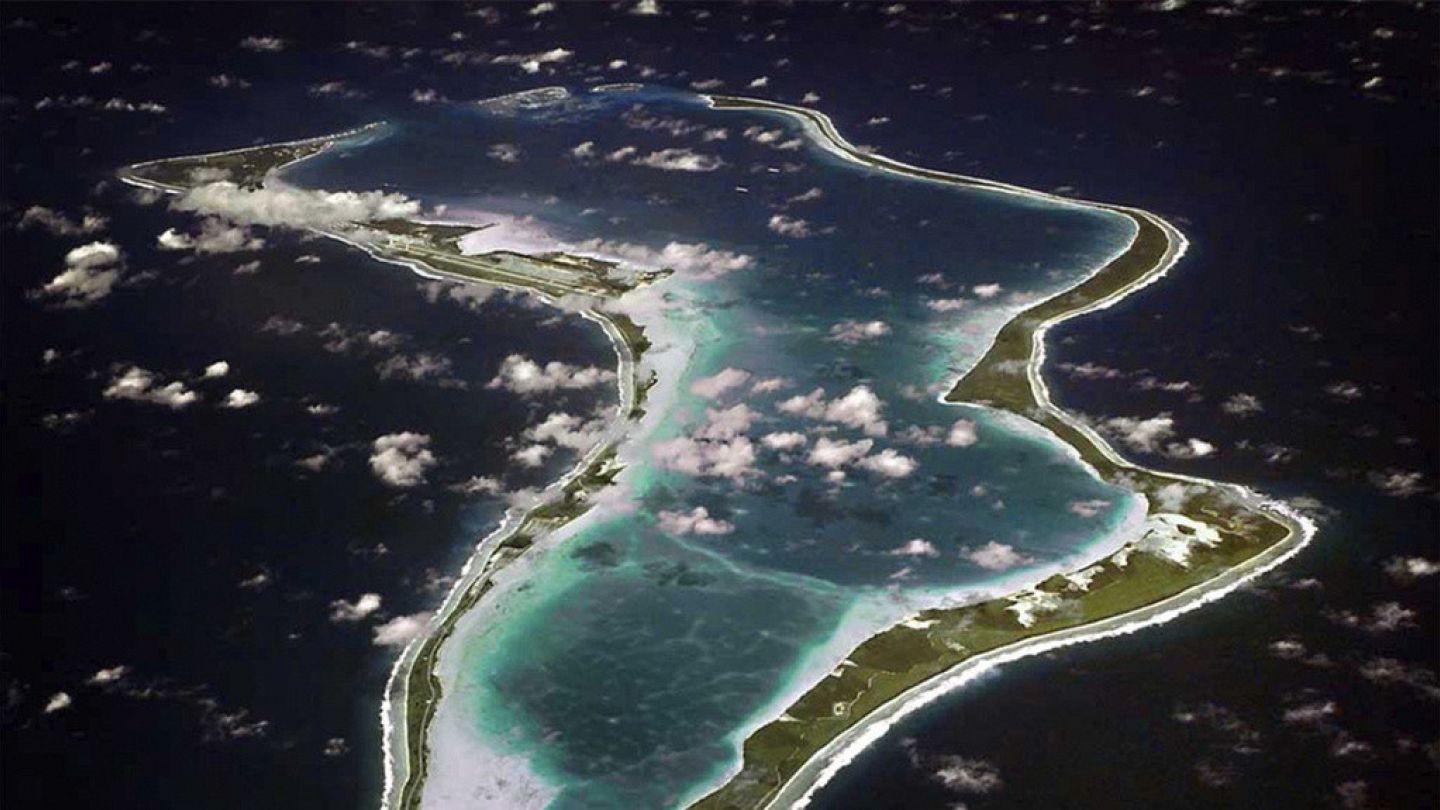
The Chagos Archipelago, a remote chain of islands in the central Indian Ocean, has long been a flashpoint in international relations. Britain has administered the territory since the 19th century, but the main island, Diego Garcia, hosts a critical joint U.S.-UK military facility. Established during the Cold War and funded largely by American resources, the base serves as a vital hub for logistics, surveillance, and power projection in the Indo-Pacific region. It has supported operations ranging from the Gulf Wars to counter-piracy efforts and remains essential for monitoring maritime routes amid rising tensions with China.
The agreement negotiated by the Starmer government would see sovereignty ceded to Mauritius, a nation with historical claims to the islands, in exchange for a 99-year lease ensuring continued military access to Diego Garcia. Proponents argue it resolves a decades-old dispute, upholds international law following advisory opinions from bodies like the International Court of Justice, and strengthens ties with African nations. Critics, however, contend that Mauritius’s growing alignment with Beijing could expose the base to intelligence risks or future restrictions, effectively handing influence over a key Western asset to a China-friendly state.
Senator Kennedy’s intervention has amplified these concerns on the American side. In multiple public statements and social media posts, he warned that proceeding with the deal would damage the “special relationship” between Washington and London. “America won’t forget if the UK gives away the Chagos Islands with our military base,” he declared in one release. He highlighted the strategic folly, suggesting the UK was motivated by misplaced guilt over colonial history rather than national security priorities. In characteristically colorful language, Kennedy has likened aspects of the policy to poor judgment, even invoking humorous jabs to underscore his point.
The backlash has reverberated across the Atlantic. In Westminster, opposition lawmakers and some within the Conservative Party have seized on Kennedy’s comments to press Starmer for greater transparency on the negotiations. Questions are mounting about the long-term viability of the lease arrangement, potential veto rights for the U.S., and whether the deal adequately safeguards against third-party interference. Analysts warn that if unresolved, the dispute could strain NATO cooperation and broader allied coordination in the face of great-power competition.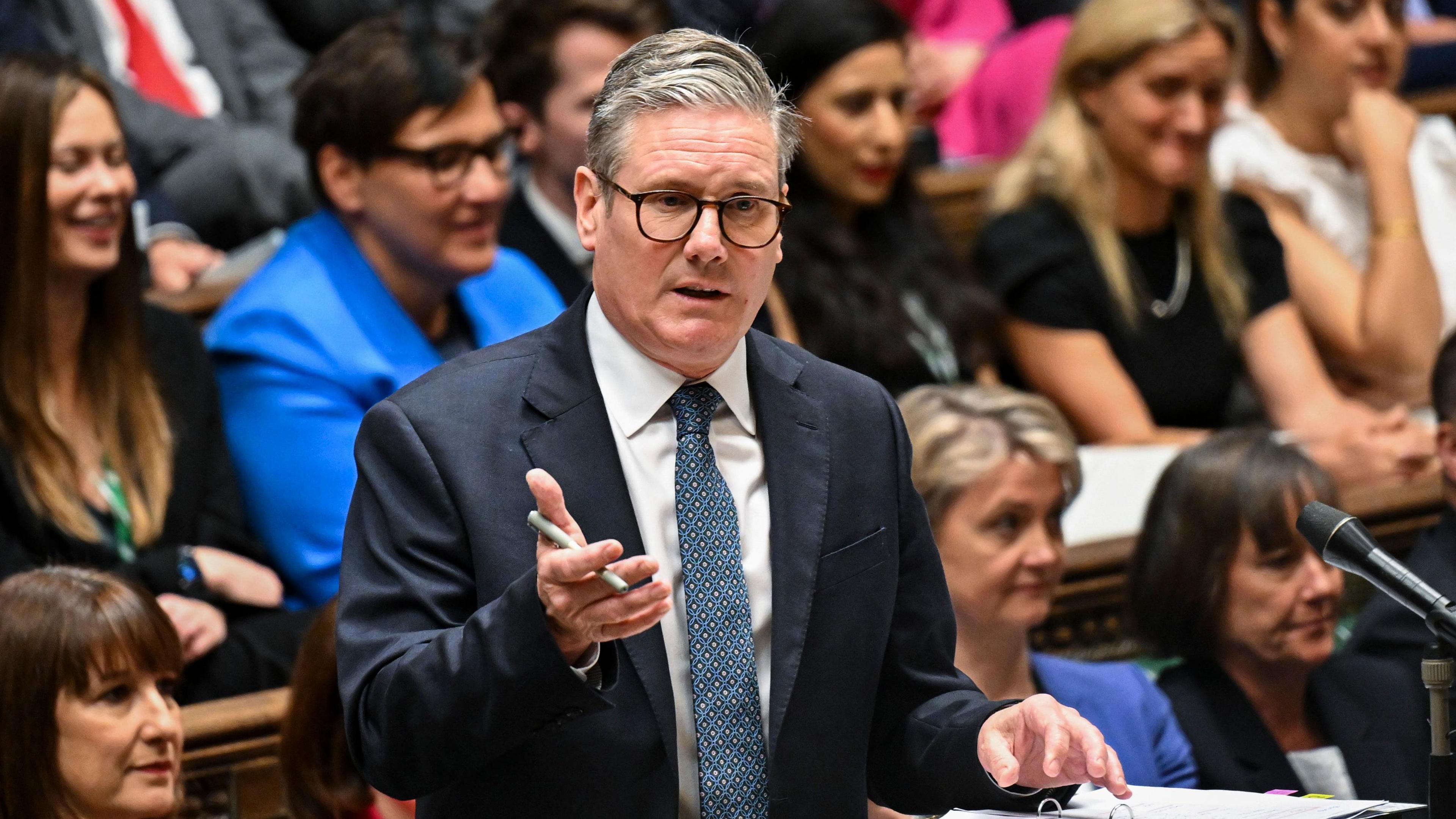
On the U.S. front, Kennedy’s outspoken stance aligns with broader skepticism from figures in the Trump administration and Congress toward concessions that might weaken strategic footholds. Reports indicate high-level discussions have addressed the issue, with some American officials expressing reluctance to endorse any arrangement that risks the base’s operational freedom.
As pressure builds, the Chagos deal stands at a crossroads. Prime Minister Starmer’s government maintains that the agreement balances historical justice with security needs, but Senator Kennedy’s unrelenting criticism has elevated it into a high-profile test of transatlantic trust. With geopolitical stakes high in the Indian Ocean—where shipping lanes, submarine cables, and military presence intersect—the fallout could extend far beyond bilateral ties, potentially reshaping alliances in an era of intensifying rivalry.
For now, the row underscores the delicate balance between sovereignty claims, historical grievances, and hard-nosed strategic imperatives. Whether the two allies can navigate this storm will likely depend on pragmatic diplomacy in the weeks ahead.






