Canada’s Fighter Jet Crossroads: Sovereignty vs. Integration in a New Defense Era
Canada is approaching a pivotal decision that extends far beyond the selection of a new fighter jet. At stake is not only the replacement of its aging CF-18 fleet, but also a broader question about how the country defines sovereignty, alliance, and control in an increasingly interconnected military landscape.
For years, the path forward appeared straightforward. Canada was expected to finalize its purchase of 88 F-35 aircraft from Lockheed Martin, reinforcing its longstanding defense alignment with the United States and its commitments within NATO. The F-35, widely regarded as the most advanced fighter jet in the world, offers unmatched stealth, sensor fusion, and battlefield awareness. Its adoption by numerous allied nations has made it a cornerstone of Western air power and a symbol of deep military integration.
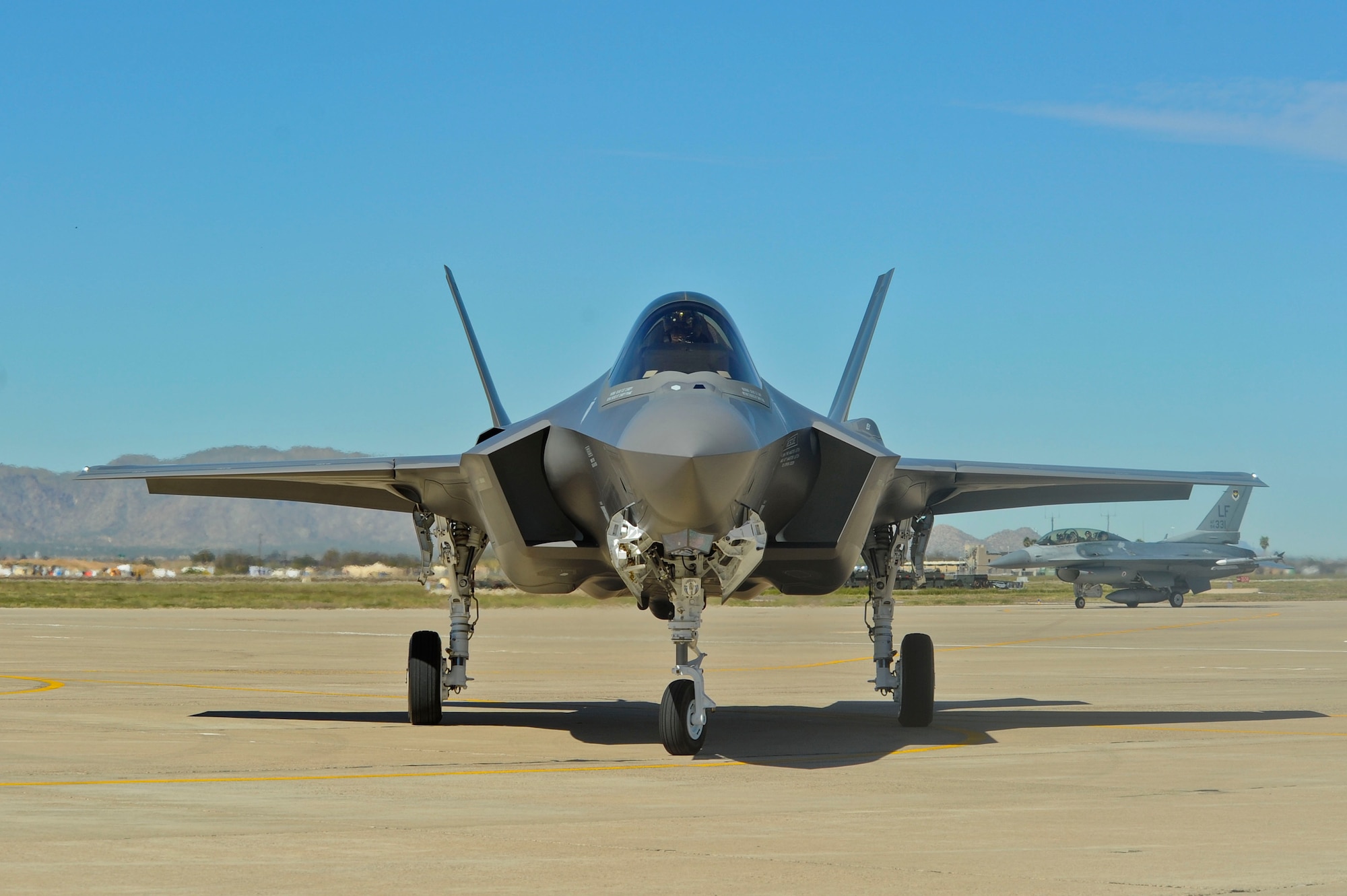
Yet that sense of inevitability has been disrupted by an unexpected contender: Saab and its JAS 39 Gripen. The Swedish firm’s proposal goes beyond performance metrics, offering Canada something more politically and economically compelling—control. Saab has pledged extensive technology transfer, domestic production partnerships, and the potential creation of up to 10,000 jobs, including collaboration with Bombardier. This proposal reframes the procurement decision as not only a defense investment, but also an industrial strategy.
The contrast between the two aircraft reflects a deeper divergence in philosophy. The F-35 operates within a tightly integrated ecosystem managed largely by the United States, where software updates, maintenance systems, and mission data are centrally controlled. This structure enhances interoperability among allies, particularly within frameworks like NORAD and NATO, but also creates dependencies that limit national autonomy.
By contrast, the Gripen is designed for independence. Countries operating the aircraft retain full control over mission systems, software, and upgrades. This flexibility allows for customization and reduces reliance on external approval, a feature that has drawn interest from nations seeking greater strategic autonomy. It is this very independence, however, that has raised concerns in Washington.
American officials have emphasized the importance of interoperability, warning that diverging from the F-35 program could complicate joint operations and intelligence sharing. While such concerns are framed in technical terms, they also reflect a broader strategic reality: the F-35 program is not merely a weapons system, but a network that binds allied militaries into a shared operational framework.
For Canada, the decision is further complicated by geography. The country is responsible for defending one of the largest airspaces in the world, including vast Arctic regions where extreme conditions and limited infrastructure present unique challenges. Aircraft must be capable of operating in remote environments, often far from established bases.
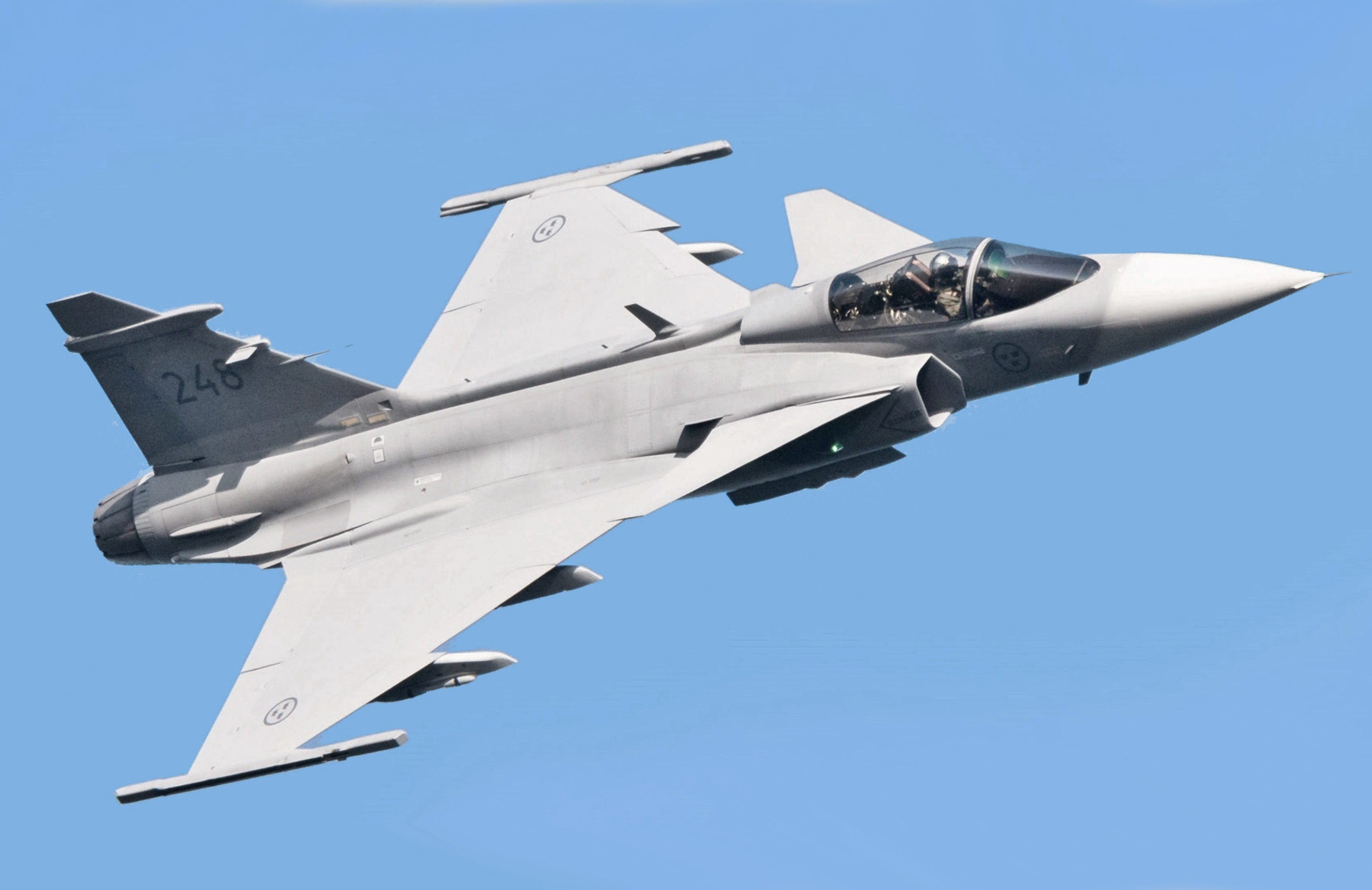
Here, the Gripen offers distinct advantages. Originally developed during the Cold War with an emphasis on survivability, it can operate from dispersed locations, including highways and temporary runways, and be maintained by small teams. This aligns with modern military strategies that prioritize mobility and resilience in the face of potential disruptions to centralized infrastructure.
The F-35, while technologically superior in many respects, relies on more complex support systems that are best suited to well-equipped bases. This difference highlights a fundamental trade-off between cutting-edge capability and operational flexibility.
Economic considerations are also shaping the debate. Rising costs associated with the F-35 program—reportedly increasing by billions in recent years—have prompted renewed scrutiny from Canadian leadership, including Prime Minister Mark Carney. At a time of fiscal pressure, the prospect of domestic job creation and industrial growth carries significant weight.
At the same time, Canada has made clear that its commitment to alliances remains unchanged. Its role within NORAD and NATO continues to be central to its defense strategy. The question is not whether Canada will cooperate with its allies, but how that cooperation will be structured in an era where technology increasingly defines the boundaries of control.

This debate reflects a broader shift taking place across the global defense landscape. As military systems become more digitally integrated, nations are beginning to reassess the balance between access to advanced capabilities and the preservation of sovereignty. Canada’s decision may serve as a test case, influencing how other countries approach similar choices in the future.
Ultimately, there is no perfect option. The F-35 offers unparalleled technological dominance within a deeply integrated alliance system. The Gripen provides greater independence and flexibility, but with potential trade-offs in interoperability and capability.
Canada now faces a defining moment. Its choice will shape not only the future of its air force, but also its position within a rapidly evolving network of global defense partnerships—where the lines between cooperation and control are becoming increasingly difficult to draw.






