Capitol Fury, But No Consequences: Senate Vote Leaves Trump’s Iran Strategy Unchanged

WASHINGTON — Tempers flared across Capitol Hill this week as lawmakers delivered urgent warnings, sharp criticism, and passionate speeches about the United States’ escalating tensions with Iran. But when the decisive vote arrived, the result revealed a quieter political reality: Congress ultimately chose not to restrict President Donald Trump’s authority over ongoing national security actions.
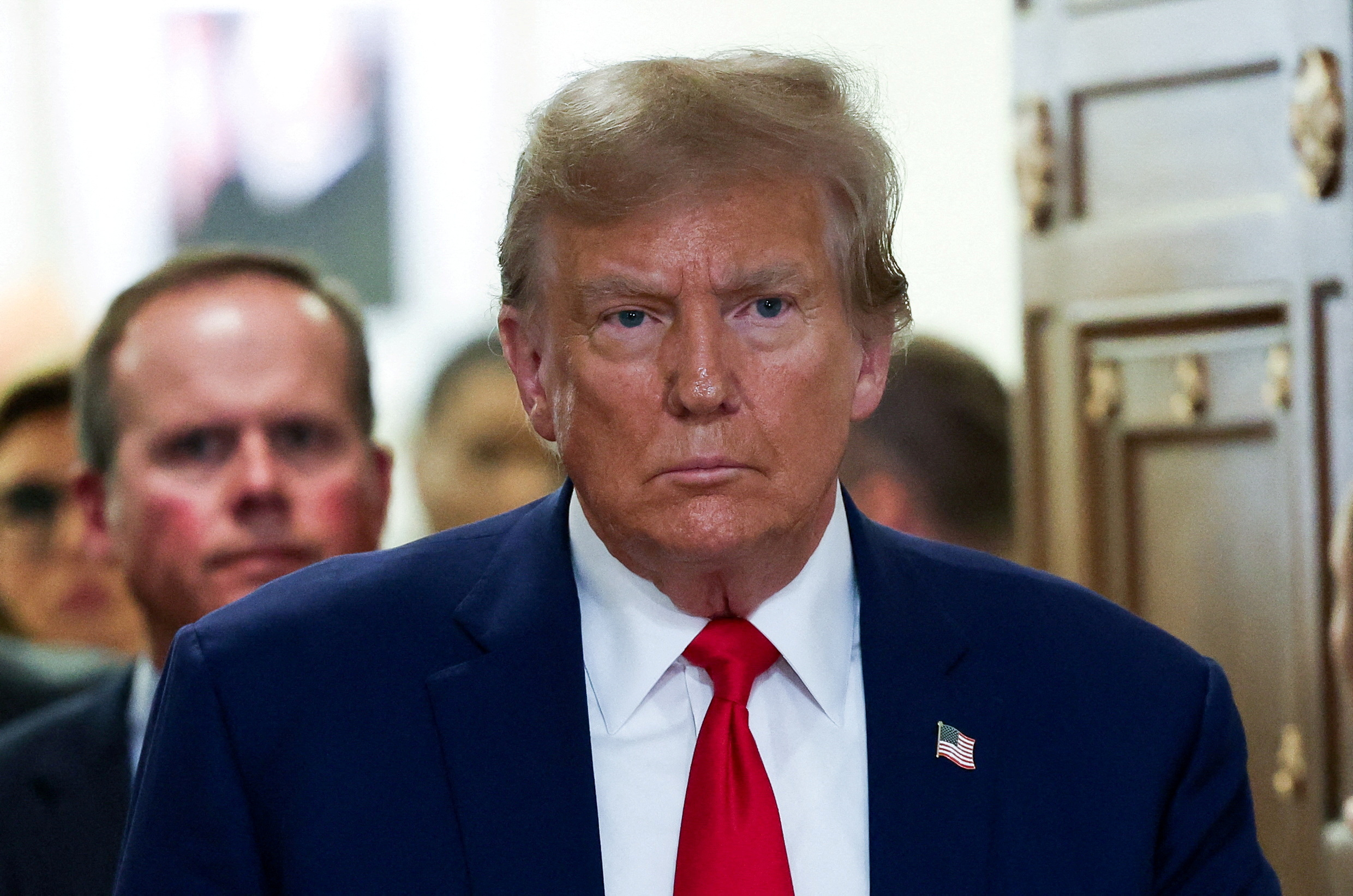
In a closely watched vote, the Senate rejected the Kaine–Schumer resolution, a proposal intended to require congressional approval before the United States could expand military actions involving Iran. The measure failed 53–47, largely along party lines, leaving the administration’s current strategy unchanged.
The outcome highlights a familiar dynamic in Washington — intense debate paired with limited institutional action.
Congress Debates Presidential Authority

The proposal, led by Senator Tim Kaine of Virginia and backed by Senate Democratic leadership including Majority Leader Chuck Schumer of New York, aimed to reinforce Congress’s constitutional role in decisions involving the use of U.S. force abroad.
Under the framework of the War Powers Resolution of 1973, presidents may initiate limited military operations for a short period but must obtain approval from Congress to continue them beyond a defined window. The Kaine–Schumer measure sought to apply that principle to the current situation involving Iran.
If adopted, the resolution would have required the administration to pause expanded operations unless lawmakers approved a new authorization. Defensive actions to protect U.S. personnel would still have been permitted.
Supporters argued the proposal was not about restricting the president outright but about reaffirming Congress’s constitutional responsibility to participate in decisions involving significant national security actions.
Yet the Senate majority ultimately declined to impose that requirement.
A Largely Party-Line Vote
When the final votes were counted, 53 senators opposed the measure while 47 supported it.
Most Republicans voted against the resolution, while nearly all Democrats and independents backed it. Kentucky Senator Rand Paul, known for his longstanding skepticism toward overseas interventions, was among the few Republicans who crossed party lines in support.
Meanwhile, Pennsylvania Senator John Fetterman voted with Republicans against the proposal, creating one of the only notable Democratic departures from the caucus position.
The vote preserved the administration’s current authority over ongoing operations tied to Iran.
Heated Speeches, Limited Action
The Senate debate itself was anything but quiet.
Lawmakers from both parties raised concerns about transparency, strategic clarity, and the long-term implications of U.S. involvement in the region. Some warned that expanded operations without congressional oversight could increase geopolitical tensions or draw the United States into a broader regional crisis.
Others argued the president must retain flexibility to respond quickly to emerging threats and protect American personnel and allies.
Despite those warnings and lengthy floor speeches, the final vote reflected a clear institutional decision: Congress would not impose new limits at this time.
In Washington, speeches often dominate headlines — but votes ultimately determine policy.
The House Reached the Same Conclusion
The Senate vote followed a similar outcome in the House of Representatives earlier in the week.
There, lawmakers rejected a comparable effort to require additional congressional authorization by a 219–212 margin. Like the Senate vote, the House result fell largely along party lines.
Two Republicans supported the measure alongside Democrats, while several Democrats voted with Republicans to oppose it.
Taken together, the two votes created a consistent record across both chambers: lawmakers debated placing limits on the president’s authority but ultimately declined to do so.
Why the Vote Matters Politically
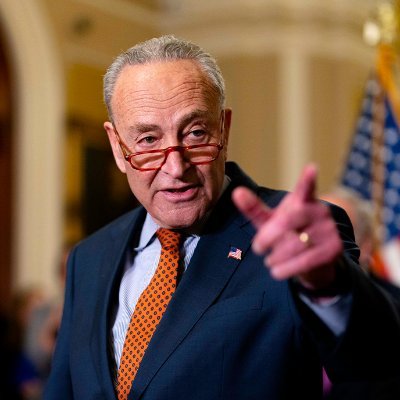
While the vote does not change current policy, it offers a revealing snapshot of the political balance in Washington.
Democrats — led in the Senate by Chuck Schumer and policy advocates like Tim Kaine — have argued that Congress should play a stronger role in overseeing major national security decisions, particularly when tensions with another nation could escalate quickly.
Republicans, holding narrow majorities in Congress, largely defended President Trump’s ability to act without additional legislative constraints.
The results demonstrate how partisan alignment can shape decisions involving foreign policy authority — even when lawmakers across the aisle express concern about the broader situation.
The Numbers Tell the Story
Some commentary surrounding the vote framed it as evidence of rising opposition to the administration’s approach toward Iran.
But the numerical reality tells a more measured story.
The Senate’s 53–47 result shows that while significant opposition exists, it is not large enough to overcome party divisions in a closely divided chamber. Meanwhile, the House vote of 219–212 reinforces that the margins remain narrow but decisive.
For now, those numbers represent the official institutional response from Congress.
Lawmakers debated the issue extensively.
They raised questions about oversight and strategy.
And in the end, they voted to leave President Trump’s current authority unchanged.
On Capitol Hill, passionate speeches often capture the spotlight. But the lasting record of power in Washington is written in the vote counts — and this week, those numbers made the outcome unmistakably clear.






