Restoring Clarity: The Push to Define Sex in Australian Law
In a significant development in Australian federal politics, Nationals MP Alison Penfold has introduced a new bill aimed at strengthening protections for women. Titled the Sex Discrimination Amendment (Sex-Based Rights) Bill 2026, the legislation seeks to reinstate biological definitions of male and female within the Sex Discrimination Act. This move comes amid ongoing debates about sex, gender, and single-sex spaces.
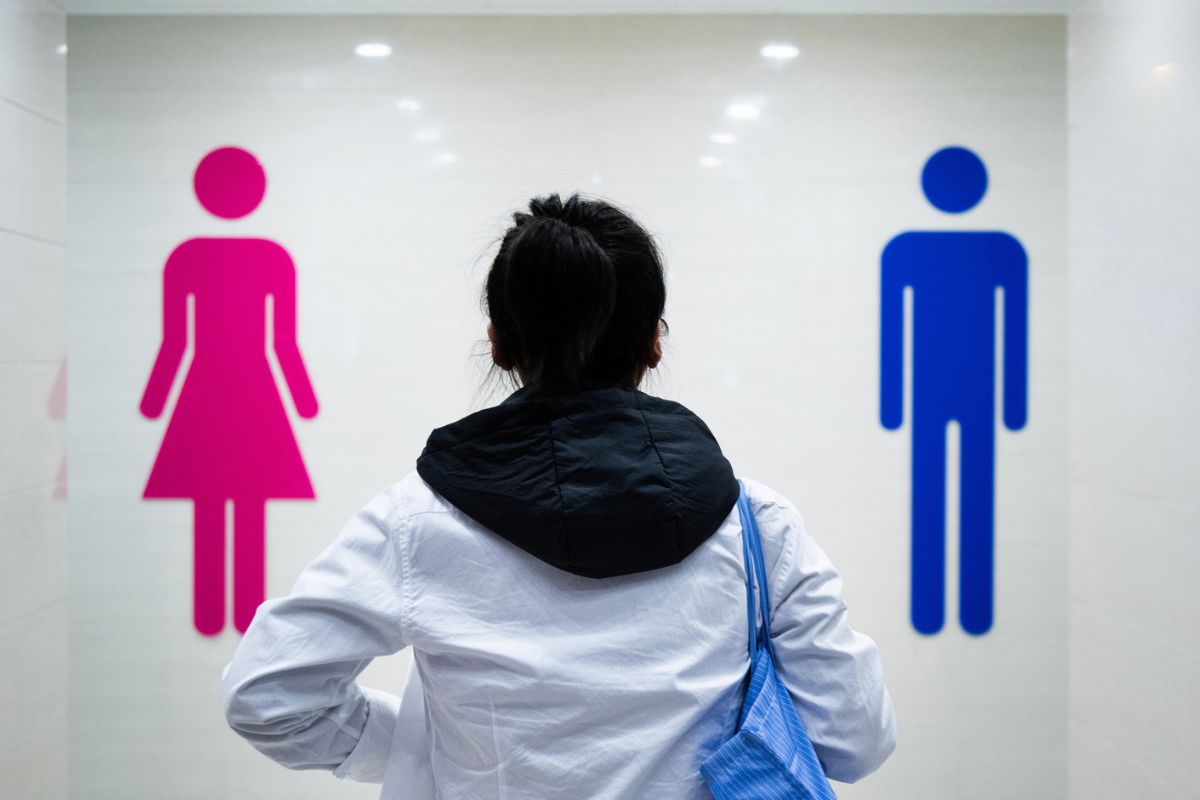
The bill addresses concerns that current laws have created ambiguity, potentially undermining women’s rights to privacy, safety, and fairness in various areas of public life. Penfold, the Member for Lyne, argues that restoring clear definitions is essential to protect biological women and girls.
Australia’s Sex Discrimination Act was originally passed in 1984 to combat discrimination based on sex, marital status, and pregnancy. Over the decades, it has been amended to reflect evolving social attitudes. A key change occurred in 2013 when references to biological definitions of “man” and “woman” were removed, and new protections for gender identity and intersex status were added.
This shift was intended to broaden anti-discrimination safeguards. However, critics contend it has led to unintended consequences, blurring the lines between biological sex and gender identity in legal interpretations.
The Giggle v Tickle case highlighted these tensions. A Federal Court ruling involving a women-only social app raised questions about who qualifies for access to female-only spaces under the current Act. Many viewed the decision as evidence that the law no longer adequately protects biological women’s rights.
Penfold’s bill directly responds to such cases. It proposes reinstating definitions that recognize sex as biological and binary. It would also introduce explicit protections for women-only services, spaces, and activities, ensuring that sex-based rights take precedence where conflicts arise with gender identity.
Supporters of the bill emphasize common-sense principles. They argue that biological sex is an observable, immutable characteristic with real-world implications for physical differences, health needs, and safety considerations. Women have historically faced discrimination precisely because of their sex, making targeted protections necessary.
In her public statements, Penfold has called on the Prime Minister to support the legislation. She believes it restores balance without removing rights from any group, but rather clarifies existing ones for biological females.
The proposal includes amendments to references in the Act, moving from “different sex” to “opposite sex” language in certain contexts. It also seeks to provide legal certainty for areas like sports, prisons, shelters, bathrooms, and changing rooms.
Opponents, including some advocacy groups, argue that the bill could weaken protections for transgender individuals and create division. They maintain that inclusive policies better serve modern society and that existing laws already strike an appropriate balance.
However, Penfold and her colleagues counter that women’s rights should not be eroded in the process of accommodating gender identity. They point to international examples where similar clarifications have been made to safeguard female categories.

Public reaction has been strong, with many Australians expressing support for clearer definitions. Polls and commentary suggest a significant portion of the population believes biological sex should remain a protected characteristic in law, distinct from self-identified gender.
This debate touches on deeper philosophical questions. What is a woman? In biological terms, it refers to an adult human female, characterized by the production of large gametes (ova) and associated reproductive anatomy. This definition has been standard across cultures and sciences for centuries.
Legally embedding this understanding aims to prevent situations where biological males participate in women’s sports, access female prisons, or enter women-only support services. Advocates argue such inclusion can compromise fairness, safety, and dignity.
The bill also addresses data collection and medical contexts. Accurate recording of biological sex is crucial for health research, sports regulations, crime statistics, and policy-making. Without it, important patterns related to sex-specific issues may become obscured.
Penfold’s introduction of the bill marks a bold step by the Nationals. As a private member’s bill, its path to becoming law depends on broader parliamentary support. Calls for the Prime Minister and major parties to back it reflect a desire for cross-party consensus on this issue.
Women’s rights organizations have long campaigned for sex-based protections. They highlight vulnerabilities in areas like domestic violence shelters, where trauma-informed care often requires single-sex environments. Similar concerns apply to female sports, where physical advantages can undermine competitive equity.
Education and youth spaces are another focus. Parents and educators worry about policies that allow biological males into girls’ changing rooms or sports teams, potentially affecting privacy and participation rates.
The 2013 amendments to the Sex Discrimination Act removed explicit definitions to promote inclusivity. While well-intentioned, this created a legal vacuum that courts have had to fill, sometimes in ways that surprise or concern the public.
Restoring definitions does not mean rolling back anti-discrimination protections entirely. The bill maintains safeguards against unfair treatment while clarifying boundaries for single-sex provisions.
Australia’s federal system means states and territories also have their own laws, leading to potential inconsistencies. A national clarification could provide uniformity and reduce confusion for organizations and individuals.
International trends show a pushback against expansive gender policies. Countries like the UK, Sweden, and others have reviewed self-identification approaches and strengthened biological sex-based rights in certain domains following evidence reviews.
Penfold’s bill aligns with these global reassessments, prioritizing evidence over ideology. It emphasizes that recognizing biological reality benefits everyone by creating clear, workable policies.
Critics fear the legislation could stigmatize transgender people. Proponents respond that compassion and practical accommodations remain possible without compromising women’s fundamental rights.
The timing of the bill follows heightened media attention to high-profile cases. Public discourse has intensified, with many women voicing frustration over lost spaces and opportunities.
For young girls entering sports or seeking safe environments, clear legal boundaries could provide reassurance. Fairness in competition preserves the integrity of women’s categories.
In workplaces and public facilities, the bill seeks to balance rights thoughtfully. Employers and service providers would gain clearer guidance on compliance.
As parliament debates this issue, Australians from all backgrounds are engaging. Town halls, petitions, and media discussions reflect a society grappling with how best to protect vulnerable groups while respecting individual identities.
Penfold’s call to the Prime Minister underscores the urgency. With growing evidence of implementation challenges under current laws, legislative action could prevent further legal battles and social friction.
The Sex Discrimination Amendment (Sex-Based Rights) Bill 2026 represents more than technical changes. It embodies a commitment to biological truth in law, aiming to safeguard the rights, dignity, and opportunities of women and girls.
Whether it gains traction depends on political will and public support. In the coming weeks and months, this debate will likely shape Australia’s approach to sex and gender for years ahead.
Ultimately, the goal is a fairer society where women’s hard-won protections are preserved alongside respect for all citizens. Clarity in law serves everyone by reducing ambiguity and fostering genuine equality based on objective criteria.






