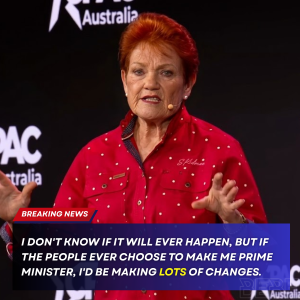
A fresh political storm is erupting in Australia after a fiery interview between One Nation leader Pauline Hanson and Sky News host Paul Murray reignited one of the country’s longest-running media wars.
What began as a discussion about media neutrality quickly exploded into an extraordinary attack on the national broadcaster, with Hanson accusing the ABC of spending decades trying to destroy her politically while demanding the organization’s $1.3 billion taxpayer funding be stripped away entirely.
But the controversy did not start with Hanson herself.
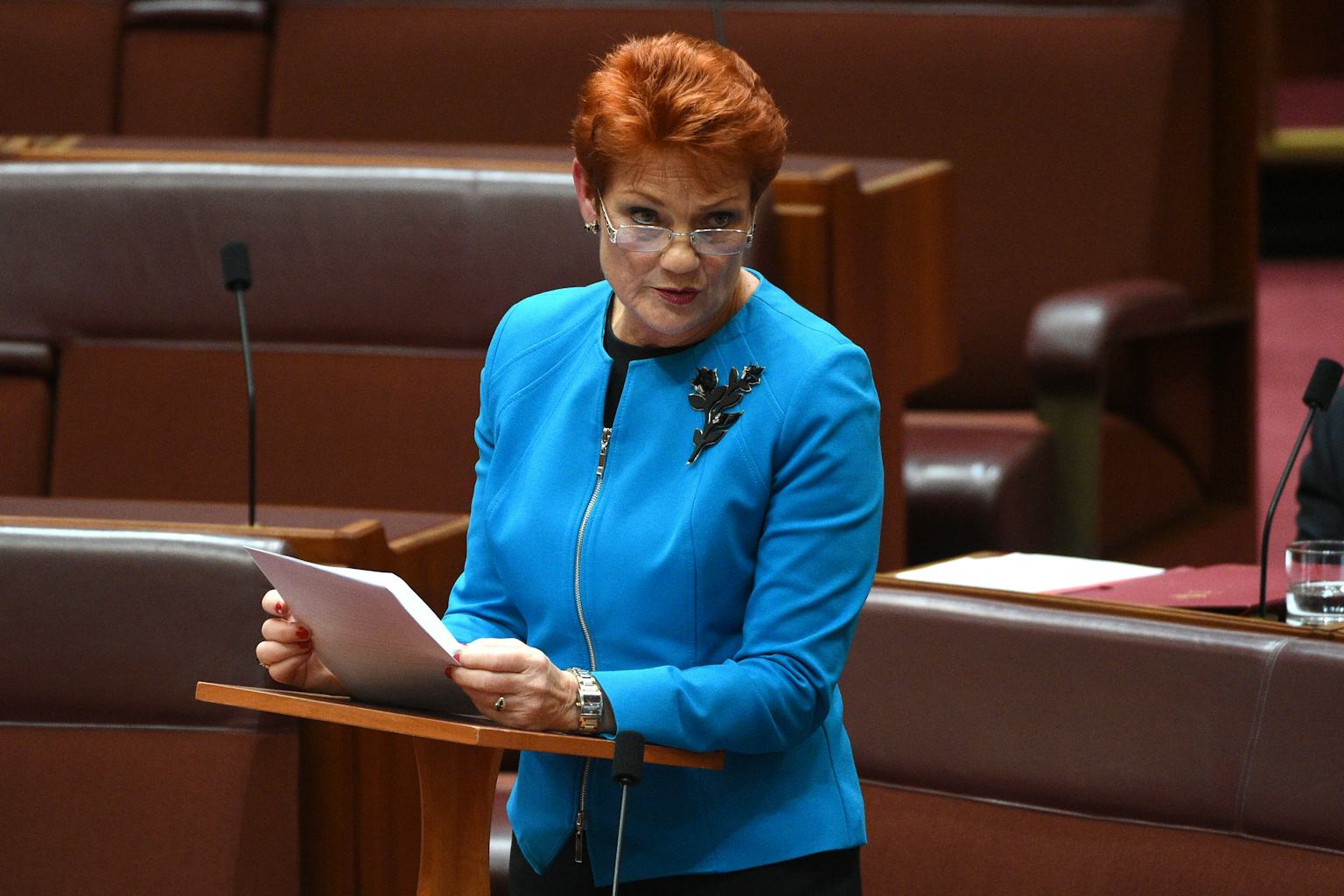
The latest clash erupted after ABC chairman Kim Williams appeared on the political podcast Pole Position, where he dismissed repeated accusations that the ABC holds an anti-conservative bias.
During the discussion, Williams argued that critics on the political right simply repeat the bias accusation so often that they begin believing it themselves.
“The ABC is not an especially left-wing or right-wing organization,” Williams insisted during the interview.
He went even further, claiming most ABC journalists were politically neutral to the point where viewers would not know how they voted.
For critics of the broadcaster, however, the comments immediately triggered backlash.

Conservative commentators quickly accused the ABC chair of ignoring years of public frustration over what they describe as ideological imbalance inside Australia’s taxpayer-funded media giant.
Then came the moment that truly ignited the debate.
While discussing One Nation’s ongoing dispute with the ABC over the naming of a party staffer before the South Australian election, Williams suggested the party was entering “a dark and dangerous place in democracy” by refusing access to certain ABC journalists.
But it was his next remark that sent political tensions soaring.
Williams claimed One Nation was “such a policy-free zone,” before insisting he was making the comment “objectively” and “not in any spirit of partisanship.”
For Hanson and her supporters, that single sentence appeared to confirm exactly what they had accused the ABC of doing for years.
Within hours, Hanson appeared on Sky News and launched into one of her strongest attacks yet against the broadcaster.
“They’ve been very biased towards me for many years,” Hanson said.
“Even back in 1996 when I was first elected, I banned them for eight months from coming to my meetings.”
The veteran senator accused the ABC of repeatedly setting her up during appearances on the network’s political programs, especially the long-running panel show Q&A.
“Every time I’ve been on Q&A with them, they set it up with negative questions against me,” she claimed.
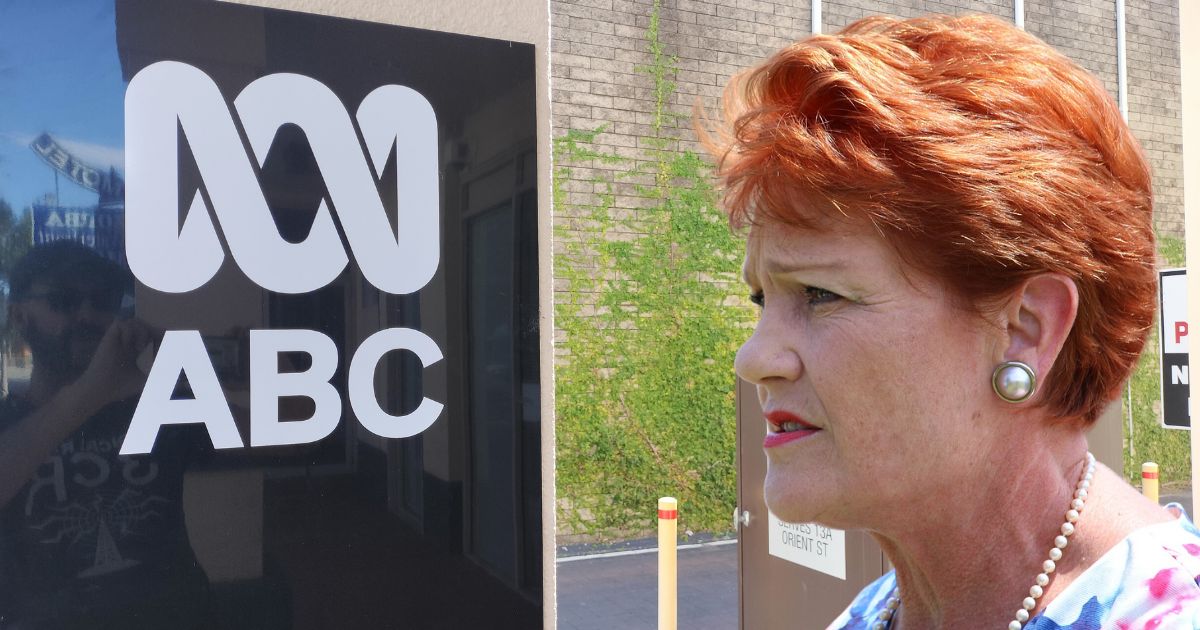
Hanson also recalled a tense confrontation with former Q&A host Tony Jones, saying she eventually became exhausted by what she viewed as constant attempts to undermine her publicly.
The One Nation leader argued that the ABC’s treatment of her party had crossed beyond journalism and into outright political hostility.
She specifically pointed to the broadcaster’s decision to identify a One Nation staff member during the South Australian election campaign — something she claimed would never have happened to staff connected to Labor or the Liberal Party.
According to Hanson, the issue became about more than media criticism.
She argued it became a matter of safety.
“One Nation is saying to the ABC, ‘You’re not welcome at the events because our staff have to be just as safe as the staff of the Greens, the Teals, Liberal, or Labor,’” Murray explained during the interview.
Hanson fully agreed.
She accused the broadcaster of refusing to retract reports she considered unfair, despite requests from the party.
“They’ve been asked to retract it. They wouldn’t. They left it up there,” Hanson said angrily.
Then came the line now dominating political headlines across Australia.
“As far as I’m concerned, I would pull their funding, the $1.3 billion,” Hanson declared.
“They can go to subscriptions and sell off their property around the whole country.”
While Hanson said she would still support limited funding for ABC radio services in rural and regional Australia, she made clear she believed much of the broadcaster no longer deserved taxpayer support.
“But these other wankers out there, as far as I’m concerned, they’re not worth the money that they’re getting paid,” she added.
The explosive language immediately triggered outrage online.
Critics accused Hanson of attacking press freedom and attempting to intimidate journalists who scrutinize her political movement.
Supporters, however, argued she was voicing frustrations many conservative Australians have held privately for years.
The ABC has long faced accusations from sections of the political right that it disproportionately favors progressive viewpoints while treating conservative politicians with greater hostility.
Former Liberal governments frequently clashed with the broadcaster over editorial decisions, climate reporting, Indigenous affairs coverage, and political interviews.
Yet the ABC has consistently rejected claims of institutional bias.
The organization argues its editorial processes are governed by strict impartiality standards and independent oversight structures.
For Hanson, though, the latest comments from Kim Williams appeared to erase any remaining trust.
“I’m not wasting my time with you,” she said during the interview, describing her attitude toward ABC journalists.
“You’ve kicked me in the guts enough.”
The political timing of the clash is also significant.
One Nation is currently experiencing renewed momentum in several opinion polls, with growing frustration among voters over migration, cost-of-living pressures, housing affordability, and energy policy.
During the interview, Hanson revealed that One Nation had already received more than 1,500 expressions of interest from people wanting to run as candidates at the next federal election.
In Victoria alone, she claimed over 1,100 people had already expressed interest in joining the party’s campaign efforts.
The numbers stunned many political observers.
For years, One Nation was often treated as a protest movement with limited organizational depth.
Now, Hanson believes the party is becoming something much larger.
“We’ve got people from barristers, doctors, surgeons… tradies… people from all different cultural backgrounds,” she said.
According to Hanson, Australians are increasingly looking for alternatives to the major parties after years of political disappointment.
“These people know there are real issues and problems out there,” she said.
“They want change and they’re screaming out for change.”
Sky News host Paul Murray went even further during the discussion, warning viewers not to underestimate Hanson’s growing influence ahead of future elections.
“You’re betting on the wrong horse,” Murray said to critics dismissing One Nation’s rise.
The broader conflict now highlights a much deeper issue inside Australian politics.
Public trust in traditional media has been steadily declining for years.
At the same time, alternative media platforms, podcasts, independent commentators, and social media personalities are gaining enormous audiences by positioning themselves as outsiders challenging establishment narratives.
For politicians like Hanson, battles with mainstream media can sometimes strengthen support rather than weaken it.
Many voters who distrust legacy institutions increasingly view criticism from organizations like the ABC as proof that outsider politicians are threatening the political establishment.
That dynamic may explain why the latest controversy has exploded so quickly online.
To supporters, Hanson is standing up against what they see as an untouchable taxpayer-funded media empire.
To opponents, she is escalating attacks on journalism itself while fueling distrust in democratic institutions.
Either way, the confrontation has once again placed the ABC directly at the center of Australia’s growing political and cultural divide.
And after Kim Williams insisted there was “no bias” inside the broadcaster, many Australians are now debating whether his own comments may have accidentally reignited the very accusations he was trying to dismiss.