Barnaby Joyce, the former Deputy Prime Minister and a prominent voice in Australian conservative politics, has reignited a long-standing and highly contentious debate by calling for the immediate lifting of restrictions on oil exploration and extraction in the Great Australian Bight. His statement comes in the wake of the recent Viva Energy refinery fire, an incident that has exposed vulnerabilities in Australia’s fuel supply chain and raised urgent questions about the nation’s energy security. Joyce argues that Australia’s heavy dependence on overseas fuel imports leaves the country dangerously exposed to global supply shocks, price volatility, and potential shortages during times of crisis.
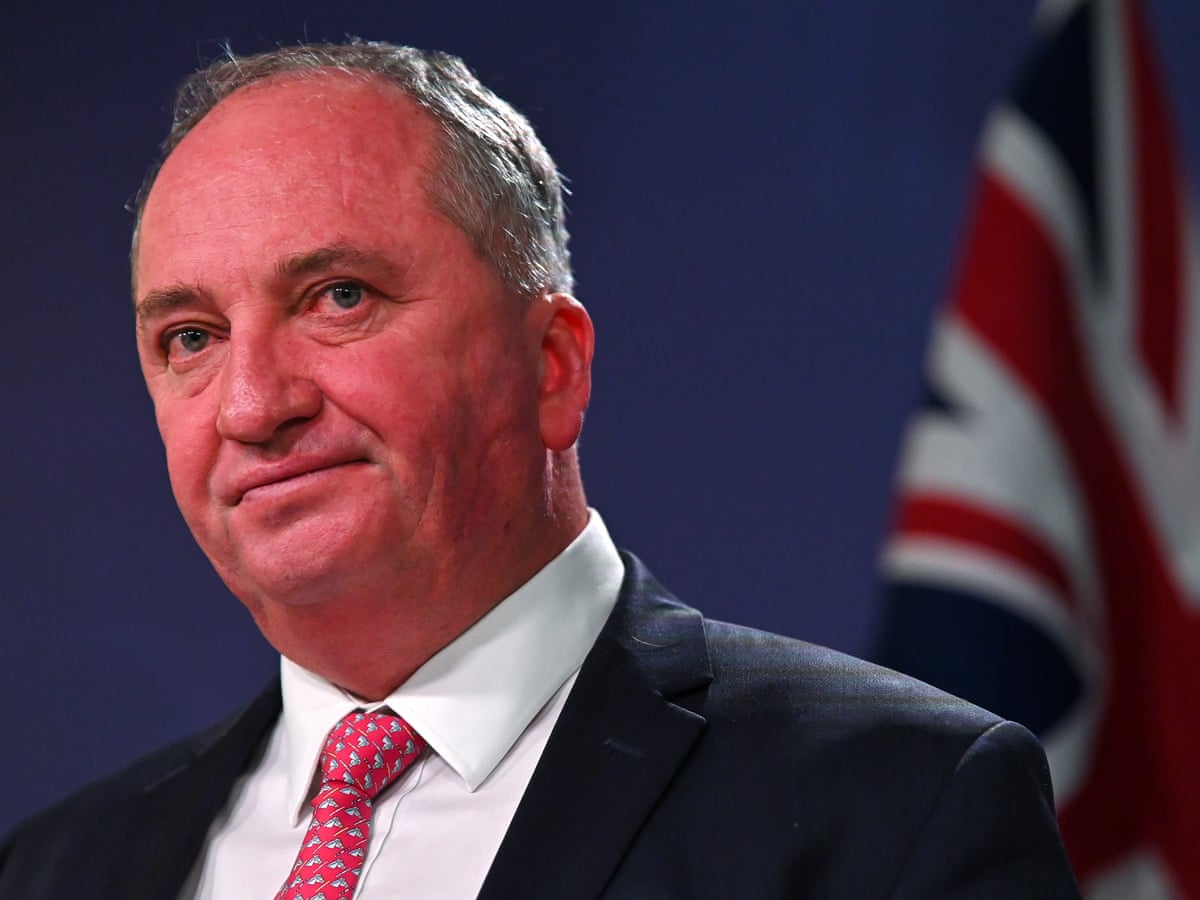
The call has sparked intense discussion across the political spectrum, with supporters viewing it as a pragmatic step toward greater self-reliance and critics warning of serious environmental risks to one of the world’s most pristine marine environments. The Great Australian Bight, a vast and ecologically sensitive region off the southern coast of Australia, has been the subject of heated debate for years. Environmental groups and some state governments have long opposed drilling due to concerns about potential oil spills, impacts on marine life, and the broader effects of fossil fuel development on climate goals.
Joyce’s intervention is significant because it comes from a senior National Party figure with deep roots in regional Australia. He has consistently advocated for the development of Australia’s natural resources as a means to support jobs, regional economies, and national prosperity. In his latest comments, Joyce emphasised that energy security is not just an economic issue but a matter of national resilience. He pointed to recent global events — including supply disruptions caused by geopolitical tensions and natural disasters — as evidence that relying too heavily on imported fuel is a risky strategy for a country as geographically isolated as Australia.
The Viva Energy refinery fire served as a stark reminder of how fragile Australia’s domestic refining capacity has become. With only a handful of operational refineries left in the country, any major disruption can lead to immediate supply concerns and price spikes. Joyce used this incident to argue that Australia must diversify and strengthen its domestic energy production capabilities, including exploring untapped reserves in the Great Australian Bight. He believes that responsible development, with strong environmental safeguards, is possible and necessary.

The proposal has divided opinion sharply. Supporters, particularly in regional and resource-dependent communities, argue that developing the Bight could create thousands of jobs, generate substantial government revenue through royalties and taxes, and reduce Australia’s vulnerability to international oil market fluctuations. They point to successful offshore operations in other parts of the world as evidence that modern technology can minimise environmental risks.
Opponents, including environmental organisations, scientists, and some state politicians, warn that drilling in the Bight poses unacceptable risks to marine ecosystems, fisheries, and tourism industries that rely on the region’s pristine waters. They argue that the potential for oil spills in such a remote and rough ocean environment could have catastrophic consequences, and that Australia should instead focus on accelerating its transition to renewable energy sources.
The debate also touches on broader questions about Australia’s energy future. As the country attempts to balance its commitments to reducing carbon emissions with the need for reliable and affordable energy, the role of oil and gas remains contentious. Joyce and his supporters believe that domestic production can coexist with a transition to cleaner energy, while critics argue that continued investment in fossil fuels delays the necessary shift and risks locking Australia into outdated infrastructure.
This latest controversy comes at a time when energy policy is a central battleground in Australian politics. The Albanese government has faced criticism from both sides — from environmentalists who believe the transition is too slow, and from industry groups and regional communities who feel traditional energy sources are being unfairly targeted. The Coalition, under Peter Dutton’s leadership, has positioned itself as more supportive of gas and oil development as a bridge to a lower-carbon future.
Joyce’s call for lifting the ban in the Bight aligns with this broader Coalition stance but goes further by directly challenging existing restrictions. His comments have been welcomed by some in the resources sector, who see the Bight as a potential new frontier for Australian energy production. However, they have also drawn strong condemnation from environmental groups and progressive politicians who view the proposal as reckless and environmentally irresponsible.
The economic arguments in favour of development are compelling for many. Australia is a net importer of refined petroleum products despite its significant oil and gas reserves. Developing the Bight could reduce this dependence, create high-paying jobs in regional areas, and generate revenue that could be used to fund essential services and infrastructure. Proponents argue that with proper regulation and modern technology, the environmental risks can be managed effectively.

At the same time, the environmental concerns are substantial. The Great Australian Bight is home to unique marine species, including southern right whales and various seabirds. Any major oil spill in the region could have devastating and long-lasting impacts on these ecosystems. Critics also point to the global climate crisis, arguing that expanding fossil fuel production contradicts Australia’s international commitments and long-term sustainability goals.
The debate is further complicated by questions of federal versus state authority. The Great Australian Bight falls under Commonwealth waters, meaning the federal government has primary responsibility for approving exploration and development. However, state governments, particularly South Australia, have expressed strong views on the issue, with some opposing drilling due to potential impacts on coastal communities and tourism.
As the controversy continues, political analysts are watching closely to see how it affects the broader energy debate ahead of the next federal election. Energy security, affordability, and environmental protection are likely to be key issues, and Joyce’s intervention has ensured that the potential of the Great Australian Bight remains firmly on the agenda.
For Joyce, this is consistent with his long-standing advocacy for regional Australia and resource development. He has often criticised what he sees as an anti-development bias in Canberra, arguing that Australia’s vast natural resources should be used to benefit all Australians, particularly those in rural and regional areas.
The government’s response has been cautious. While acknowledging the need for energy security, ministers have emphasised the importance of environmental protection and the transition to renewable energy. The debate is likely to intensify in the coming months as both sides seek to define their positions more clearly.
Ultimately, the question of whether to allow drilling in the Great Australian Bight goes to the heart of Australia’s identity as a resource-rich nation. It forces a choice between short-term economic gains and long-term environmental sustainability, between energy independence and climate commitments.
As Australians grapple with these complex issues, the conversation sparked by Barnaby Joyce’s call will continue to shape national policy and political discourse for years to come. The stakes are high, and the decisions made will have lasting consequences for the country’s economic security, environmental health, and social cohesion.
The coming debate will test Australia’s ability to balance competing priorities in an increasingly challenging world. Whether the Great Australian Bight becomes a source of new energy security or remains protected as an environmental treasure is a question that will define part of Australia’s future.






