In a recent televised exchange, Reform UK MP Rupert Lowe engaged in a heated debate with a journalist, during which he aggressively challenged the interviewer on immigration and National Health Service (NHS) policy.
The confrontation began when Lowe criticized the use of translation services within the NHS, asserting that migrants living in England should speak English.
When the journalist argued that translation services are necessary for patient care, Lowe dismissed the point, stating he had “no interest in that.”
The discussion escalated as Lowe accused the journalist of being part of a “liberal elite,” specifically referencing her place of residence.
“You don’t have illegal migrants living next to you, Emily, because you live in a part of the country that probably doesn’t have them,” Lowe said.
He further claimed that if she did have such neighbors, she would want them removed, framing his comments as a direct challenge to what he described as a virtue-signaling political class.
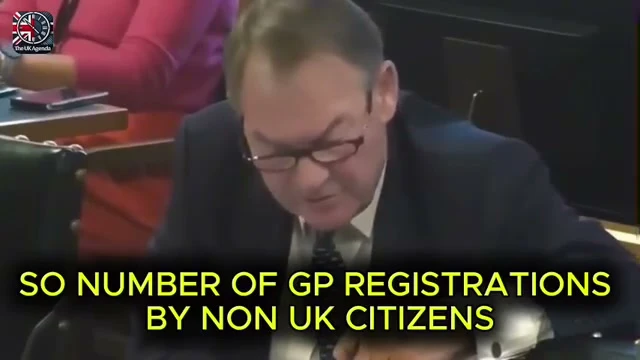
Lowe then pivoted to a critique of data transparency within the NHS, recounting a series of parliamentary questions he had submitted.
He stated that the government had provided “no data” on several key metrics, including the number of GP registrations by non-UK citizens, the number of illegal migrants accessing healthcare, the cost of treating those without legal status, and the nationality and immigration status of NHS users. He also noted a lack of data on translation costs and standards of English among overseas recruits.

Using this lack of information as a foundation, Lowe argued that the system is fundamentally broken because it fails to measure its own challenges. He linked this to broader immigration policy, asserting that the UK has allowed too much legal and illegal migration.
He proposed that if the legal system prevents the detention and deportation of illegal migrants, the government should establish a “tented camp on an island,” citing Australia’s use of Nauru Island as a precedent. “Do Australians have a problem with illegal immigration? No, it used to, doesn’t now,” Lowe stated.
The journalist attempted to counter by referencing the Michael Marmot report, which documented how 14 years of austerity had damaged public health, particularly in deprived regions. Lowe acknowledged the report but maintained that the core issue was the state’s failure to prioritize “honest, decent, taxpaying British citizens” over those who have “contributed nothing.”
He argued that many migrants are not genuine asylum seekers but economic migrants, and he criticized international treaties and the UK’s former membership in the European Union as factors that have eroded border control.

As the exchange grew more confrontational, Lowe repeatedly pressed the journalist to answer whether she believed the UK had experienced too much immigration.
When she deflected, saying the question was “not about me,” Lowe accused her of not answering while demanding he do so. The interview concluded with an awkward exchange where the journalist suggested Lowe come on her show for a proper interview, and Lowe invited her onto his podcast instead, ending with laughter.

Following the broadcast, the mainstream media reportedly moved on from the exchange within 24 hours. Lowe, however, framed the confrontation as a victory for his political movement, claiming that he is giving an “authentic honest voice” to people who want real change in Britain.
He referenced strong polling in Makerfield and a significant result in Great Yarmouth as evidence of growing support for his agenda, urging supporters not to be distracted by calls to split the vote.