BBC Forced to Apologise to Nigel Farage After Newsnight Presenter Misquotes Him
LONDON — The BBC issued an on-air apology to Nigel Farage, the leader of Reform UK, after a Newsnight presenter misquoted him during a broadcast, incorrectly attributing to him the phrase “white cold rage” in reference to the murder of Henry Nowak.
The error has reignited accusations of bias and sloppy journalism at the publicly funded broadcaster.
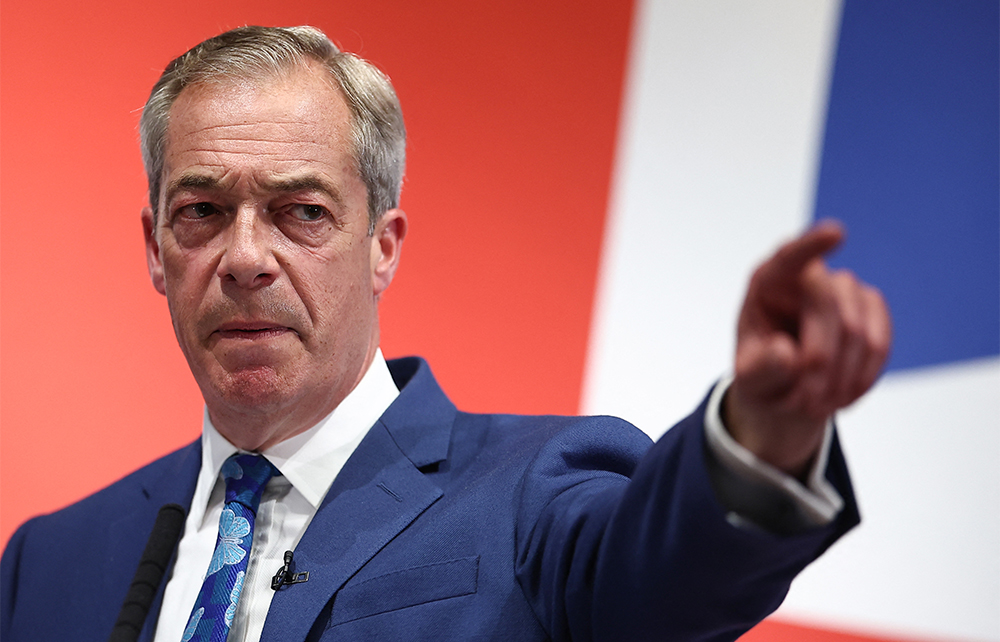
The Misquotation
Matt Chorley, presenting on Newsnight, claimed Mr. Farage had used the words “white cold rage” while commenting on the killing. In reality, Mr. Farage had said “pure cold rage” in a social media video responding to the incident.
The misquote introduced a racial dimension that was not present in the original statement.
Reform UK’s Outrage
Zia Yusuf, Reform UK’s home affairs spokesman, strongly condemned the broadcast. He accused Mr. Chorley of being “prepared to defame Nigel and lie to the country,” describing the incident as deliberate rather than a simple slip.
The BBC presenter later admitted it was a “mistake” and a case of “misremembering.”
Context of the Statement
Mr. Farage had expressed strong condemnation of the murder of Henry Nowak, calling for tougher law-and-order measures. His actual words reflected outrage at the crime itself, without any racial reference.
The alteration of the quote quickly spread on social media, prompting widespread criticism of the BBC.
BBC’s Apology
The corporation acknowledged the error during the program and issued a formal apology to Mr. Farage. However, many viewers and commentators argued that such mistakes are symptomatic of deeper editorial problems at the broadcaster.
Pattern of Complaints
This is not the first time the BBC has faced accusations of bias in its coverage of Mr. Farage and Reform UK. The party has repeatedly claimed unfair treatment, selective editing and hostile framing.
Critics say the latest incident fits a long-standing pattern that has eroded public trust in the BBC.
Public Reaction
The apology triggered intense debate online. Supporters of Mr. Farage viewed the misquote as evidence of systemic anti-Reform bias, while others saw it as an honest journalistic error amplified by political tensions.
The story dominated British social media for several hours after the broadcast.
Broader Implications for the BBC
The episode comes at a difficult time for the BBC, which is already under pressure over its funding model, impartiality and competition from digital platforms. Repeated controversies have fueled calls for reform or even defunding.
Farage’s Response
Mr. Farage highlighted the incident on social media, framing it as another example of establishment media hostility toward his party. He called for greater accountability from publicly funded broadcasters.
Henry Nowak Murder
The murder of Henry Nowak has become a flashpoint in British public debate, raising questions about crime, integration and policing. Mr. Farage’s original comments focused on these issues.
Media Responsibility
Journalists and media organisations have a duty to quote public figures accurately, particularly on sensitive topics. Misquotation, even if unintentional, can distort public discourse and fuel distrust.
Political Ramifications
The controversy has energised Reform UK supporters and provided ammunition for those criticising the BBC’s charter and governance. Conservative and Reform politicians have used the moment to highlight perceived left-leaning bias in British public broadcasting.
BBC’s Track Record
The corporation has a history of high-profile editorial missteps involving prominent political figures across the spectrum. Previous incidents have led to internal reviews and public apologies.
Call for Reform
Some commentators argue that the BBC’s royal charter should be reviewed to strengthen impartiality requirements. Others believe market competition from independent outlets will naturally drive improvements.
Public Trust Erosion
Polls consistently show that a significant portion of the British public believes the BBC has a left-leaning bias, particularly on cultural, immigration and political issues.
Conclusion
The misquotation of Nigel Farage and the subsequent apology underscore ongoing challenges for the BBC in maintaining accuracy and public confidence. In an era of fragmented media and heightened political sensitivity, even small errors can have outsized consequences.
Whether this incident prompts meaningful reform or is dismissed as an isolated mistake remains to be seen. What is clear is that trust in the BBC continues to be tested, with significant implications for British public discourse.






