Jon Stewart Sparks Debate After Mocking Iran’s Supreme Leader While Questioning Donald Trump’s Iran Strategy

WASHINGTON — A sharp monologue by comedian and political commentator Jon Stewart has ignited a new political debate in the United States after he mocked Iran’s Supreme Leader Ali Khamenei while also questioning the strategy behind a U.S. military operation associated with former President Donald Trump.
During a widely viewed segment of The Daily Show, Stewart reacted to rising tensions between the United States and Iran following reports that American forces had targeted senior figures within Iran’s leadership structure. The moment quickly spread across social media, drawing millions of views and triggering fierce reactions from political commentators across the ideological spectrum.
Stewart’s remarks combined satire with geopolitical criticism — a style that has long defined his role in American media. But this time the reaction was unusually intense, exposing deep divisions over how Americans interpret events in Iran and how far political satire should go when discussing international conflicts.
Satire, Power and Political Reaction
In the segment, Stewart delivered a controversial joke referencing martyrdom narratives often associated with extremist rhetoric, a comment aimed at Iran’s ruling establishment and particularly its long-time Supreme Leader, Ali Khamenei. Critics online quickly accused the comedian of crossing cultural and religious boundaries, while supporters argued that the target of the joke was clearly the Iranian regime rather than Islam.
For decades, Iran’s political leadership has faced criticism from international organizations over restrictions on political freedoms, suppression of protests and limitations on civil liberties. Demonstrations inside Iran — especially those led by young activists and women — have repeatedly drawn global attention.
Supporters of Stewart say his monologue was intended to highlight the contradiction of defending powerful authoritarian figures while ignoring the struggles of ordinary citizens living under restrictive political systems.
Trump’s Iran Strategy Back in the Spotlight
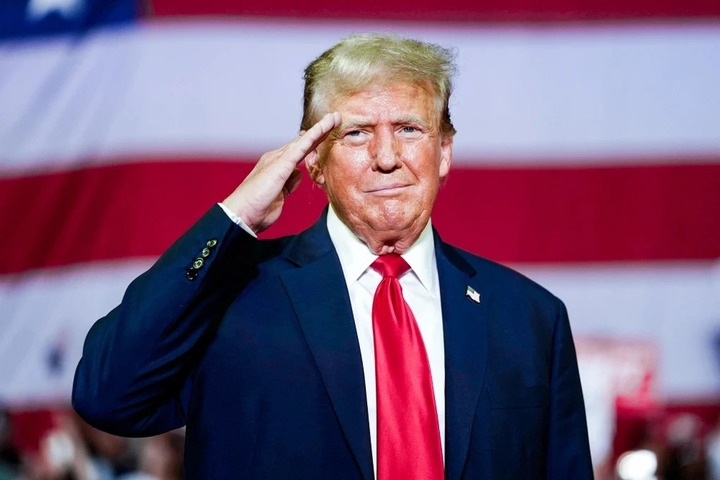
The controversy also revived debate about the broader U.S. strategy toward Iran — particularly decisions made during the presidency of Donald Trump.
During his time in office, Trump adopted a hard-line approach toward Tehran that included withdrawing from the 2015 nuclear agreement, imposing sweeping economic sanctions and authorizing aggressive military actions against Iranian targets. Supporters argued the strategy was necessary to contain Iran’s regional influence, while critics warned it could destabilize the Middle East.
Stewart’s monologue questioned whether military pressure alone could reshape Iran’s political system or lead to unintended consequences. His commentary echoed a long-standing debate among foreign-policy experts over whether external pressure strengthens or weakens authoritarian regimes.
The Gap Between Iran’s Government and Its People
Another theme raised in the discussion was the difference between Iran’s ruling establishment and its population.
Analysts often emphasize that Iranian society is far more diverse and dynamic than the image projected by the government. With a history stretching back thousands of years, the country has produced influential contributions in science, medicine, literature and art.
Many observers argue that ordinary Iranians are frequently caught between domestic political pressures and international geopolitical tensions. Over the past two decades, waves of protests have reflected frustration over economic conditions, political freedoms and social restrictions.
Critics of Western policy say that international strategies toward Iran have historically focused heavily on nuclear negotiations and regional security while paying less attention to the everyday aspirations of the Iranian people.
Could Pressure Lead to Political Change?
The discussion surrounding Stewart’s remarks also revived a long-standing question in foreign-policy circles: whether geopolitical pressure can accelerate political change inside entrenched regimes.
Some observers point to historical precedents such as the late stages of the Cold War, when rapid political shifts in Eastern Europe transformed the global balance of power almost overnight. Those events demonstrated that political systems once seen as permanent can sometimes collapse unexpectedly.
However, many experts caution that predicting similar outcomes in Iran remains highly uncertain. Political transitions are often unpredictable and can carry risks ranging from regional instability to humanitarian crises.
A Comedian at the Center of a Global Conversation
Although Stewart is best known as a comedian, his influence in political discourse is difficult to ignore. Over the years he has become one of the most recognizable voices in American commentary, capable of shaping public debate through satire and sharp criticism.
His willingness to challenge leaders across the political spectrum — including Donald Trump as well as figures on the American left — has helped him maintain credibility with a wide audience. At the same time, it also ensures that his remarks frequently spark controversy.

Whether the latest debate fades quickly or grows into a deeper conversation about Iran and U.S. foreign policy remains uncertain. But the episode demonstrates how a few minutes of satire can ignite a global discussion involving some of the most powerful figures in international politics — from Donald Trump in Washington to Ali Khamenei in Tehran.






