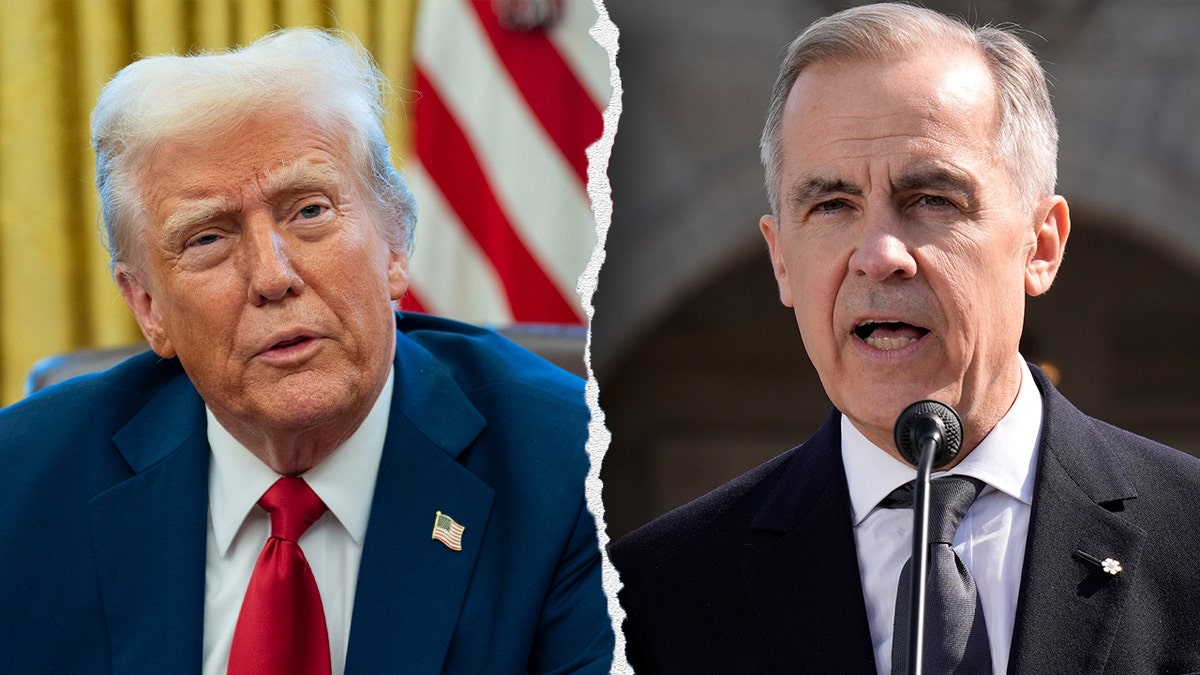
Canadian Prime Minister Mark Carney has announced that Canada will invoke the national-security exception under the General Agreement on Tariffs and Trade in response to actions taken by the administration of U.S. President Donald Trump.
The clause — Article XXI — allows a country to suspend certain trade obligations if it determines that another country’s actions threaten its essential security interests.
Canada has also notified the World Trade Organization, the body that oversees global trade rules.
What Article XXI Actually Allows
Article XXI is often called the “security exception.”
It allows governments to bypass normal trade commitments in situations involving:
-
war or armed conflict
-
major geopolitical crises
-
protection of military or strategic industries
The wording of the clause is intentionally broad, which has led many experts to describe it as “self-judging.”
That means the country invoking it largely decides for itself whether the threat qualifies.
Because of this ambiguity, countries have historically used the clause very cautiously.
Why This Would Be a Big Deal
If Canada invoked Article XXI against the United States, it would be remarkable because:
-
Both countries are close allies
They are members of the same security alliances and have one of the world’s largest trading relationships. -
Their economies are deeply integrated
Trade between Canada and United States exceeds hundreds of billions of dollars annually. -
Supply chains cross the border constantly
Industries like automotive manufacturing rely on components that move back and forth multiple times.
Invoking a national-security clause in that relationship would signal a major breakdown of trust.
What Canada Could Do After Invoking the Clause
Using Article XXI could allow Canada to take actions that would normally violate WTO rules, such as:
-
imposing higher tariffs on U.S. imports
-
restricting certain American companies
-
limiting exports of strategic resources
-
tightening investment reviews
These measures would otherwise risk disputes under global trade law.
Why Governments Are Careful With This Clause

Trade scholars often warn that widespread use of Article XXI could weaken the global trading system.
If many countries start declaring economic disputes as “national security issues,” the rules that normally prevent trade wars could lose their effectiveness.
That is why most governments historically try to resolve conflicts through negotiation or dispute panels within the World Trade Organization.






