Mark Meadows’ Reported Testimony Could Reshape the Legal Battle Over Trump’s 2020 Election Claims
WASHINGTON — A new development in the federal inquiry into efforts to challenge the 2020 presidential election could intensify scrutiny of former President Donald Trump. According to reports citing sources familiar with the matter, former White House Chief of Staff Mark Meadows has provided testimony to federal investigators examining the post-election campaign to dispute the results.
Meadows, one of Trump’s closest advisers during the final months of his presidency, is said to have spoken with investigators and appeared before a federal grand jury as part of the inquiry led by Special Counsel Jack Smith. The reported testimony centers on what Trump knew about allegations of widespread voter fraud and whether those claims were supported by evidence at the time they were being promoted publicly.

If confirmed, Meadows’s account could become one of the most significant insider perspectives in the ongoing legal review of the events that unfolded between Election Day in November 2020 and January 6, 2021.
Sources cited in media reports say Meadows told investigators that in the weeks after the election he repeatedly informed Trump that many of the fraud allegations being circulated had little factual support. The reports also indicate that Meadows recalled advising the president that claims about widespread irregularities had not been backed by verified evidence.
Those private conversations could play an important role in determining Trump’s state of mind during the period when his campaign and allies were pursuing legal challenges and public messaging about the election outcome.
Throughout late 2020, Trump publicly argued that the election had been compromised by large-scale irregularities. Courts across the country reviewed dozens of lawsuits connected to those claims but ultimately rejected them due to insufficient evidence or procedural issues.
According to accounts shared with investigators, Meadows described discussions in which Trump was informed about the status of those efforts. By mid-December 2020, Meadows reportedly relayed that attorney Rudy Giuliani, who had been leading many of the campaign’s legal arguments about election issues, had not produced verifiable evidence supporting the allegations.
At the same time, Meadows is said to have conveyed assessments from Attorney General William Barr indicating that Justice Department reviews of fraud claims had not uncovered evidence that would change the election outcome.
Those internal briefings could be particularly significant for investigators examining how the former president evaluated information from advisers while continuing to question the election results publicly.
Another moment described in the reported testimony involves the Supreme Court’s decision in December 2020 to decline a major lawsuit seeking to challenge election results in several states. According to sources, Meadows recalled Trump reacting privately to the ruling with a comment suggesting the legal pathway had effectively reached its end.
The remark, if accurately remembered, could illustrate the difference between private discussions inside the White House and the public political messaging that continued afterward.
Even after the courts had ruled on numerous challenges, Trump and several allies continued exploring alternative strategies aimed at contesting the certification of the election results. Those efforts included discussions about alternate electors and outreach to state officials.
As chief of staff, Meadows was closely involved in many of the meetings and communications that occurred during that period. His position placed him at the center of conversations involving campaign lawyers, White House officials, and state leaders.
Because of that role, his testimony may offer investigators a broad view of the internal deliberations that shaped the post-election strategy.
Legal experts often note that insider accounts from senior advisers can provide important context about how decisions were made and what information leaders were receiving at key moments. In complex investigations, such witnesses can connect separate events into a clearer timeline.
Reports also indicate that Meadows turned over text messages and emails to investigators, which could help document discussions among officials and advisers during the weeks after the election.
Trump has repeatedly denied wrongdoing and continues to argue that the 2020 election raised serious questions. Numerous election officials, courts, and independent reviews, however, have found no evidence of widespread fraud capable of changing the outcome.
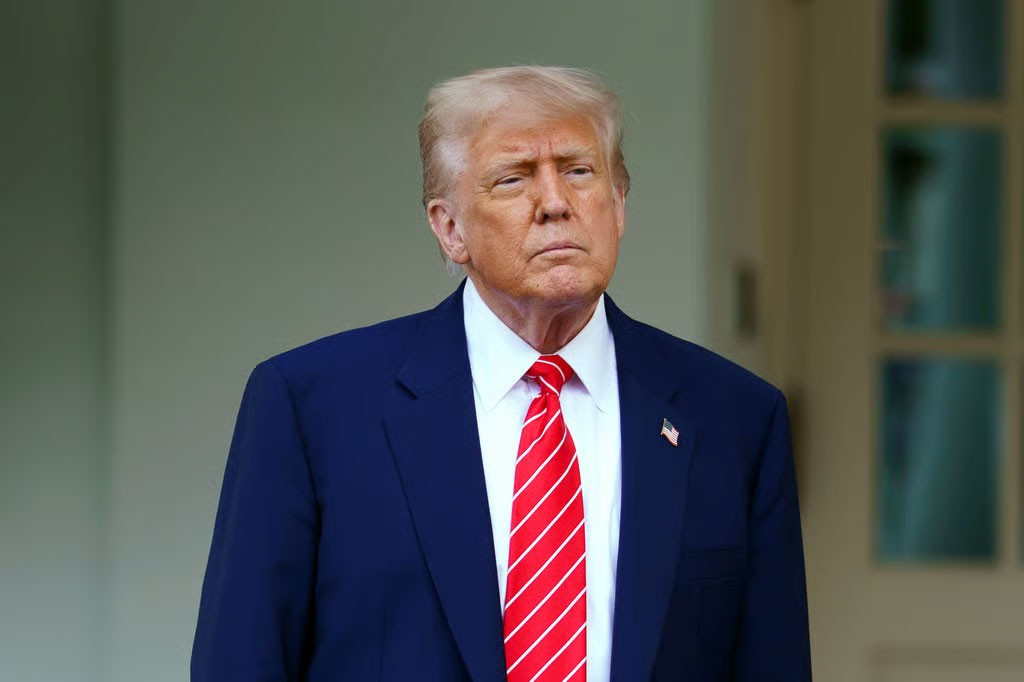
Meadows’s attorney has disputed aspects of the reporting about his cooperation with investigators, saying some accounts have been inaccurate. The Justice Department has not publicly commented on the details of the grand jury proceedings.
Still, the possibility that Meadows has provided extensive testimony has drawn significant attention because of his proximity to the events under examination.
From election night through the weeks of legal challenges and political debate that followed, Meadows was present for many of the key moments in the administration’s response to the election results. That vantage point could make his account particularly relevant as investigators continue assembling a detailed picture of how decisions were made during that period.
As the legal review moves forward, the testimony of senior officials like Meadows may help clarify what information was available to leaders inside the White House — and how that information shaped the actions that followed in one of the most closely examined political chapters in modern American history.






