British Comedian Jim Davidson Unleashes Scathing Attack on Sadiq Khan and Keir Starmer, Igniting Fierce Online Debate
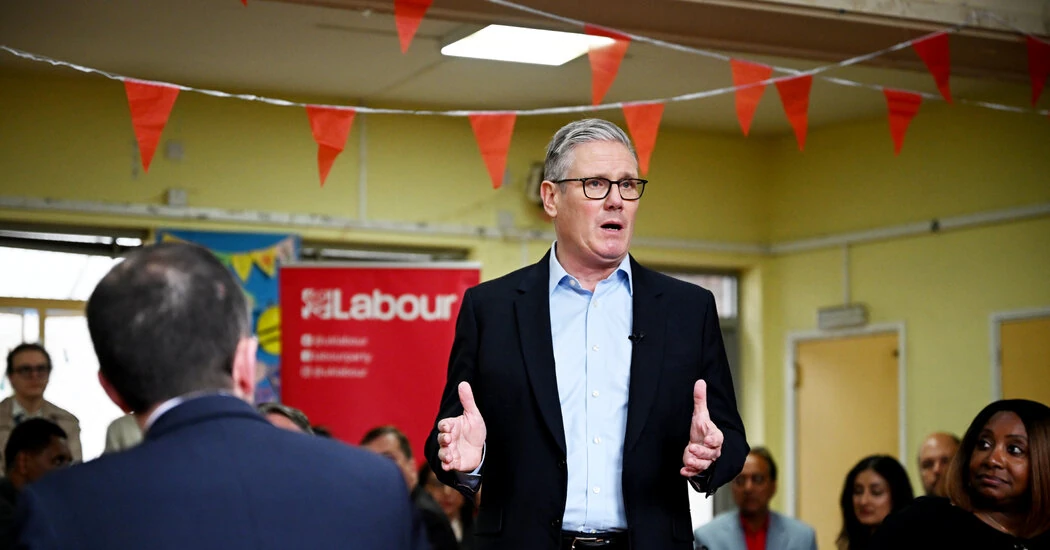
LONDON — Veteran British comedian Jim Davidson, known for his unfiltered style and long history of political commentary, has once again courted controversy with a blistering on-air rant targeting London Mayor Sadiq Khan and Prime Minister Keir Starmer.
In a segment that quickly went viral, Davidson accused both Labour politicians of betraying the British public through what he described as incompetence, arrogance and a failure to address pressing national concerns.
The outburst occurred during an episode of his streaming show “Jim Davidson This Week” on the platform Ustreme, where Davidson frequently offers candid takes on current events.
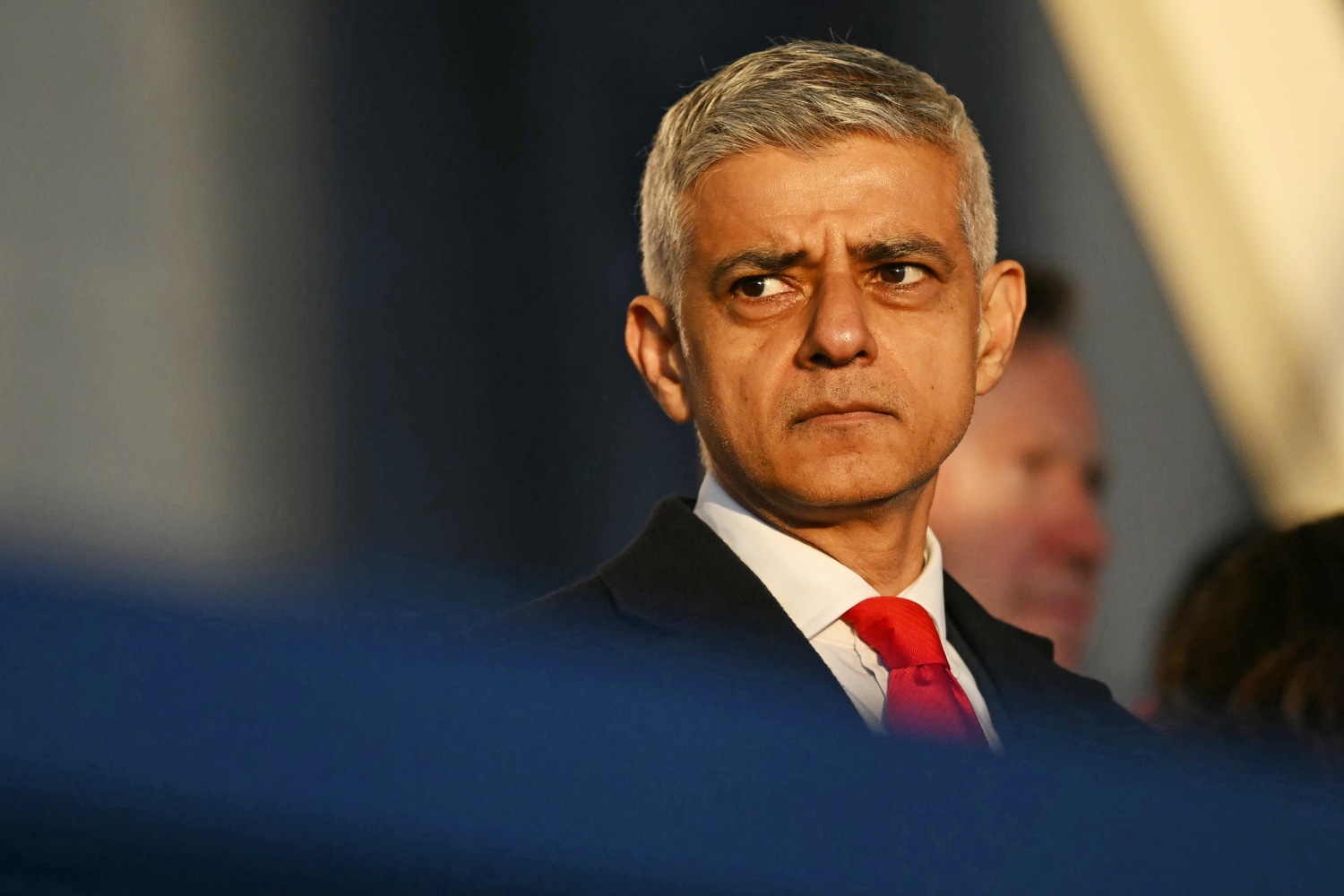
Drawing from clips circulating widely on social media and YouTube, Davidson labeled Khan a “horrible, arrogant, dangerous man” whose policies have “fucked up London beyond all recognition.”
He repeatedly emphasized the word “dangerous,” suggesting the mayor’s leadership has exacerbated crime, strained public services and alienated working-class residents.
Davidson tied his criticism to broader grievances, including congestion charges, perceived favoritism in policing and what he called a disregard for traditional Londoners.
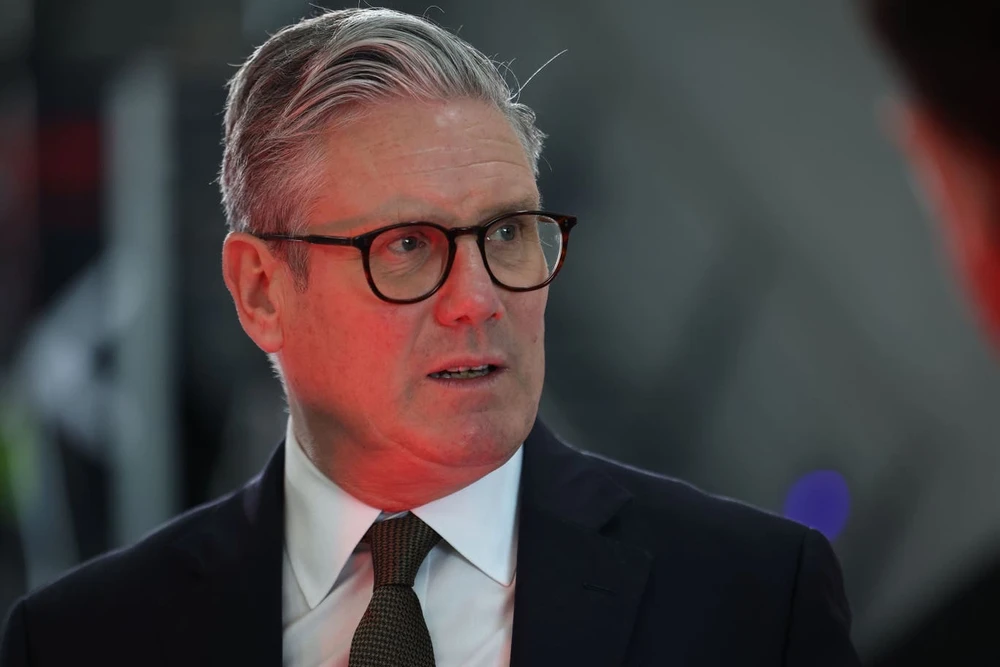
Turning to Starmer, Davidson mocked the prime minister as ineffective and out of touch, portraying him as a figure who has allowed the country to become “a joke” on the international stage.
He accused Starmer of prioritizing political correctness over practical governance, failing to control rising disorder and aligning with interests that Davidson claimed undermine ordinary citizens. In one pointed segment, Davidson suggested both men represent a detached elite more concerned with image than results, urging viewers to demand accountability.
The remarks, delivered in Davidson’s characteristic blunt delivery, spread rapidly across platforms like X, Instagram and TikTok.
Supporters praised the comedian for voicing frustrations shared by many amid ongoing debates over crime rates, immigration enforcement and economic pressures.
“Finally someone says it straight,” one viewer commented under a widely shared clip. Others hailed it as “long-overdue honesty” from a figure unafraid to challenge establishment figures.
Critics, however, condemned the language as inflammatory and divisive. Advocacy groups and Labour supporters argued that Davidson’s rhetoric veered into personal attacks, recycling longstanding tropes about Khan’s background and leadership.
Some pointed to the comedian’s history of provocative statements — including past vows to avoid London under Khan’s tenure and defenses of controversial views — as evidence of bias rather than reasoned critique.
Media watchdogs noted that while free speech allows such commentary, the tone risked escalating polarization at a time when public discourse already feels strained.
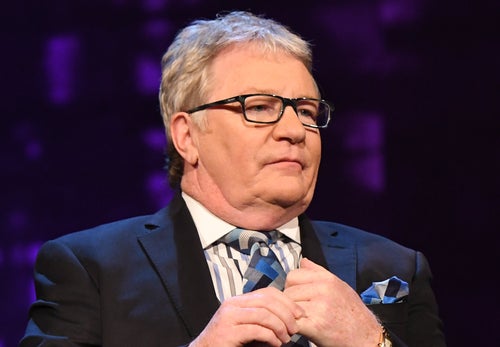
Davidson has a track record of clashing with political figures. He previously hit back at Khan over comments perceived as dismissive of white working-class men, and has used his platform to critique Labour policies on energy costs, crime and cultural issues.
The latest episode fits this pattern, amplified by the current political climate under Starmer’s government, which faces scrutiny over domestic challenges and international relations.
Neither Khan’s office nor Downing Street issued direct responses to the specific remarks, though Labour allies have historically dismissed Davidson’s interventions as entertainment rather than substantive analysis.
A spokesperson for the mayor’s office reiterated commitments to reducing crime and improving transport, without engaging the comedian’s personal characterizations. Starmer’s team has similarly focused on policy delivery amid broader midterm pressures.
The incident underscores the role of celebrity commentators in Britain’s polarized media landscape. Figures like Davidson, with large followings on alternative platforms, often bypass traditional outlets to reach audiences skeptical of mainstream narratives.
The viral spread — with clips garnering hundreds of thousands of views within hours — highlights how quickly such moments can dominate online conversation, dividing opinion along familiar ideological lines.
For Davidson, the rant reinforces his brand as an outspoken outsider. Whether it translates into lasting political impact remains unclear; past controversies have boosted his visibility without altering policy debates. Yet in an era when public trust in institutions remains low, unscripted tirades from familiar voices continue to resonate, even as they provoke backlash.
As clips continue to circulate and reactions pour in, the episode serves as a reminder of the enduring tension between entertainment, free expression and political accountability in contemporary Britain.






