Palace Shockwave: How One Royal Reception Sparked a Crisis Around Queen Camilla and Prince William’s Godmother
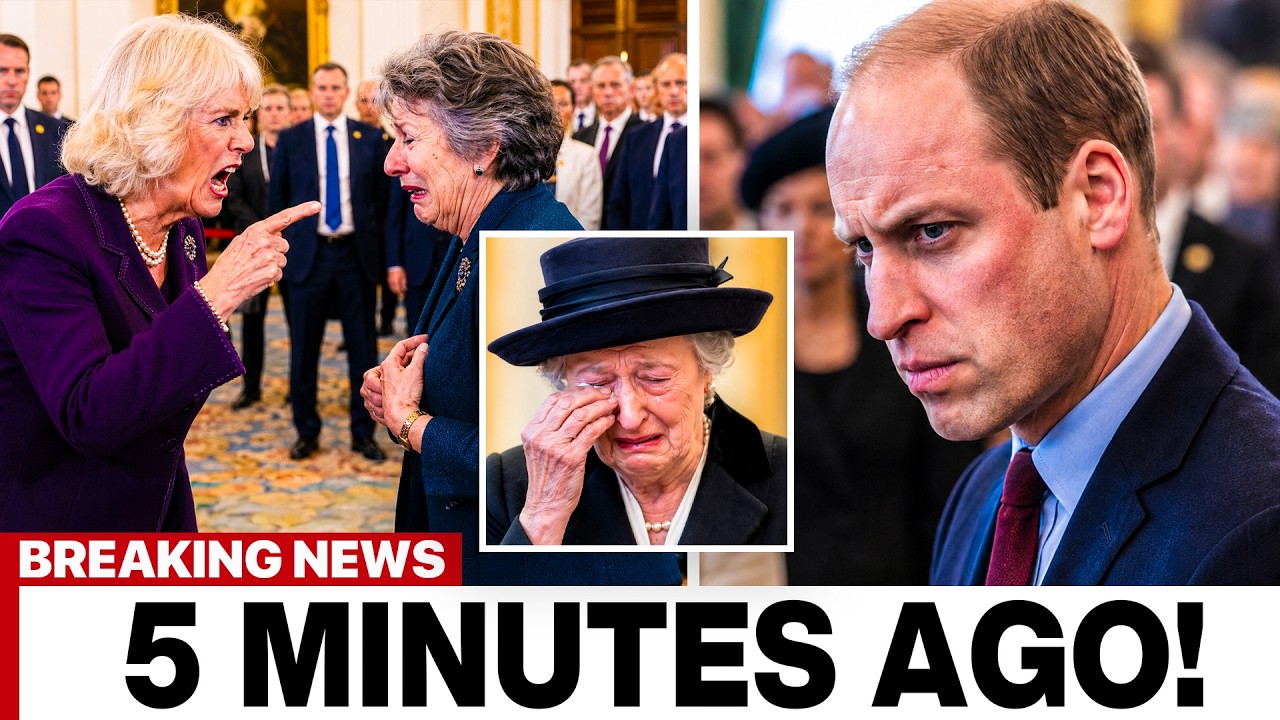
What was intended to be an elegant royal gathering hosted by Queen Camilla quickly became one of the most controversial palace moments in recent years, pulling some of the monarchy’s most trusted figures into an international storm.
At the center of the controversy was Lady Susan Hussey, a woman whose name has long been associated with loyalty, discretion, and decades of service to the Royal Family. Not only was she one of Queen Elizabeth II’s closest aides, but she also held a deeply personal connection to the future king as Prince William’s godmother.
Yet a single conversation changed everything.
During a Buckingham Palace reception focused on raising awareness about violence against women, Lady Susan reportedly engaged in a conversation with charity leader Ngozi Fulani. According to Fulani, repeated questions about her heritage and where she was “really from” left her feeling uncomfortable and singled out. What may have begun as casual conversation quickly became the focus of intense public scrutiny after details of the exchange were shared publicly.
Within hours, social media erupted.
News outlets across the world picked up the story, turning what had been a private interaction into an international headline. Critics accused the Palace of failing to keep pace with modern expectations surrounding cultural awareness and inclusion. Supporters urged caution, arguing that the full context should be considered before judgment was passed.
But the pressure continued to build.
Buckingham Palace responded swiftly, describing the remarks as unacceptable and launching an internal review. In a move that stunned many royal observers, Lady Susan stepped aside from her duties. For a woman who had spent more than six decades serving the monarchy and standing beside Queen Elizabeth II through historic moments, the resignation felt extraordinary.
The controversy soon expanded far beyond one conversation.
Commentators began debating whether the incident reflected broader challenges facing the monarchy as it attempts to balance centuries-old traditions with the demands of a rapidly changing society. Questions emerged about accountability, inclusivity, and whether royal institutions were evolving quickly enough to meet public expectations.

Prince William then entered the discussion with a brief but powerful statement declaring that racism has no place in society. Though only a few words, the message carried enormous significance. He was not merely speaking as heir to the throne—he was speaking about a controversy involving his own godmother.
His response drew widespread attention and fueled speculation about how future royal leadership may differ from previous generations. Many observers viewed William’s reaction as a sign of a more direct and modern approach to crisis management, one focused on protecting public trust even when difficult personal relationships are involved.
Behind the scenes, efforts to repair the damage quietly began.
Lady Susan and Ngozi Fulani later met in person at Buckingham Palace. The discussion was described as constructive and respectful, and an apology was issued. The meeting appeared to mark an attempt by both sides to move beyond confrontation and toward understanding.
In the months that followed, Lady Susan returned to limited royal duties without fanfare or public celebration. The quiet nature of her return sparked fresh debate. Some viewed it as a compassionate acknowledgment of her lifetime of service. Others questioned whether the Palace was attempting to manage the fallout away from public view.
Ultimately, the controversy became far more than a dispute between two individuals. It exposed the delicate balancing act facing the modern monarchy: preserving tradition while adapting to changing social expectations.

As King Charles III continues his reign and Prince William’s influence grows, many royal watchers believe this episode will be remembered not only for the headlines it generated, but for what it revealed about an institution navigating one of the most challenging transitions in its modern history.
In the end, a single exchange at a royal reception became a symbol of something much larger—a monarchy standing at a crossroads, where every word, every silence, and every decision can shape the future of the Crown itself.






