The world expected an oil disaster. Instead, Canada quietly turned the crisis into one of the biggest energy power shifts in years.
As the Strait of Hormuz froze, Asian buyers didn’t rush to the Middle East or Europe — they went straight to Canada.

When the Strait of Hormuz effectively shut down on February 28, panic spread through global markets almost instantly. Around 150 oil tankers were stranded outside one of the world’s most critical shipping corridors, choking off a route responsible for nearly 20% of global daily oil supply. Crude prices surged past $100 a barrel, and Canadian drivers watched gas prices jump by roughly 40 cents per liter within weeks.
For much of Asia, the situation looked catastrophic.
South Korea, which typically depends on the Middle East for about 70% of its oil imports, suddenly faced the terrifying possibility of fuel shortages powerful enough to cripple factories, supply chains, and industrial production. The International Energy Agency reportedly described the disruption as one of the largest oil supply shocks the modern market has ever experienced.
But while headlines focused on chaos in the Middle East, something far more strategic was unfolding behind closed doors.
Asian refiners weren’t simply scrambling for emergency barrels from Europe or Russia. Instead, quiet calls began flowing into Calgary.
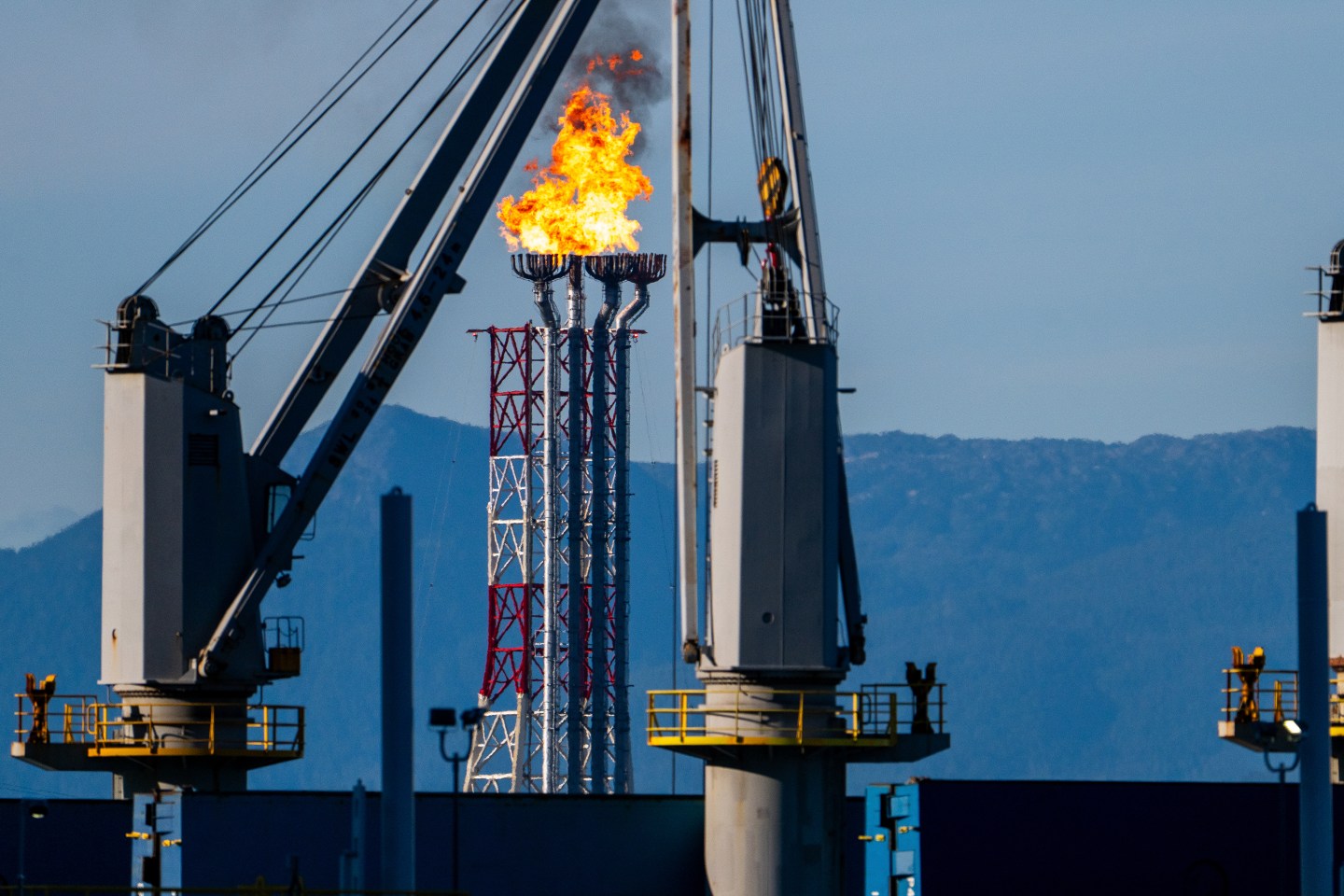
The reason was brutally simple: buyers needed oil that was available immediately, competitively priced, and — most importantly — capable of avoiding an active geopolitical conflict zone. Canada suddenly checked every box.
New government data released this week confirmed that Canada’s refined petroleum sector reached its highest production year ever in 2025, hitting an astonishing 117.1 million cubic meters. At the same time, crude oil output averaged 5.3 million barrels per day, extending a record-breaking streak for the third consecutive year.
That timing could not have been more critical.
With the Trans Mountain Pipeline operating at full capacity, Canadian oil gained a direct path to the Pacific Coast, allowing shipments to move across the North Pacific without touching the dangerous choke points now paralyzing global trade. The route stretches nearly 9,000 kilometers, but it bypasses some of the most politically volatile shipping lanes on Earth.
For Asian buyers desperate for stability, that route suddenly became priceless.
Chinese importers rapidly emerged as the pipeline’s largest customers, while South Korean refiners activated emergency procurement plans to secure Canadian crude. What once looked like a secondary export option suddenly became one of the safest energy lifelines available to Asia.

And the shockwaves didn’t stop there.
The surge in demand is now reshaping the balance of power across North America itself.
For years, many trade strategists in Washington operated under the assumption that the United States could gradually reduce dependence on Canadian energy. But the reality of the current market exposed a much harsher truth.
Refineries along the US Gulf Coast are specifically designed to process heavy crude oil — the exact type Canada produces in massive quantities. Normally, those refineries rely heavily on supply from Canada, Venezuela, and the Middle East. But with the Strait of Hormuz effectively blocked and Venezuelan production remaining unstable, American refiners are suddenly competing for the same Canadian barrels now flowing toward Asia.
That changes everything.
Canada is no longer simply reacting to tariffs or trade pressure. It now controls a secure energy supply that both Asian manufacturing giants and US industrial refineries urgently need. Heading into upcoming trade negotiations, that leverage could become one of Ottawa’s strongest bargaining chips in years.
Another major factor may arrive within weeks.
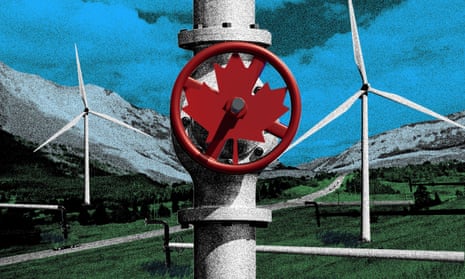
The proposed Prairie Connector pipeline, currently under review, could transport roughly 450,000 additional barrels per day directly into the United States if approved. That would give negotiators a powerful infrastructure asset capable of easing refinery shortages south of the border while expanding Canada’s long-term export influence.
At home, the boom is already rippling through the Canadian economy.
Record energy exports strengthen pension funds heavily invested in oil and gas producers, boosting retirement savings for millions of Canadians. Provincial royalty revenues are climbing, helping finance healthcare projects and infrastructure without placing additional strain on federal spending. The government’s recent 10-cent fuel tax cut at the pump was also partially supported by the financial cushion created through surging energy revenues.
Still, the opportunity comes with serious long-term tension.
Canada now faces an increasingly difficult balancing act between expanding oil production and meeting aggressive climate commitments tied to net-zero emissions targets. Critics argue that breaking production records while promising carbon reductions creates unavoidable contradictions that could intensify future political battles over energy policy and carbon pricing.
There’s also the reality that this window may not stay open forever.
If Middle Eastern shipping routes stabilize and global flows normalize, many buyers could eventually return to suppliers located closer to home. Canada’s Pacific export capacity also remains physically limited, with current pipeline infrastructure capped at roughly 890,000 barrels per day.
Which means the race is already on.
Canada now has a rare moment to lock in long-term contracts, deepen Asian partnerships, and permanently reposition itself as one of the world’s most strategically reliable energy suppliers.
And in a year when global supply chains cracked under pressure, Canada may have just discovered that resilience is the new oil superpower.






