Canada Navigates Global Tariff Pressures as Ottawa Pursues Diversification Strategy Amid Expanding U.S. Trade Measures
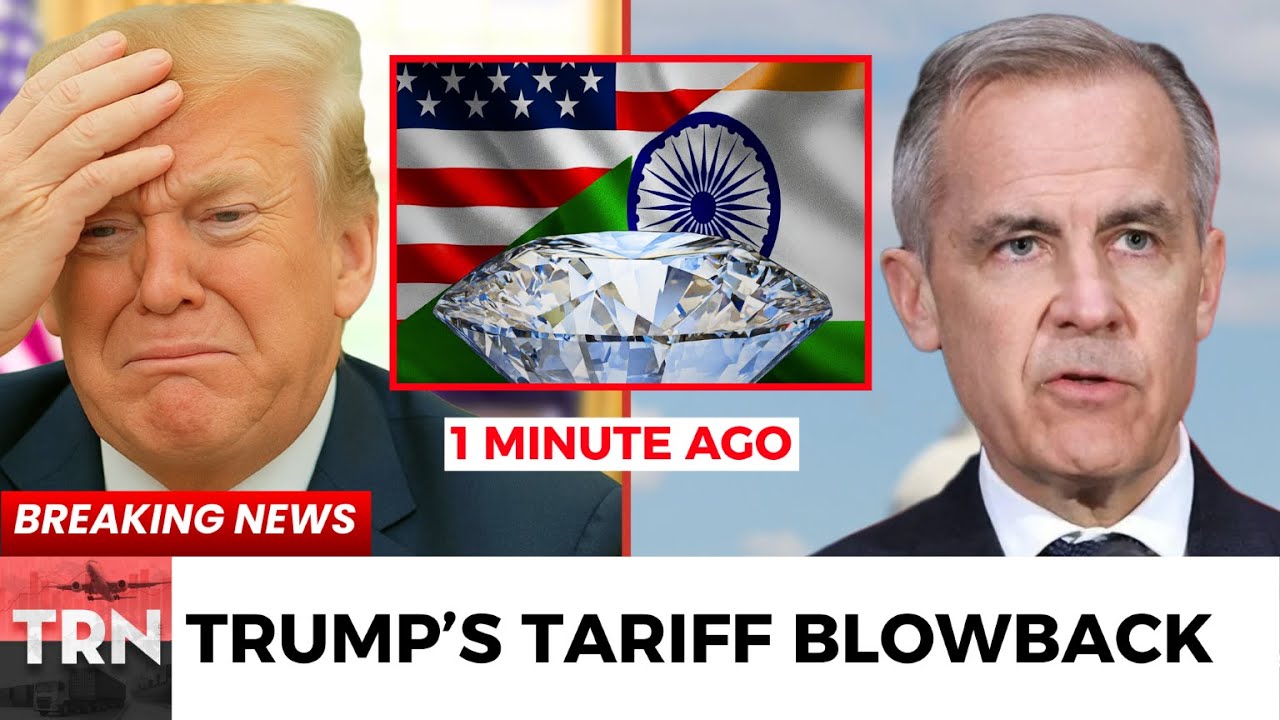
Canada’s trade relationship with the United States has entered another period of uncertainty as the administration of U.S. President Donald Trump expands tariff measures affecting multiple countries and sectors. The latest developments have drawn significant attention in Ottawa, where policymakers are assessing both the immediate economic consequences and the broader implications for Canada’s long-term trade strategy.
The discussion intensified after new U.S. tariffs targeted a wide range of imports, including Indian goods and Canadian exports. While the White House has presented the measures as tools to secure improved trade outcomes, critics argue that many of the costs are ultimately being absorbed by consumers and businesses throughout North America.
In recent weeks, tariffs on Indian products reportedly increased to levels affecting a substantial share of that country’s exports to the American market. The diamond industry quickly emerged as one of the most closely watched examples, given India’s dominant role in global diamond cutting and polishing operations.
Industry representatives noted that a large majority of diamonds sold in the United States pass through Indian processing facilities before reaching retailers. As a result, higher import duties are expected to increase costs throughout the supply chain and potentially affect consumer prices during key retail periods.
The impact extends beyond luxury goods. Rising gold prices, combined with tariff-related expenses, have added further pressure to jewellery markets already adapting to changing consumer preferences and the growth of laboratory-produced alternatives.
Canada faces a separate but equally significant challenge. Washington’s decision to increase duties on Canadian softwood lumber has renewed concerns among industry leaders and provincial governments about the future competitiveness of one of Canada’s most important resource sectors.
According to industry groups, the higher duties could increase construction costs in the United States while also affecting Canadian producers that rely heavily on cross-border demand. The issue has raised broader concerns about government accountability and the effectiveness of traditional trade dispute mechanisms.
Ottawa has responded with a support package valued at approximately $1.2 billion Canadian dollars, including loan guarantees and funding designed to help forest-sector businesses maintain operations while exploring new opportunities. The federal government has emphasized market diversification as a central component of its strategy.
Prime Minister Mark Carney has largely avoided confrontational rhetoric, instead stressing the importance of protecting domestic industries while maintaining open channels of communication with Washington. His government has offered a carefully measured response as negotiations continue.
The broader debate has highlighted widening divisions within Parliament and among provincial leaders regarding the most effective approach. Some advocate strong reciprocal measures, while others favour reducing trade barriers where doing so could lower costs for Canadian consumers and businesses.


Beyond the Canada-U.S. relationship, Ottawa is also closely monitoring how other countries are responding to the changing trade environment. India, Brazil, Mexico, and several European economies have all faced new tariff pressures, creating a rapidly evolving international landscape.
Trade analysts increasingly note that countries affected by tariffs are accelerating efforts to diversify export destinations and reduce reliance on any single market. For Canada, that trend aligns with policies already being pursued by the federal government.
Ontario provides one example of these adjustments. The transcript suggests that some grain shipments traditionally destined for U.S. buyers are increasingly being redirected toward European markets as exporters seek alternative customers and reduce exposure to tariff-related risks.
Foreign investment remains another important consideration. Despite uncertainty surrounding trade relations, major industrial projects, including battery manufacturing and advanced manufacturing investments, continue to move forward across Canada.
The federal government’s approach reflects a broader effort to strengthen economic resilience rather than rely exclusively on retaliatory measures. Officials have repeatedly emphasized diversification, industrial development, and strategic investment as key pillars of Canada’s response.
Provincial leaders have not always agreed on the precise balance between negotiation and retaliation. Differences between provincial governments illustrate the complexity of managing a national response while addressing regional economic priorities and sector-specific concerns.
At the same time, developments involving Mexico have attracted attention in Ottawa. Discussions between Canadian and Mexican officials regarding enhanced cooperation suggest both countries are examining ways to strengthen economic ties while remaining committed to existing North American trade frameworks.
Observers note that these conversations do not necessarily represent a departure from established partnerships. Instead, they reflect an effort by governments to adapt to a trading environment that has become increasingly unpredictable and subject to sudden policy changes.
The larger political question concerns whether tariff-driven strategies ultimately strengthen economic leverage or encourage trading partners to pursue alternative arrangements. That issue has prompted renewed debate across Canada’s political landscape as policymakers evaluate the long-term consequences of current trade disputes.
For the Carney government, the challenge remains balancing immediate economic protection with long-term strategic objectives. As new tariffs take effect and negotiations continue, Ottawa faces growing scrutiny over how best to defend Canadian interests while preserving important international relationships. Although the final outcome remains uncertain, the debate remains unresolved within Canada’s broader political landscape.






