A major geopolitical signal is emerging from Canada as the government of Mark Carney officially backs Jennie Carignan for Chair of the NATO Military Committee — the alliance’s highest military advisory position.
If elected, Carignan would become the first Canadian to hold the role since 2008 and one of the most influential military figures inside the entire NATO structure.
The position is far more important than many people realize.
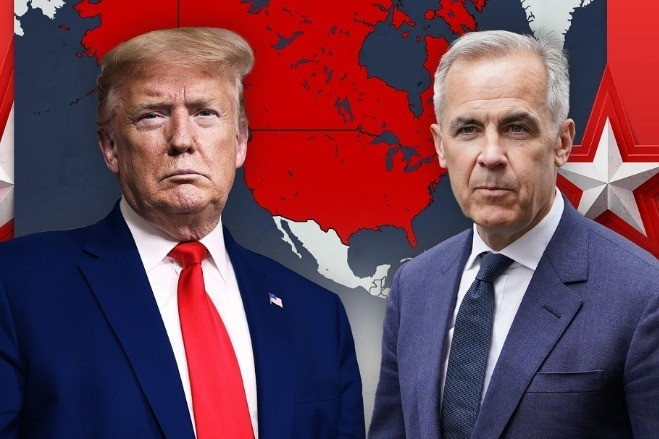
The Chair of the NATO Military Committee acts as the principal military adviser to the alliance and coordinates strategic military discussions among all 32 member nations.
While the role does not command troops directly, it plays a central part in shaping alliance priorities, defense coordination and long-term military planning.
That is why Canada’s nomination is being interpreted as more than a personnel decision.
It reflects a broader shift in how Ottawa wants to position itself internationally.
For years, many analysts viewed Canada as a reliable but relatively quiet NATO member operating largely in the shadow of the United States.
But global instability is changing alliance dynamics rapidly.
Questions surrounding America’s long-term commitment to NATO, growing tensions in Europe and expanding security competition with Russia and China have created pressure for other NATO members to step forward politically and militarily.
Canada now appears determined to do exactly that.
The timing of the nomination is especially significant.
As debates intensify over defense spending, alliance burden-sharing and the future direction of NATO, leadership positions inside the alliance carry enormous symbolic and strategic value.
By putting forward its top military officer for the alliance’s highest advisory role, Canada is signaling that it wants greater influence over how NATO evolves during a period of global uncertainty.
The move also carries domestic political implications for Carney.

Projecting strength on international security issues can reinforce Canada’s image as a serious geopolitical actor rather than simply a middle-power partner following larger allies.
For supporters, the nomination demonstrates confidence, stability and ambition.
Critics, however, argue that some public narratives surrounding the move exaggerate its implications.
Claims that Canada has somehow “seized” NATO leadership or acted independently of American influence overstate how the alliance functions.
NATO appointments involve consultation and voting among alliance members, not unilateral takeovers.
Likewise, suggestions that Donald Trump has “no say” simplify a far more complex diplomatic process.
The United States remains NATO’s dominant military power and continues to hold enormous influence inside the alliance regardless of who chairs the Military Committee.
Still, the symbolism matters.
At a time when many countries are reassessing global alliances, energy security and defense partnerships, even advisory leadership roles inside NATO carry substantial geopolitical weight.
Military leadership increasingly overlaps with economics, industrial policy and technological competition.
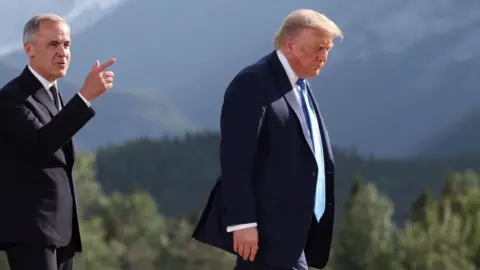
Defense influence can shape procurement contracts, intelligence relationships, strategic investments and international partnerships worth billions of dollars.
That is why countries compete intensely for high-level NATO positions.
The nomination also highlights a larger trend unfolding across Western alliances.
Middle powers such as Canada are seeking greater autonomy and visibility rather than relying entirely on traditional American leadership structures.
Europe is pursuing strategic defense independence in several areas.
Canada is expanding its diplomatic and military footprint.
Other allies are similarly attempting to strengthen their leverage within multilateral institutions.
This does not necessarily mean a collapse of U.S. influence.
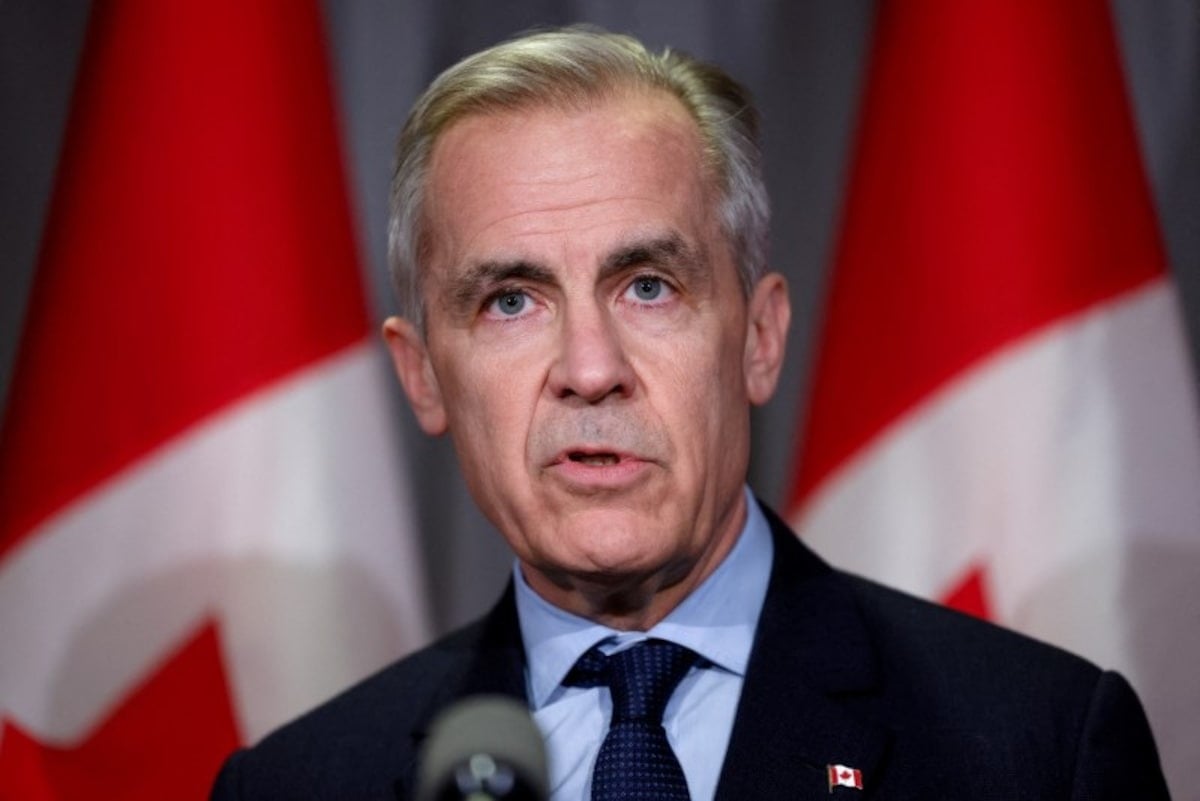
But it does suggest a more distributed Western power structure may be emerging.
In that environment, leadership becomes less automatic and more contested.
Canada’s move therefore represents both a military decision and a geopolitical statement.
Ottawa wants a stronger voice inside the institutions shaping the future global order.
And as uncertainty grows across NATO, energy markets and international politics, countries that once operated quietly in the background are increasingly stepping into more visible positions of influence.






