Canada Shifts to European Jets as U.S. Defense Ties Face a Major Break
OTTAWA — Canada is quietly reshaping one of its oldest and closest alliances, taking deliberate steps to reduce long-standing military dependence on the United States.
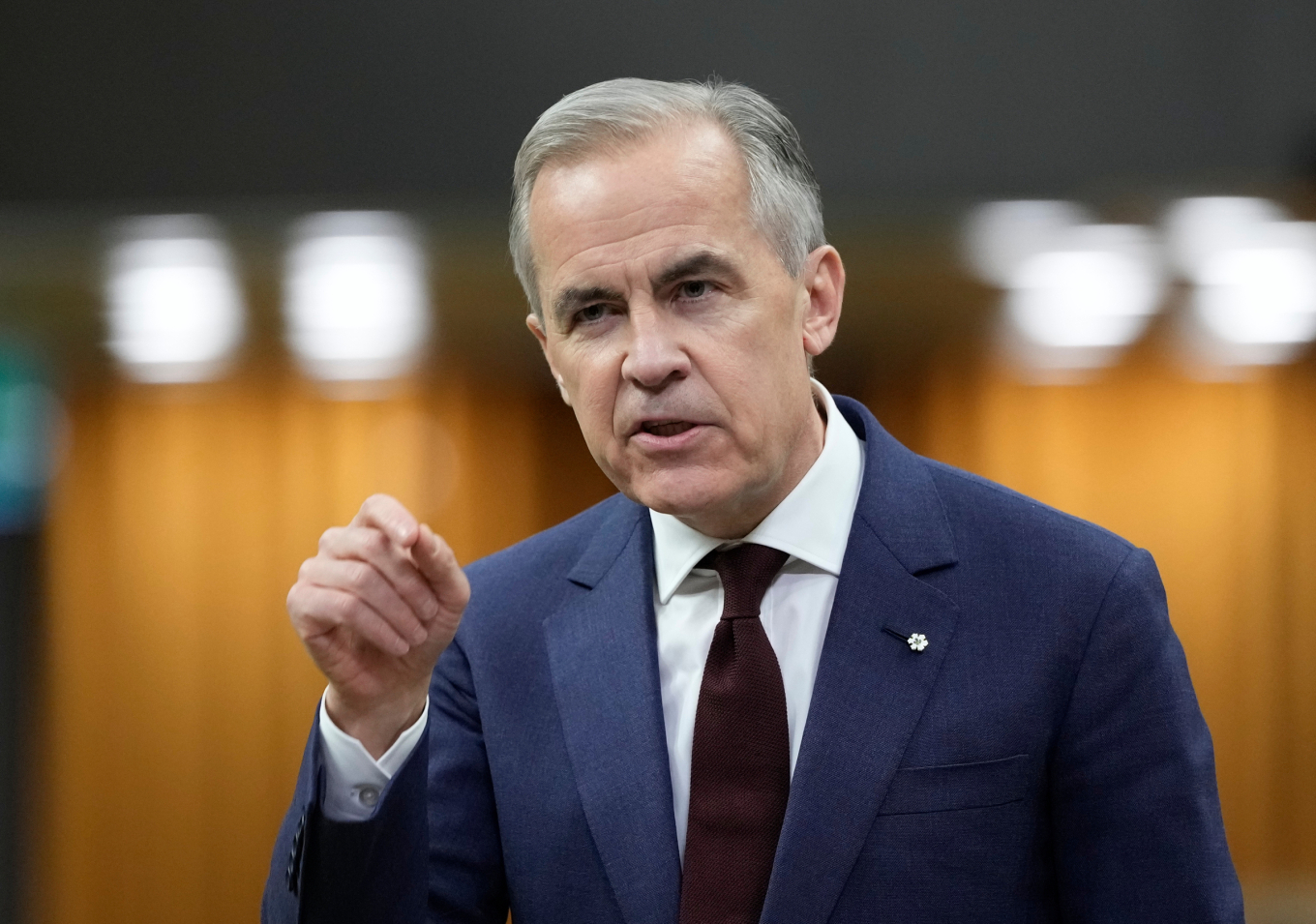
Under Prime Minister Mark Carney, Ottawa has signaled plans to purchase fighter jets from European suppliers and is pursuing broader defense diversification, marking a subtle but significant recalibration in North American security relations.
European Procurement Push
Canadian officials have indicated they are moving toward acquiring advanced fighter aircraft from European manufacturers, most notably Sweden’s Saab Gripen, as part of a mixed fleet strategy. This marks a departure from earlier plans that leaned more heavily on American-made F-35 stealth fighters.
The shift is driven by a desire for greater operational sovereignty, lower long-term costs, and technology transfer that allows domestic maintenance and upgrades without external constraints.
U.S. Military Partnership Strained
The move comes as the United States suspended participation in the Permanent Joint Board on Defense, an 86-year-old bilateral institution established during World War II. The decision, announced by Pentagon officials, followed a speech by Mr. Carney advocating greater cooperation among middle powers.
While not a full rupture, the suspension of the board — which coordinated defense planning between the two nations — has added to perceptions of cooling military ties.
Strategic Recalibration
Mr. Carney has framed the changes as necessary modernization rather than a break from Washington. Canada, he argues, must strengthen its own capabilities and build alternative partnerships to reduce vulnerability to sudden shifts in U.S. policy.
The approach reflects a broader Canadian effort to diversify defense suppliers while maintaining its role as a committed NATO ally.
Deep Historical Ties
For decades, Canada and the United States have shared one of the world’s most integrated defense relationships. They cooperate on intelligence through the Five Eyes alliance, conduct joint training exercises, and maintain integrated supply chains for equipment ranging from aircraft parts to naval systems.
The border between the two countries remains the longest undefended frontier in the world, a symbol of deep trust built over generations.
Drivers of Change
Canadian officials point to several factors behind the diversification push. Persistent trade tensions, tariff threats, and unpredictable policy signals from Washington have prompted Ottawa to seek greater strategic autonomy.
Mr. Carney has repeatedly stated that a stronger, more self-reliant Canada will ultimately be a better partner to the United States, not a more distant one.
Investments in Domestic Capacity
Canada is increasing defense spending and investing in domestic industrial capabilities. The government aims to develop sovereign maintenance and upgrade facilities for new European equipment, creating jobs and reducing reliance on foreign supply chains.
European partners have offered technology transfers and joint production arrangements that American suppliers have been less willing to provide.
European Partnerships Deepen
In recent months, Canada has expanded defense cooperation with several European nations. Negotiations with Germany and Norway for Type 212CD submarines are advancing, with proposals for elements of a shared fleet in Arctic and North Atlantic operations.
Sweden has also embedded troops in a Canadian-led NATO brigade in Latvia, further intertwining military operations.
Implications for NATO
The changes could have ripple effects across the Western alliance. While Canada remains firmly committed to NATO, its diversification may encourage other member states to seek greater autonomy in procurement and technology.
Alliance officials in Brussels are monitoring the developments closely, viewing them as part of a wider European push for strategic sovereignty.
U.S. Reaction
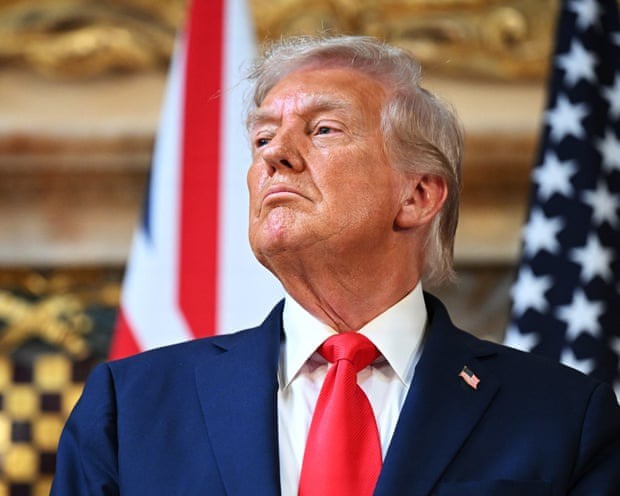
The Trump administration has expressed concern over Canada’s shifting defense priorities. Some officials see the moves as unnecessary given the long history of successful bilateral cooperation.
However, others acknowledge that Canada’s actions reflect legitimate concerns about supply chain resilience and long-term reliability.
Domestic Political Debate
In Canada, the strategy has drawn mixed reactions. Supporters argue it strengthens national sovereignty and economic opportunities through technology transfer. Critics worry it could strain the vital U.S. relationship and increase costs in the short term.
Long-Term Outlook
Mr. Carney’s government maintains that diversification does not mean distancing. Officials emphasize that Canada will continue close cooperation with the United States in areas of shared interest, particularly Arctic security and continental defense.
The recalibration aims to make the partnership more balanced rather than less important.
A New Chapter
Canada’s quiet pivot reflects a broader global trend of middle powers seeking greater strategic flexibility in an era of uncertainty. As great-power competition intensifies, nations like Canada are hedging their bets without abandoning core alliances.
The coming years will test whether this balanced approach strengthens Canada’s security or creates new vulnerabilities in an increasingly complex world.
For now, Ottawa appears determined to chart a more independent course while preserving the foundation of its most important bilateral relationship.






