For decades, Canada sat on some of the largest natural gas reserves on Earth while selling most of it cheaply to a single customer: the United States.
The numbers have frustrated economists, energy executives, and provincial leaders for years. Canadian gas was often exported south at prices hovering near just $1 to $2 per unit during oversupplied periods, while buyers in Asia were paying several times more — sometimes above $15 during global energy shocks.
Now, that imbalance may finally be changing.
Behind the scenes, momentum is building around LNG Canada Phase 2 in Kitimat, British Columbia — a massive expansion project that many insiders believe is no longer a question of “if,” but “when.”
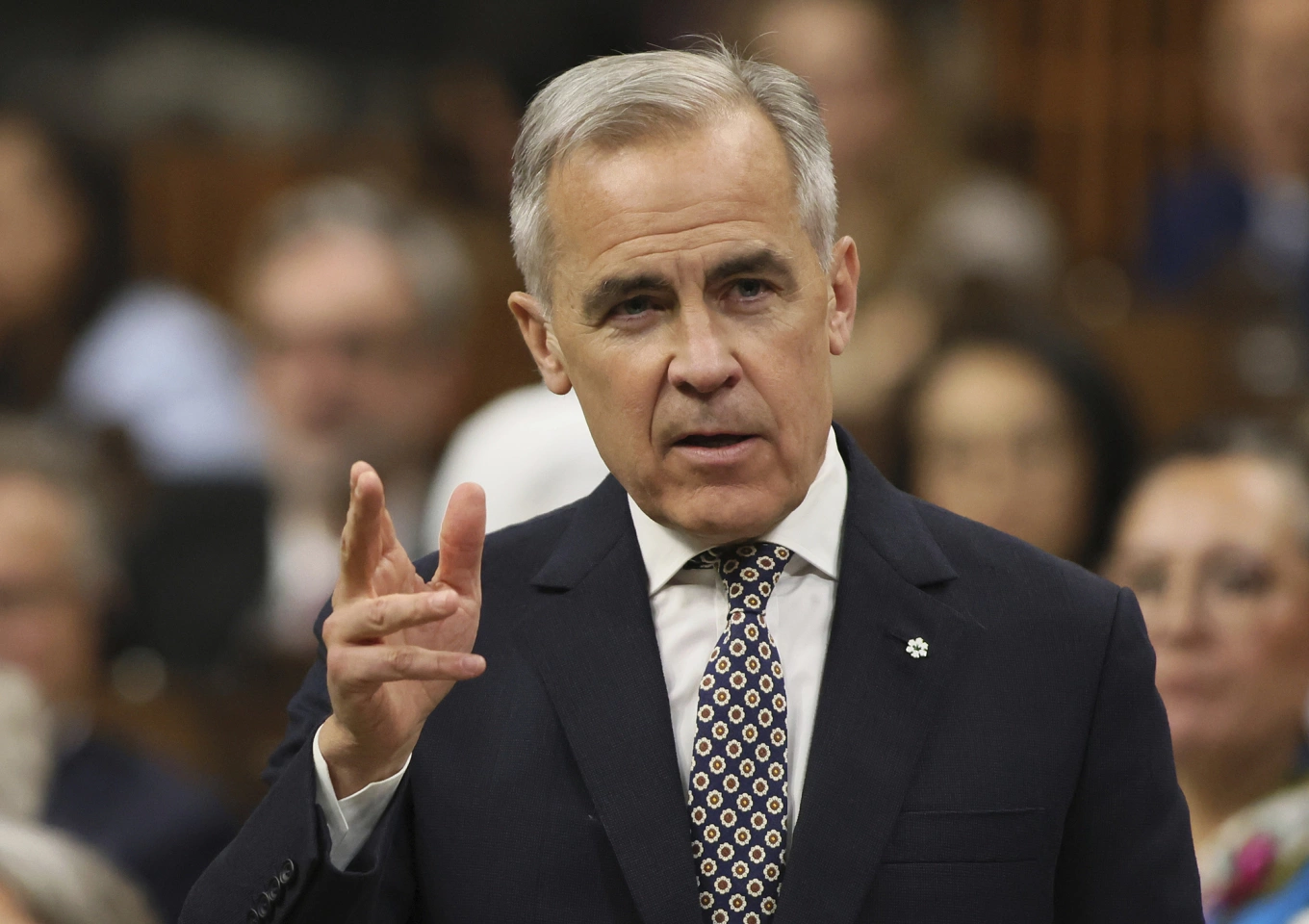
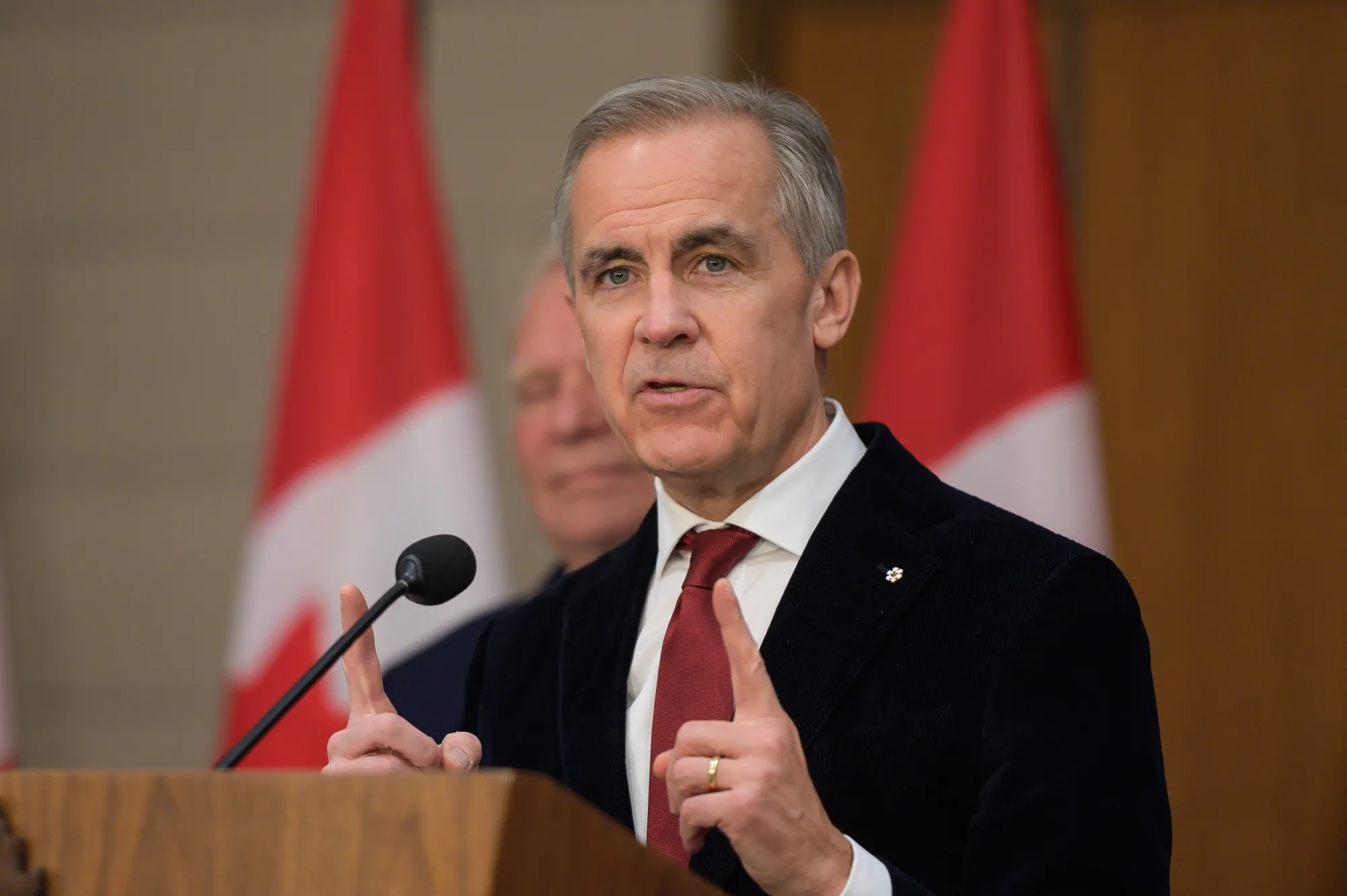
And according to industry analysts, Prime Minister Mark Carney’s government appears determined to make sure the project crosses the finish line.
What makes the situation remarkable is that Shell and its partners have already spent hundreds of millions preparing the expansion before a final investment decision has officially been announced.
In the energy industry, companies do not spend that kind of money casually.
They spend it when they believe approval is coming.
The original LNG Canada terminal, located on Canada’s Pacific Coast, already represents one of the largest private-sector investments in Canadian history. The project includes a liquefaction facility in Kitimat and the massive Coastal GasLink pipeline stretching across British Columbia.
When exports begin ramping up at full scale, Canadian natural gas will no longer be trapped almost entirely inside the North American market.
Instead, it will flow directly to high-demand economies across Asia.
That changes everything.
For years, Canada’s energy sector has faced a structural problem: geography.

Most Canadian gas exports were tied to U.S. buyers because there was no major LNG export route to overseas markets. That dependence gave American buyers enormous leverage over pricing.
Critics argued Canada was effectively discounting its own resources while other countries captured the premium profits from global LNG trade.
Then came the global energy crisis.
Russia’s invasion of Ukraine reshaped energy markets worldwide, pushing Europe and Asia into fierce competition for secure LNG supplies. Prices exploded. Governments suddenly realized energy security mattered more than ever.
And Canada began looking very different.
Unlike many major energy producers, Canada is viewed internationally as politically stable, resource-rich, and relatively reliable.
Asian buyers took notice quickly.
Japanese and South Korean companies intensified discussions with Canadian producers, while European leaders openly encouraged Ottawa to accelerate LNG infrastructure development.
At the same time, tensions with Washington over trade, tariffs, and industrial competition pushed Canada to rethink its long-standing dependence on the American market.
That is where Mark Carney enters the story.
Carney has increasingly framed Canada’s economic future around diversification — not just in trade partners, but also in strategic industries.
Energy sits at the center of that vision.
His government has signaled support for expanding Canadian export capacity while also attempting to balance climate commitments with economic growth.
Supporters argue LNG exports could generate tens of billions in revenue, strengthen the Canadian dollar, create thousands of jobs, and reduce dependence on the United States.
Critics, however, warn that large LNG expansions risk locking Canada into long-term fossil fuel dependence at a time when many governments are pushing toward decarbonization.
But global demand projections continue telling a different story.
Even under aggressive energy transition scenarios, many forecasts still expect strong LNG demand through the 2030s and beyond, especially across Asia where countries are attempting to move away from coal.
That demand explains why Phase 2 has attracted so much attention.
The expansion would reportedly double LNG Canada’s export capacity, transforming the facility into one of the largest LNG terminals on the planet.
Industry estimates suggest the project could eventually export up to 28 million tonnes of LNG annually if fully expanded.
For British Columbia, the economic implications are enormous.
Provincial officials have already highlighted potential long-term royalty revenues, infrastructure investment, and employment growth linked to LNG development.
Entire communities in northern British Columbia are being reshaped by the energy boom.
Hotels, transportation companies, engineering firms, and construction contractors have all benefited from the surge in activity surrounding Kitimat and pipeline construction.
Some local leaders describe it as the most significant industrial transformation the region has experienced in generations.
Meanwhile, Ottawa appears increasingly aware of the geopolitical dimension.
Energy is no longer just about economics.
It is about leverage.
The United States remains Canada’s closest ally, but recent trade disputes exposed how vulnerable Canada can become when too dependent on one customer.
LNG exports offer an alternative.
Instead of selling discounted gas almost exclusively into the American market, Canada can access global pricing.
That means stronger bargaining power.
It also means Washington could gradually lose some influence over Canada’s energy sector.
And that possibility is quietly making people nervous.
American industrial manufacturers benefit heavily from relatively cheap Canadian energy imports. A major shift toward overseas exports could tighten North American supply balances and potentially raise prices.
Some U.S. analysts have already warned that expanding Canadian LNG exports may reduce America’s advantage in continental energy pricing.
At the same time, Asian governments are eager to secure long-term contracts before competition intensifies further.
Countries like Japan and South Korea view Canadian LNG as strategically valuable because it comes from a politically stable democracy with strong environmental regulations compared to some competing producers.
That reputation matters.
Especially after recent global supply disruptions.
There is also another layer to the story few people discuss openly: China.
As geopolitical competition between Washington and Beijing intensifies, energy security is becoming part of a much larger global power struggle.
Canada suddenly finds itself in a rare position.
It possesses resources the world urgently wants.
And for the first time in decades, Ottawa may finally have the infrastructure needed to capitalize on them globally.
That explains why investors are watching LNG Canada Phase 2 so closely.
The project is no longer viewed as merely another pipeline or export terminal.
It is increasingly being seen as a symbol of Canada’s broader economic realignment.
A shift away from dependency.
A shift toward global leverage.
And perhaps even a shift in how Canada sees itself economically.
For years, critics accused Canada of underestimating the value of its own resources while other countries aggressively expanded export infrastructure.
Now, the conversation has changed dramatically.
The question is no longer whether Canadian gas has value.
The world already answered that.
The real question is whether Canada is finally prepared to act like a global energy superpower — or whether political hesitation will once again delay the opportunity.
Because if LNG Canada Phase 2 moves forward as expected, one reality becomes impossible to ignore:
Canada may have spent decades selling energy cheaply while others made fortunes from global demand.
But that era could be ending faster than many people realize.






