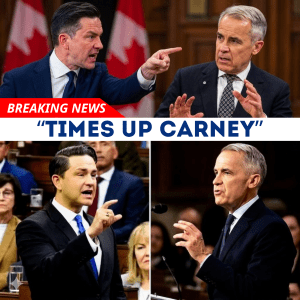
Energy policy has once again moved to the center of Canada’s political debate following a contentious exchange in the House of Commons that focused on electricity production, affordability, and the future direction of the country’s resource sector. The discussion attracted national attention as opposition figures challenged the federal government’s record while arguing that rising energy costs continue to affect households across the country.
The debate emerged amid broader concerns regarding affordability, economic competitiveness, and infrastructure development. With energy costs increasingly intertwined with discussions about inflation and household finances, policymakers in Ottawa are facing renewed pressure to demonstrate that existing policies can deliver both environmental and economic objectives.
Conservative leader Pierre Poilievre was among the most vocal critics during the exchange, arguing that recent government announcements represented a continuation of policies pursued over the previous decade. He contended that Canadians have yet to experience significant improvements in affordability despite repeated commitments from federal leaders.
Prime Minister Mark Carney has faced growing scrutiny in Ottawa over his government’s approach to energy production, electricity reliability, and long-term economic planning. Opposition members suggested that policy continuity has limited opportunities for broader reform, while government representatives have continued to defend their overall strategy.

Questions surrounding electricity supply became a central feature of the parliamentary debate. Opposition MPs argued that Canada’s substantial natural resource base should allow the country to meet domestic electricity demand more effectively and reduce reliance on imported power.
Canada’s extensive hydroelectric resources, uranium reserves, and natural gas production capacity featured prominently in the discussion. Critics argued that these advantages provide the foundation for a stronger domestic energy sector capable of supporting both economic growth and energy security.
The debate also highlighted concerns about project approvals and regulatory processes. Opposition figures maintained that lengthy approval timelines and development restrictions have discouraged investment and slowed the construction of new energy infrastructure across several regions of the country.
Supporters of accelerated development argued that reducing delays could improve investment certainty while helping Canada capitalize on its resource advantages. They contended that faster approvals would strengthen both economic competitiveness and long-term energy reliability.
The issue of electricity imports from the United States also attracted attention during the debate. Opposition members argued that reliance on imported power raises broader questions about domestic production capacity and long-term planning within Canada’s energy system.
Government policies related to carbon pricing and environmental regulation remained major points of disagreement. Critics suggested that such measures have increased costs for producers and complicated development efforts, while supporters maintain they are essential components of Canada’s climate and energy transition objectives.

Parliamentary divisions became increasingly apparent as MPs debated how best to balance environmental commitments with affordability concerns. The exchange highlighted widening divisions within Parliament regarding the pace and direction of future energy policy reforms.
Poilievre renewed calls for faster permitting processes, expanded infrastructure construction, and greater support for domestic resource development. He argued that Canada possesses the resources necessary to strengthen energy independence and improve economic performance.
The discussion also raised questions about investor confidence and capital allocation. Opposition representatives suggested that prolonged uncertainty surrounding project approvals has encouraged some companies to pursue investments in jurisdictions with more predictable regulatory frameworks.
Observers noted that energy policy is increasingly connected to broader economic concerns, including industrial productivity, employment growth, and regional development. As a result, debates surrounding electricity generation now extend well beyond the energy sector itself.

Economic competitiveness emerged as a recurring theme throughout the parliamentary exchange. Several participants argued that affordable and reliable energy remains a critical component of long-term economic growth and national prosperity.
Government representatives offered a carefully measured response, emphasizing the need to maintain environmental objectives while ensuring stable energy supplies. They argued that long-term planning requires balancing economic priorities with sustainability goals and regulatory oversight.
The debate further underscored the political significance of affordability issues. Rising utility costs continue to affect households across the country, making energy policy an increasingly important issue for voters and policymakers alike.
Broader concerns about accountability also surfaced during the discussion. Opposition MPs argued that Canadians are looking for tangible outcomes rather than additional announcements, particularly as affordability pressures remain a prominent public concern.
For the Carney government, the challenge lies in demonstrating that current policies can support both economic growth and environmental commitments while addressing concerns raised by opposition parties and industry stakeholders.
As Ottawa continues debating future energy priorities, questions surrounding project approvals, electricity generation, infrastructure investment, and regulatory reform are likely to remain at the forefront of political discussion. These issues carry significant implications for economic competitiveness and regional development across the country.
The coming months may prove pivotal as Parliament examines competing visions for Canada’s energy future. While strong disagreements remain regarding the causes of current challenges and the most effective policy responses, the debate remains unresolved within Canada’s broader political landscape.






