A major strategic shift may be quietly unfolding across the Atlantic, and many analysts believe its implications could reshape Canada’s relationship with the United States for years to come. What initially appeared to be a series of routine diplomatic and defense agreements is now being interpreted by some observers as part of a much larger effort by Prime Minister Mark Carney to reduce Canada’s dependence on Washington and deepen ties with Europe.
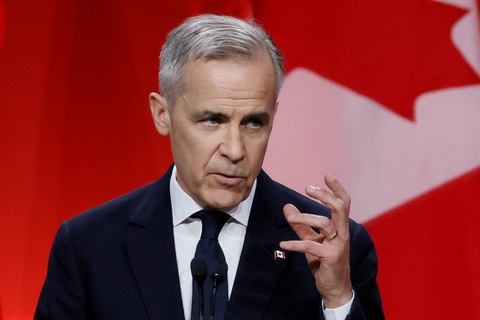
The timing has attracted enormous attention.
For decades, Canada’s economic, military, and political relationship with the United States formed the foundation of Ottawa’s international strategy. Geography, trade integration, defense cooperation, and shared institutions created one of the closest bilateral partnerships in the world. Yet recent developments suggest Canadian policymakers may increasingly be looking beyond that traditional framework.
Many analysts point to a growing pattern rather than a single event.
Over the past several months, Canada has accelerated defense discussions with European partners, expanded trade cooperation, strengthened industrial partnerships, and increased participation in emerging European security initiatives. While government officials insist these moves complement existing relationships with the United States, some observers believe something more significant may be underway.
The shift appears partly driven by economic concerns.
For years, Canadian leaders worried privately about the risks associated with excessive dependence on a single market. Although the United States remains Canada’s largest trading partner by an enormous margin, political disputes, tariff threats, and periodic trade conflicts have repeatedly exposed vulnerabilities within that relationship.
Many Canadian policymakers increasingly argue that diversification is no longer optional.
Recent trade tensions demonstrated how quickly political disagreements can create uncertainty for Canadian businesses, investors, and workers. As a result, expanding commercial ties with Europe, Asia, and other regions has become a growing priority across multiple sectors of the Canadian economy.
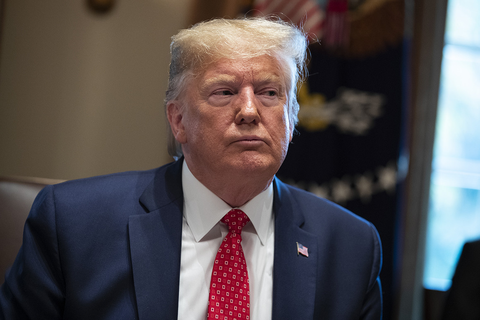
Defense cooperation represents one of the most visible examples.
Canada recently strengthened military and industrial cooperation with several European partners while gaining unprecedented access to emerging European defense programs. Some experts believe these agreements could eventually reshape procurement decisions involving aerospace systems, cybersecurity technologies, advanced manufacturing, drones, and next-generation military equipment.
That possibility has attracted significant attention in Washington.
American defense contractors historically viewed Canada as one of their most reliable and accessible international markets. If future procurement decisions increasingly involve European suppliers and joint production arrangements, billions of dollars in future contracts could potentially shift away from traditional American dominance.
The implications extend beyond military purchases.
Modern defense industries are deeply connected to artificial intelligence, aerospace engineering, advanced materials, semiconductor technology, communications systems, and industrial supply chains. Increased Canadian participation in European projects could therefore create broader economic consequences across multiple sectors.
Supporters of Carney’s approach argue this is precisely the point.
They believe Canada must position itself more independently in an increasingly unstable geopolitical environment. Rather than relying excessively on any single partner, they argue Canada should maximize flexibility by maintaining strong relationships across multiple regions simultaneously.
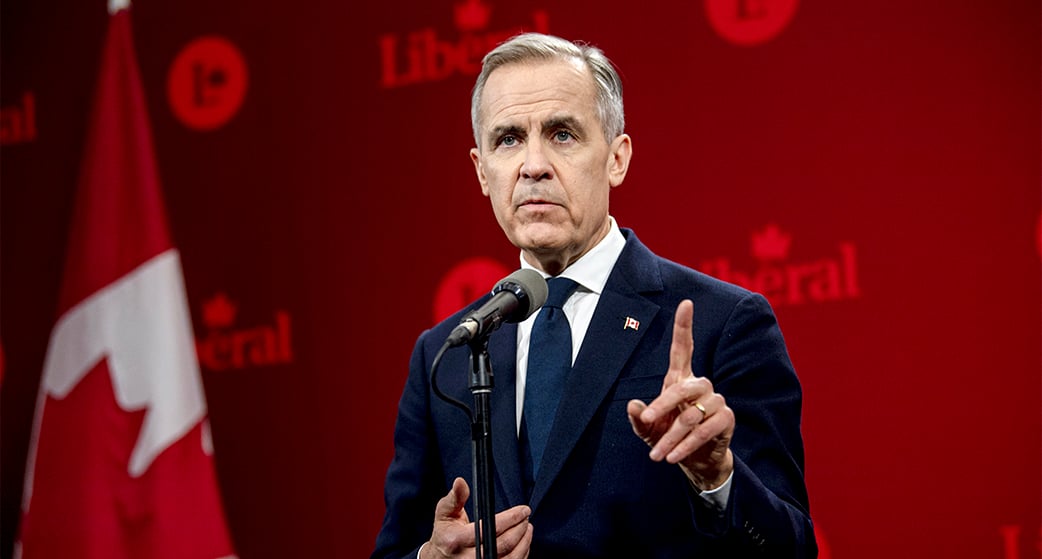
Critics remain skeptical.
Some warn that moving too far toward Europe could complicate relations with Canada’s most important ally and largest trading partner. Others argue that no realistic alternative can replace the scale and integration of the U.S.-Canada relationship regardless of how many new partnerships Ottawa develops elsewhere.
Yet global conditions continue pushing Canada toward diversification.
The international environment today looks dramatically different from the one that existed even a decade ago. Rising competition between major powers, disruptions to global supply chains, energy security concerns, technological rivalry, and geopolitical instability have forced governments worldwide to rethink traditional assumptions.
Canada is no exception.
European governments themselves are increasingly seeking stronger partnerships with reliable democratic allies outside the European Union. Canada’s advanced economy, resource base, technological capabilities, and strategic Arctic position make it an attractive partner in that evolving framework.
The Arctic dimension may be especially important.
As climate change gradually transforms northern shipping routes and resource access, Arctic security is becoming a far more prominent strategic issue. Canada and several European countries share growing concerns about northern infrastructure, maritime security, critical minerals, and military readiness in polar environments.
Those shared interests naturally encourage closer cooperation.
Meanwhile, the political symbolism of recent developments has generated enormous discussion. Some commentators portray Carney’s strategy as a deliberate effort to distance Canada from the political unpredictability associated with recent American elections and policy shifts.
Others view that interpretation as exaggerated.
Government officials continue emphasizing that Canada remains deeply committed to its alliance with the United States through NATO, NORAD, intelligence cooperation, economic integration, and numerous bilateral agreements. From their perspective, strengthening European ties does not require weakening American ones.
Nevertheless, perceptions matter in geopolitics.
Inside Washington, some analysts increasingly worry that American influence may gradually erode if allies become less dependent on U.S. economic and military systems. Europe’s own push toward greater strategic autonomy has already generated debate within NATO, and Canada’s growing engagement with European initiatives adds another layer to that discussion.
The broader trend is difficult to ignore.
Countries around the world are increasingly attempting to diversify partnerships, reduce vulnerabilities, and create alternatives within critical supply chains. Canada appears to be moving in the same direction, seeking additional options rather than exclusive dependence on any single relationship.
This approach reflects changing realities.
Modern geopolitical competition increasingly revolves around resilience, flexibility, and access to multiple networks rather than simple alliance structures. Governments that possess more options generally enjoy greater leverage during negotiations and greater protection against unexpected disruptions.
That logic resonates strongly in Ottawa.
Supporters of Carney’s strategy therefore argue the goal is not anti-Americanism but strategic insurance. They believe Canada must maintain excellent relations with Washington while simultaneously developing alternative markets, suppliers, technologies, and security partnerships.
The distinction is important.
Canada is not abandoning the United States. Rather, many observers believe Ottawa is attempting to ensure that future Canadian prosperity and security are not overwhelmingly dependent on decisions made in Washington alone.
Whether that strategy ultimately succeeds remains uncertain.
The United States will almost certainly remain Canada’s most important partner economically, militarily, and geographically for the foreseeable future. No European initiative is likely to change that reality entirely.
Yet the broader direction appears increasingly clear.
Canada is pursuing greater strategic flexibility, deeper European engagement, and a more diversified international posture than at any point in recent decades.
And if current trends continue, historians may eventually look back on this period as the moment when Canada quietly began redefining its place within the global balance of power.






