Canada’s Strategic Pivot Draws Attention as U.S. Lawmakers Question the Impact of Trump’s Trade Agenda

Canada’s evolving economic strategy has become the subject of growing discussion on both sides of the border after a congressional hearing in Washington highlighted concerns about the long-term consequences of U.S. trade policy. At the centre of the debate is Prime Minister Mark Carney, whose government has increasingly emphasized diversification beyond the United States while expanding partnerships with Europe and other international markets.
The issue gained national attention after members of the U.S. Congress openly questioned whether President Donald Trump’s tariff strategy was strengthening American competitiveness or encouraging key allies to seek alternatives. The discussion reflected broader concerns about economic stability, supply chains, and the future of North American integration.
During testimony involving U.S. Trade Representative Jamieson Greer, lawmakers debated the effectiveness of the administration’s trade measures. Supporters argued that tariffs had secured concessions from foreign governments, improved market access for American producers, and reduced strategic dependence on China.
Several lawmakers expressed concern that the broader consequences of the strategy may be undermining relationships with longstanding partners. Democratic representatives argued that rising uncertainty in trade policy has contributed to inflationary pressures, market instability, and growing questions about America’s role within established economic alliances.
A particularly notable moment emerged when lawmakers acknowledged that Canada has increasingly pursued economic opportunities beyond the United States. References were made to Ottawa’s efforts to strengthen commercial ties with Europe and Asia while reducing exposure to future disruptions originating from political shifts in Washington.
The hearing also examined investment patterns across North America. According to comments presented during the discussion, some firms continue to view Canada and Mexico as attractive locations for manufacturing because existing trade arrangements allow access to the U.S. market while providing what some investors perceive as greater policy predictability.
Canada’s position in integrated supply chains was highlighted as a continuing advantage. Access to reliable energy resources, established transportation networks, and a comparatively stable policy environment have helped maintain the country’s appeal for long-term industrial investment despite ongoing trade disputes.
As political tensions surrounding tariffs continue, Ottawa has maintained that diversification is not intended to weaken relations with the United States. Instead, the government has framed the approach as a necessary response to a more fragmented global economy and a way to reduce strategic vulnerabilities.
Canada has simultaneously expanded efforts in critical minerals, advanced manufacturing, and energy infrastructure. The government has also implemented support measures designed to assist sectors affected by American tariffs, reinforcing its broader objective of economic resilience.


The congressional debate also turned toward consumer costs inside the United States. Critics argued that tariffs were contributing to higher prices for a range of goods and increasing pressure on household budgets. Those concerns have prompted renewed debate across Canada’s political landscape regarding the long-term sustainability of escalating trade barriers.
For many observers, the discussion reflected more than a disagreement over tariffs. It highlighted widening divisions within Parliament and among policymakers internationally regarding how advanced economies should respond to geopolitical uncertainty and shifting trade relationships.
The hearing further underscored concerns about supply-chain stability. Lawmakers noted that businesses continue to face challenges associated with fluctuating trade rules, volatile energy markets, and uncertainty surrounding future investment decisions.
While American lawmakers debated trade policy, Prime Minister Carney advanced a separate initiative focused on environmental and economic resilience. His government announced a $3.8-billion conservation strategy aimed at expanding protected lands and waters across Canada while linking environmental stewardship to long-term economic planning.
The plan seeks to protect 30 per cent of Canadian lands and waters by 2030. According to the government, the initiative will support new conservation projects, marine protection measures, and Indigenous-led stewardship efforts across multiple regions of the country.
The conservation strategy has attracted attention because it presents natural assets as a component of national economic strength. Government officials argue that healthy ecosystems contribute to flood protection, climate resilience, and infrastructure stability, reducing long-term economic risks.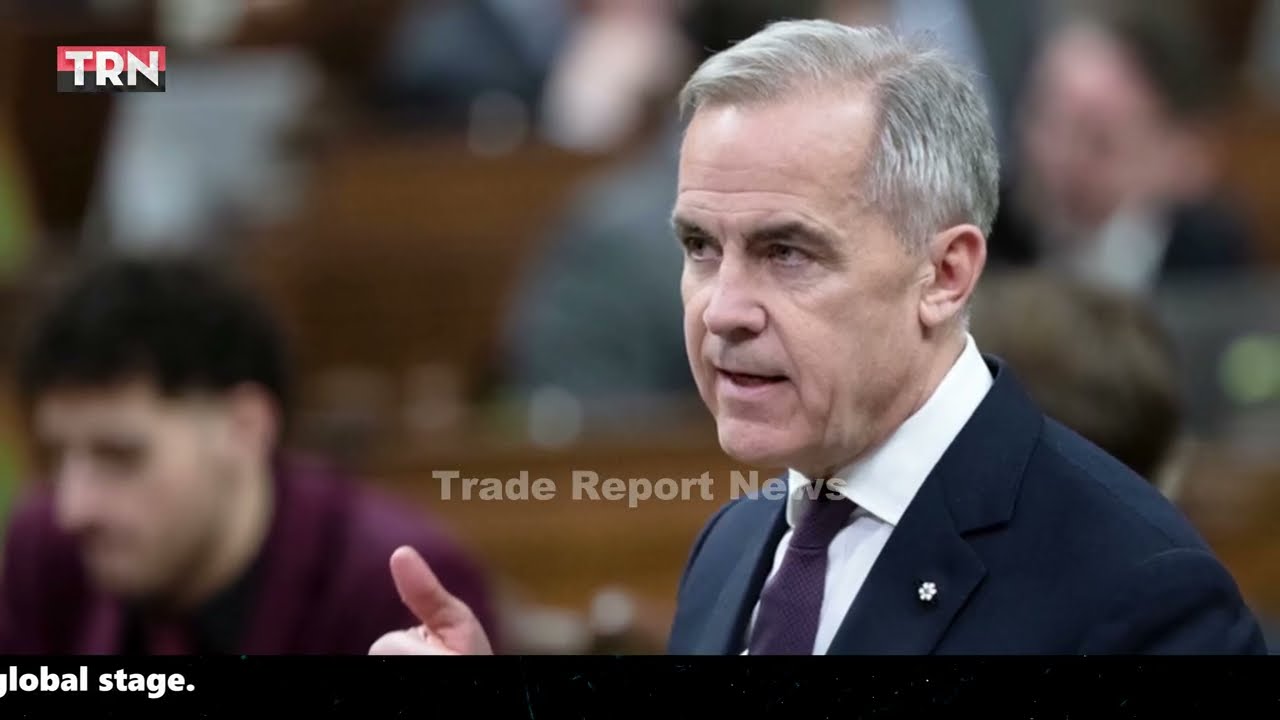
Supporters contend that integrating conservation and investment policy positions Canada to attract capital increasingly focused on sustainability and long-term resilience. Critics, however, may question whether such investments can generate measurable economic returns quickly enough to address immediate competitive pressures.
The contrast between Ottawa’s approach and Washington’s priorities became a recurring theme throughout the transcript. While the United States continues to emphasize tariffs, industrial output, and domestic production, Canada is increasingly focusing on resilience, diversification, and strategic resource development.
Political analysts note that these differing approaches could shape future investment flows and influence how global markets evaluate economic stability. As capital increasingly seeks predictable regulatory environments, governments are under pressure to demonstrate long-term planning rather than short-term responses.
The developments have also raised broader concerns about government accountability and the future direction of Canada-U.S. relations. Although both countries remain deeply interconnected economically, recent debates suggest policymakers are reassessing assumptions that have guided bilateral trade for decades.
Ultimately, the congressional hearing and Canada’s conservation announcement point to a larger discussion about economic sovereignty, resilience, and strategic independence. Whether Ottawa’s diversification strategy delivers its intended results remains uncertain, but the debate remains unresolved within Canada’s broader political landscape.






