Something changed after the Strait of Hormuz crisis — and according to growing political speculation, the effects may reach far beyond energy markets alone.
As tensions surrounding the strategically critical shipping route triggered fears of global oil disruptions, analysts began closely examining which countries stood to gain the most from rising concerns over energy security.
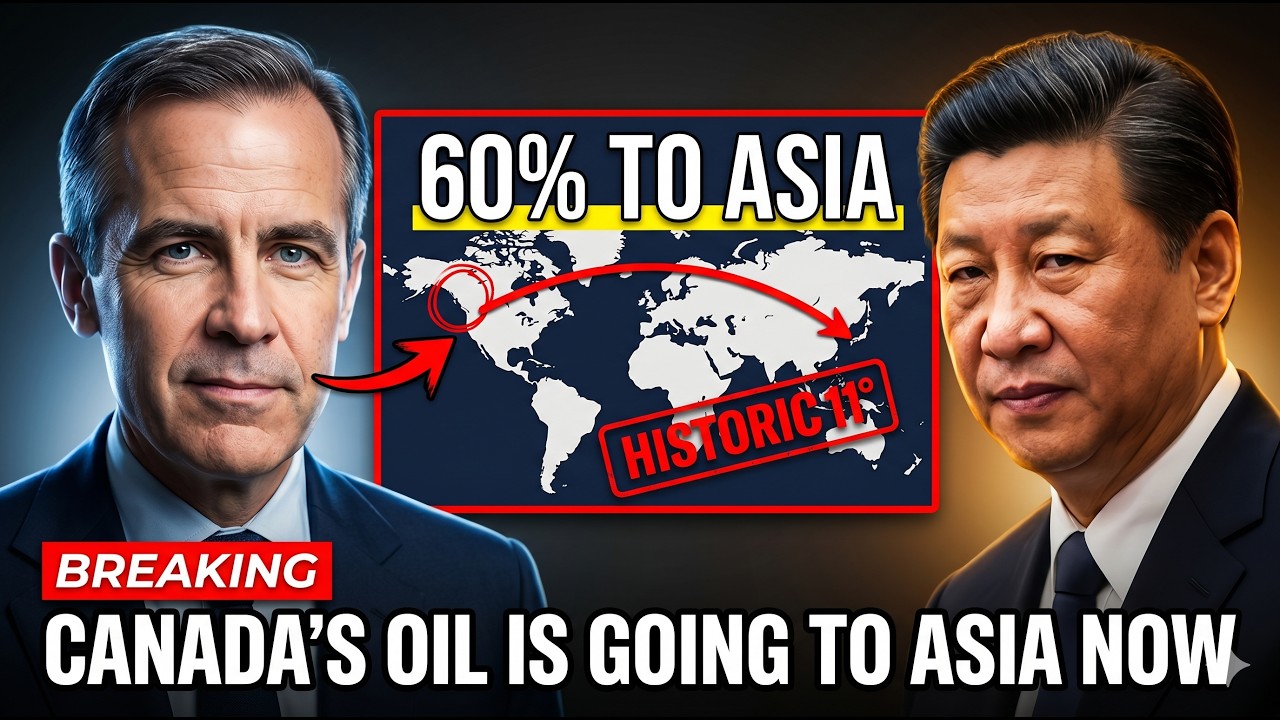
Unexpectedly, many eyes turned toward Canada.
For decades, the global economy has remained heavily dependent on vulnerable international supply routes, particularly in the Middle East.
Whenever instability threatens the Strait of Hormuz, energy prices typically surge and governments begin scrambling to secure reliable long-term suppliers.
This time, however, observers say the geopolitical reaction may have revealed something much bigger.
Unlike many major oil-producing regions, Canada is viewed as politically stable, resource-rich and geographically secure.
That combination suddenly became far more valuable during the latest global uncertainty.

Several commentators argued that Canada’s enormous energy reserves — especially oil, natural gas and critical minerals — may now provide Ottawa with stronger leverage in trade and strategic negotiations than many previously assumed.
What reportedly shocked some analysts was not simply the energy crisis itself, but how rapidly discussions shifted toward North American resource independence.
Questions quickly emerged about whether the United States may become increasingly dependent on Canadian energy stability during future international disruptions.
The debate intensified online after renewed attention focused on cross-border energy infrastructure, trade agreements and long-term supply planning between Canada and United States.
Some political commentators claimed Washington had underestimated how much Canada’s strategic importance could grow during periods of geopolitical instability.
Others cautioned that many of the more dramatic online claims remain speculative and heavily exaggerated.
Still, the conversation itself reflects a larger global reality: energy security is once again becoming one of the most important geopolitical issues in the world.
The Strait of Hormuz handles a massive share of global oil shipments.
Any threat to that route immediately affects international markets, shipping confidence and government planning.
In that environment, countries capable of offering stable domestic production gain enormous strategic value.
Canada’s role becomes especially significant because of its close economic integration with the United States.
The two countries already maintain one of the world’s largest trading relationships, particularly in energy and raw materials.
But recent events have revived debate about whether the balance within that partnership could gradually evolve.
Some analysts believe Canada may seek greater negotiating power in future trade, infrastructure and environmental discussions if global demand for secure North American energy continues rising.
Others argue the relationship remains overwhelmingly dominated by the economic size and military influence of the United States.
Even so, political observers note that moments of global crisis often reshape alliances and perceptions faster than expected.
Social media has dramatically amplified these theories.
Viral posts describing Canada as an emerging “energy superpower” have generated intense discussion, particularly among audiences already skeptical of traditional geopolitical assumptions.
Some users framed the situation as evidence that global power dynamics are quietly shifting behind closed doors.
Others dismissed the narrative as sensationalism designed to attract attention during an already tense international moment.
Meanwhile, broader concerns about inflation, fuel prices and economic uncertainty continue fueling public anxiety across Western countries.
Energy remains deeply tied to nearly every part of modern economic life — from transportation and manufacturing to food prices and household expenses.
That is why even subtle changes in energy supply chains can trigger major political consequences.

Experts caution that it is far too early to declare any dramatic geopolitical realignment between Canada and the United States.
However, they also acknowledge that recent events have highlighted how strategically valuable stable energy producers may become in an increasingly unstable world.
For now, one thing appears certain: after the Strait of Hormuz crisis, far more people in Washington are paying close attention to Canada than they were before.
And the growing debate online suggests the public is starting to notice that shift as well.






