🇨🇦 “CARE OR COERCION?” — Ottawa Ignites New Firestorm Over Canada’s Explosive MAID Debate
OTTAWA — Canada’s deeply divisive debate over medical assistance in dying has erupted back into the national spotlight after Conservative MP Garnett Genuis introduced controversial new legislation that critics and supporters alike say could redefine the country’s already explosive conversation surrounding assisted death.
The proposed legislation, Bill C-260 — officially titled the “Care Not Coercion Act” — immediately triggered fierce reactions inside Parliament this week as Conservatives accused federal institutions of failing to adequately protect vulnerable Canadians from pressure linked to medically assisted death.
What began as a standard parliamentary session rapidly transformed into one of the most emotionally charged political confrontations seen in Ottawa in recent months.
At the center of the storm stood Genuis, who argued before the House of Commons that conversations involving MAID should exist strictly between willing patients and qualified medical professionals — not government officials, bureaucrats, or public service agencies.
The Conservative MP warned that some Canadians seeking unrelated government assistance may have encountered inappropriate discussions connected to assisted death while trying to access support programs.
His comments immediately intensified scrutiny surrounding Canada’s rapidly expanding MAID system, which has already become one of the most controversial healthcare issues in modern Canadian politics.
“This legislation is about safeguards,” supporters of the bill repeatedly emphasized during debate.

According to Conservatives backing Bill C-260, the proposal would not interfere with Canadians who voluntarily pursue assisted dying under existing legal frameworks. Instead, they argue the legislation would create new criminal protections against coercive conduct by non-medical government actors interacting with vulnerable citizens.
But behind the technical legal language lies a much larger national conflict — one touching ethics, healthcare, disability rights, poverty, mental health, and the role of the Canadian state itself.
Throughout the heated parliamentary exchange, Conservative MPs repeatedly returned to troubling reports involving veterans, seniors, individuals living with disabilities, and Canadians struggling financially.
Several speakers raised concerns that vulnerable individuals facing economic hardship, inadequate housing, long-term care failures, or insufficient mental health support may not always be positioned to make truly independent choices regarding assisted death.
The debate repeatedly returned to one haunting question:
Can genuine consent fully exist when social systems themselves are failing?
That question has become increasingly central to Canada’s evolving MAID controversy.
When medical assistance in dying was first introduced nationally, many Canadians were told the policy would apply narrowly to terminally ill patients enduring unbearable suffering. But critics now argue that eligibility criteria have steadily broadened over time, pushing the country into ethically uncertain territory that few initially anticipated.
Inside Parliament, opposition MPs warned that expanding access to assisted death while social support systems remain overstretched risks creating dangerous moral contradictions.
Several parliamentarians referenced concerns surrounding disability support programs, long-term care staffing shortages, affordable housing availability, and underfunded mental health services.
Critics argued that Canadians facing poverty, isolation, disability, or psychological distress may experience indirect institutional pressure — even if no explicit coercion occurs.
The issue has become particularly politically explosive because Canada now records one of the highest per capita assisted death rates in the world, drawing growing international attention and criticism.
Advocates of the current MAID framework continue defending the policy as a matter of personal autonomy, compassion, and dignity at the end of life. Supporters insist eligible Canadians must retain the right to make deeply personal medical decisions free from political interference.
But opponents argue the conversation can no longer focus solely on individual choice while broader social inequalities remain unresolved.
During debate surrounding Bill C-260, Conservatives repeatedly linked the MAID controversy to what they described as broader institutional failures within Canada’s social safety net.
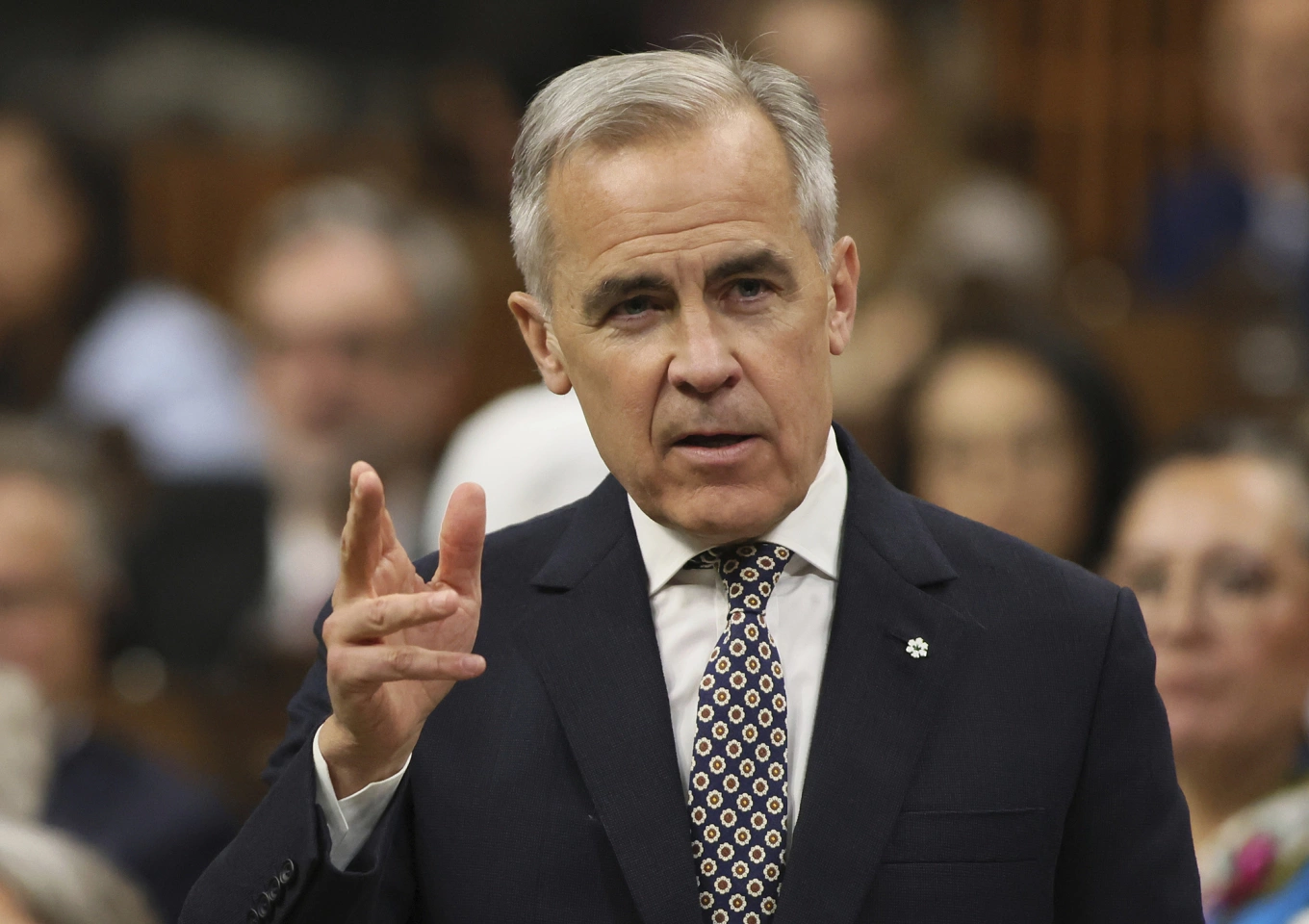
Government critics argued that underfunded public systems may unintentionally shape life-and-death decisions made by vulnerable Canadians.
And as tensions escalated, the debate expanded beyond assisted dying itself.
The same parliamentary session also featured Conservative-backed discussions surrounding parental leave reform and employment insurance flexibility — issues party members framed as part of a broader push to strengthen Canadian families and modernize federal support programs.
Petitioners referenced during debate argued that Canada’s current parental leave framework outside Quebec remains too rigid for many households navigating modern workforce realities.
Suggestions included allowing parents greater flexibility to pause and resume leave while maintaining benefits and pursuing educational opportunities.
Conservatives positioned these proposals as part of a larger political argument: that Ottawa should focus more aggressively on strengthening caregiving structures, supporting families, and reducing pressure on vulnerable populations before expanding controversial end-of-life policies.
Meanwhile, political divisions between Conservatives and Liberals continued sharpening throughout the session.
Conservatives increasingly framed the MAID debate as a question of accountability, institutional responsibility, and protection for vulnerable citizens.
Liberal supporters, however, have generally defended maintaining access to legally protected medical choices for qualifying Canadians while emphasizing autonomy and patient rights.
Outside Parliament, the debate has already spread far beyond political circles.
Disability advocates, veterans’ organizations, faith communities, healthcare professionals, mental health experts, and civil liberties groups have all entered the increasingly emotional national conversation.
Some advocacy groups argue stronger safeguards are urgently needed.
Others fear new restrictions could stigmatize Canadians legally seeking assisted death under existing medical standards.
For Prime Minister Mark Carney’s government, the timing is politically sensitive.
Opposition parties continue intensifying attacks over healthcare administration, affordability concerns, disability supports, housing shortages, and long-term care conditions — all issues now becoming intertwined with the national MAID debate.
Observers note that assisted dying has increasingly evolved into a symbolic battleground representing far larger ideological divisions over the future direction of Canada’s public institutions.

As Bill C-260 moves through Parliament, attention will now shift toward committee review, potential amendments, and whether MPs across party lines will support additional safeguards tied to coercion protections.
What happens next could carry enormous political consequences.
For supporters, the legislation represents a necessary line of defense for vulnerable Canadians navigating difficult circumstances.
For critics, it risks opening the door to new legal uncertainty surrounding rights already protected under Canadian law.
One thing, however, is becoming unmistakably clear:
Canada’s MAID debate is no longer just about healthcare.
It has become a national reckoning over autonomy, poverty, ethics, public trust, and the responsibility of the state toward its most vulnerable citizens.
And with emotions intensifying across the political spectrum, Ottawa’s battle over Bill C-260 appears far from over.






