Something extraordinary is unfolding just 90 miles from the coast of the United States, and many geopolitical analysts now believe the Caribbean may be entering its most dangerous strategic moment in decades. As Cuba struggles through devastating blackouts, collapsing fuel supplies, and growing economic desperation, China has suddenly stepped into the crisis with a dramatic show of support that is sending shockwaves through Washington.

The images arriving from Havana are already spreading across global media. Chinese cargo ships entering Cuban ports. Containers filled with food supplies. Emergency assistance unloading while much of the island sits in darkness for hours every day. For many observers, the symbolism could not be clearer.
While the United States increases pressure on Cuba through sanctions, restrictions, and military positioning, Beijing appears to be quietly building itself into Havana’s most important external lifeline.
And the geopolitical implications are enormous.
According to Cuban officials, the first 15,000 tons of rice from a much larger nearly 60,000-ton Chinese humanitarian shipment has already arrived on the island. The aid comes at a moment when ordinary Cubans are facing some of the harshest economic conditions seen since the collapse of the Soviet Union.

Across large parts of the country, electricity outages are reportedly lasting up to 22 hours per day.
Factories are slowing.
Fuel supplies are collapsing.
Food shortages are intensifying.
Hospitals and public infrastructure are operating under severe strain.
Many Cubans now describe daily life as increasingly unsustainable.
Against that backdrop, the arrival of Chinese support immediately transformed into far more than a humanitarian story.
During public remarks surrounding the deliveries, Miguel Díaz-Canel openly praised China and declared that the “bonds of friendship and cooperation” between Havana and Beijing were becoming stronger during what he described as “crucial times.”
That statement quickly triggered alarm among American foreign policy observers.
Because from Washington’s perspective, this crisis is no longer only about Cuba’s economy.
It is becoming about influence, strategic positioning, and geopolitical competition directly inside America’s traditional sphere of influence.
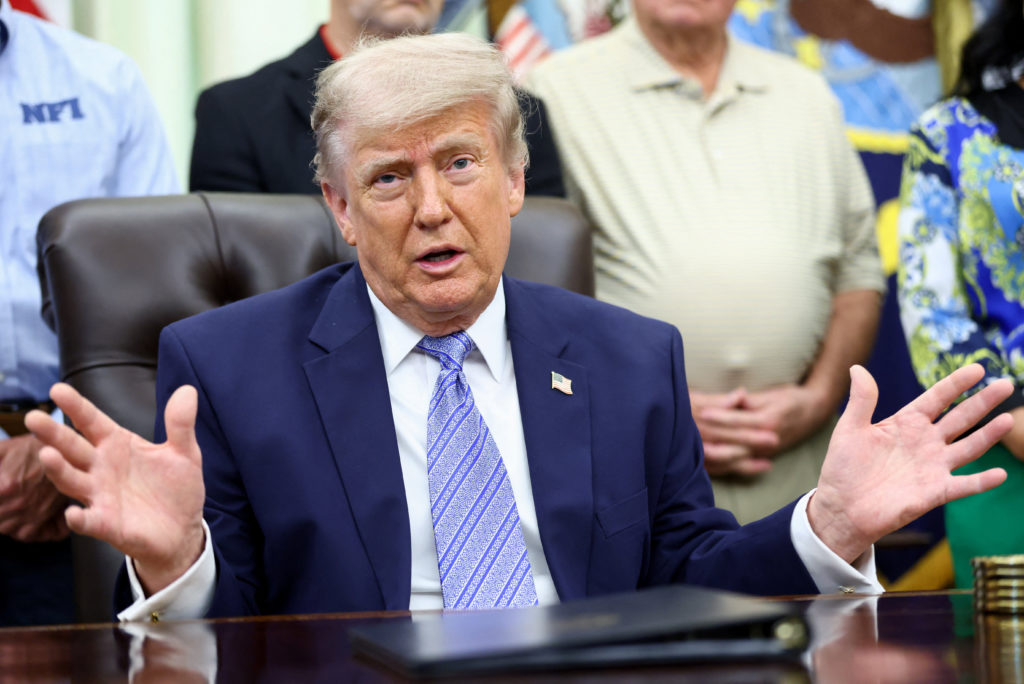
The atmosphere surrounding the crisis intensified even further after Donald Trump reportedly referred to Cuba as a “failed nation” while defending growing American military activity near the island. At the same time, the United States continued tightening sanctions, increasing economic restrictions, and escalating pressure on Havana over alleged links to Russian and Chinese intelligence activity.
American officials increasingly frame Cuba not merely as an isolated authoritarian state, but as part of a wider geopolitical challenge involving Beijing and Moscow.
That framing is now reshaping the entire Caribbean conversation.
But what stunned many analysts most was how China responded.
There were no dramatic military announcements.
No missile deployments.
No naval confrontation.
Instead, Beijing responded with something potentially far more effective.
Food.
Solar infrastructure.
Economic channels.
Energy support.
The exact things Cuba currently needs most desperately to survive.
And unlike military threats, those forms of support are much harder for Washington to counter directly.
Several analysts now argue China may be executing a long-term strategy designed to deepen dependence gradually rather than provoke immediate confrontation. By stepping into Cuba’s economic collapse at the exact moment American pressure intensifies, Beijing gains influence while simultaneously presenting itself as a stabilizing partner rather than an aggressor.
That distinction matters enormously internationally.
Especially across parts of Latin America, Africa, and Asia where many governments increasingly view China as an alternative economic partner capable of challenging American dominance.
Inside Cuba itself, the crisis has reached alarming levels.
Reports indicate fuel reserves are approaching dangerously low thresholds while Russian oil shipments — previously critical for Cuban energy stability — have become increasingly unreliable due to wider geopolitical disruptions and logistical complications tied to sanctions and the Ukraine conflict.
As a result, blackouts are spreading rapidly across the island.
In some regions, businesses operate only a few hours per day.
Transportation systems are struggling.
Food refrigeration is becoming inconsistent.
Public frustration is growing.
The Cuban government has attempted emergency rationing measures, but many experts fear the situation may continue deteriorating if stable energy supplies are not restored quickly.
That is exactly why China’s support suddenly carries such strategic significance.
Beyond the rice shipments, reports suggest Beijing is also assisting Cuba with solar panels, renewable energy infrastructure, and economic mechanisms designed to reduce vulnerability to American sanctions.
Those systems may not solve Cuba’s crisis immediately.
But they could help Havana survive long enough to avoid complete systemic collapse.
And that possibility deeply concerns many officials in Washington.
Because for years, American policymakers assumed sustained economic pressure would eventually isolate Cuba further and potentially force major concessions or political transformation.
Instead, the opposite may now be happening.
The harder Washington pushes, the deeper Havana appears to be moving into China’s orbit.
That dynamic mirrors broader global trends increasingly visible elsewhere.
Across Africa, the Middle East, Latin America, and parts of Asia, China has repeatedly expanded influence not primarily through military intervention, but through infrastructure, loans, trade relationships, energy partnerships, and economic survival mechanisms.
Critics accuse Beijing of using economic dependency strategically to expand political influence.
Supporters argue China simply provides alternatives many countries no longer receive from Western powers.
Either way, the Cuban situation now represents one of the clearest examples yet of that broader geopolitical competition unfolding directly near American territory.
Many analysts are now openly comparing the current Caribbean tensions to earlier Cold War moments.
Not because another Cuban Missile Crisis is imminent, but because major powers are once again competing intensely for strategic influence in the region.
And unlike previous decades, today’s competition is increasingly economic rather than purely military.
That makes the conflict far more complex.
For Washington, aggressively confronting China’s humanitarian and economic support risks making the United States appear hostile while Cuba suffers visible hardship.
But allowing Beijing to deepen its role unchecked could gradually transform China into the dominant external partner inside a country sitting almost directly beside American borders.
That strategic dilemma is becoming harder to ignore.
Meanwhile, global markets and intelligence communities are watching the situation extremely carefully.
If Cuba’s economic system deteriorates further, the consequences could trigger wider migration instability across the Caribbean and southern United States. Increased refugee flows, humanitarian emergencies, and regional economic disruptions could rapidly become major political issues across the hemisphere.
Some experts now fear Cuba may be entering the most fragile phase since the “Special Period” economic collapse following the fall of the Soviet Union.
The difference today is that China is now positioned to potentially replace parts of the support structure Moscow once provided.
And that changes everything geopolitically.
Inside American political circles, debate is intensifying about how to respond.
Some argue stronger sanctions and military pressure remain necessary to counter growing Chinese and Russian influence near U.S. territory.
Others warn the strategy may already be backfiring by accelerating exactly the geopolitical alignment Washington hoped to prevent.
Several foreign policy observers now believe the Caribbean could become one of the next major fronts in the wider global struggle between American and Chinese influence.
Not through open warfare.
But through economics.
Energy.
Trade.
Infrastructure.
And political survival.
For ordinary Cubans, however, the geopolitical chess game feels far more immediate and personal.
Families are enduring endless blackouts.
Food insecurity is worsening.
Fuel lines are growing.
Basic daily life has become increasingly difficult.
That reality explains why the arrival of Chinese aid ships created such powerful emotional reactions across parts of the island.
To many Cubans, the shipments represented not ideology, but survival.
And internationally, the optics are powerful.
As Washington tightens pressure, China arrives carrying food and energy assistance.
That contrast is now shaping global perceptions far beyond Cuba itself.
Whether this crisis stabilizes or escalates remains deeply uncertain.
But one thing is becoming impossible to ignore:
The battle unfolding in the Caribbean is no longer just about Cuba.
It is becoming a high-stakes geopolitical confrontation over influence, power, and strategic control unfolding directly in America’s backyard.
And both Beijing and Washington clearly understand that the consequences could reshape regional politics for years to come.






