CARNEY ERUPTS as SANDRA COBENA Pulls the TRIGGER on His LAVISH Spending
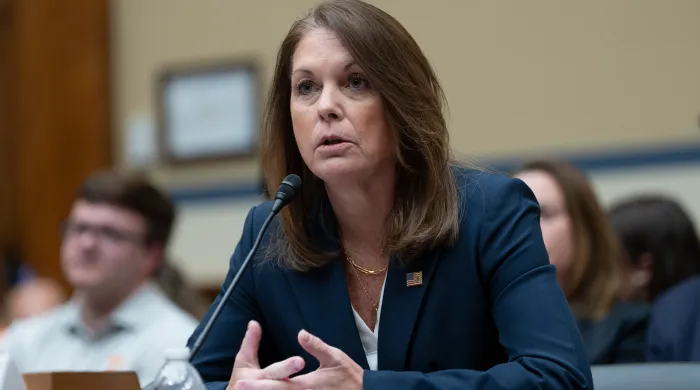
OTTAWA — Conservative MP Sandra Cobena sharply questioned the Liberal government in the House of Commons over $195,000 in in-flight catering expenses billed to taxpayers for three international trips by Prime Minister Mark Carney and his delegation.
The detailed costs, revealed through parliamentary order paper questions, have ignited debate about fiscal restraint at a time of economic strain.
Itemized Expenses Revealed
Documents show that on a trip to London in March 2025, catering costs reached $52,610. Menus included red wine braised beef, pan-seared salmon and luxury items. Similar high-end selections appeared on other flights, including premium Ontario and British Columbia wines.
One two-hour flight to Washington, D.C., generated a catering bill of $21,159.
Government Defense
Liberal ministers defended the spending, arguing that prime ministerial travel brings jobs, investment and international opportunities. They emphasized that delegations require appropriate hospitality to represent Canada effectively on the global stage.
Cobena’s Challenge
Ms. Cobena, who immigrated from Ecuador and previously worked in banking, pressed the government on whether luxury dining was necessary. She highlighted the contrast with Canadian families facing rising food prices and food bank shortages.
She asked if the prime minister could cover such expenses personally rather than on the public purse.
Broader Spending Context
Over a 12-month period, in-flight catering for the prime minister’s aircraft totaled more than $524,000 across 28 flights. Critics, including the Canadian Taxpayers Federation, described the figures as excessive amid record food bank usage and affordability challenges.
Recession Backdrop
The controversy erupted as Canada entered a technical recession, the only G7 country in that position. Opposition members linked the spending to broader concerns about Liberal fiscal management.
Carney’s Image
Mr. Carney campaigned on competence and fiscal responsibility. The revelations have prompted questions about whether his government’s actions match its rhetoric on affordability.
Public Reaction
Many Canadians expressed frustration online, contrasting the luxury catering with everyday struggles over groceries, housing and energy costs. Food Banks Canada recently gave the government a failing grade on addressing hunger.
Political Optics
The timing has amplified criticism. With economic contraction and rising living costs, the itemized luxury expenses have become a symbol for opponents of perceived elite disconnect.
Liberal Response in Parliament
Government house leader responded by highlighting investments and job creation from international trips. Ministers argued that such engagements deliver long-term economic benefits that outweigh the immediate costs.
Cobena’s Background
Ms. Cobena’s pointed questioning reflects her role as a vocal opposition member. Her use of formal parliamentary tools to obtain the data demonstrates standard accountability mechanisms at work.
Fiscal Responsibility Debate
The exchange has reignited debate over government spending priorities. Conservatives argue for tax cuts and reduced regulation, while Liberals defend targeted investments in infrastructure and social supports.
National Debt Context
Canada currently spends over $1 billion weekly on interest payments for the national debt. Critics say this makes high-end catering particularly difficult to justify.
Prime Minister’s Travel
Prime ministerial travel is standard for any leader, but the scale and nature of hospitality have drawn specific scrutiny in this case.
Transparency Questions
The government has released the figures through official channels, but opposition members say the spending itself reflects poor judgment during economic hardship.
Looking Ahead
As Parliament continues, such issues are likely to feature prominently in Question Period. The controversy tests the government’s narrative on economic stewardship at a sensitive moment.
Conclusion
The $195,000 catering bill for three trips has become more than a line item. It has crystallized broader frustrations about affordability, priorities and leadership in a country facing recession.
Whether the government can effectively defend its choices or if the issue continues to erode public confidence remains to be seen.






