Carney’s Economic Optimism Challenged as Canada Enters Technical Recession
OTTAWA — Prime Minister Mark Carney’s recent assertions of strong economic momentum for Canada were quickly undercut by official data showing the country has slipped into a technical recession, intensifying scrutiny of his government’s fiscal policies and messaging on the United States.
In a high-profile speech in New York, Mr. Carney projected confidence, highlighting Canada’s fiscal position and diversification efforts while suggesting a stronger Canada would benefit its southern neighbor.

Growth Claims Undercut
Mr. Carney stated that Canada was on track for the second-fastest growth in the Group of 7 this year and next. However, Statistics Canada reported this week that real GDP contracted in the first quarter, marking two consecutive quarters of decline and meeting the definition of a technical recession.
The agency cited weakness in resource extraction and higher gold imports as factors. Economists had forecasted modest growth.
Fiscal Position Debate
The prime minister has repeatedly touted Canada’s “strongest fiscal position in the G7,” citing cuts to the federal civil service and consultant spending. Critics argue this assessment includes Canada Pension Plan assets, which the federal government cannot legally access for general spending.
They contend the comparison presents a misleading picture of the government’s actual budgetary flexibility.
Investment Targets Questioned
Mr. Carney has spoken of catalyzing $1 trillion in investment over five years and positioning Canada as a top destination for infrastructure. However, venture capital investment in growth-stage companies reportedly reached zero in the first quarter.
Some major firms have cited regulatory uncertainty and political volatility as reasons for hesitation.
Shifting Rhetoric on U.S. Relations
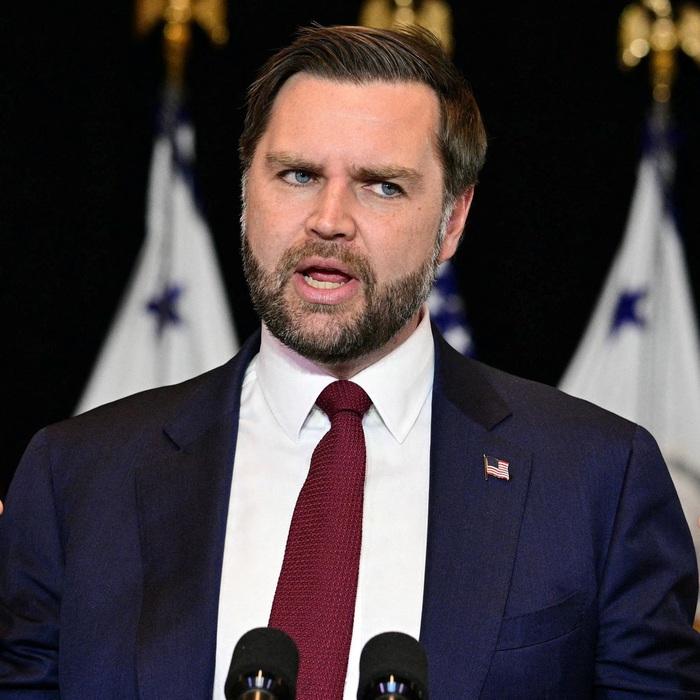
The recession data has amplified scrutiny of Mr. Carney’s evolving comments on Canada’s most important trading partner. In earlier statements, he declared that the “old relationship with the United States is over.” In New York, he struck a more cooperative tone, stating that a stronger Canada would help “make America great again.”
Opposition figures have criticized what they call inconsistencies, arguing it undermines credibility.
Tariffs and Trade Realities
The government maintains that Canada still enjoys the best trade deal with the United States, with 85 percent of goods flowing tariff-free under the existing agreement. Mr. Carney has acknowledged the relationship is evolving but stressed shared supply chains and energy interdependence.
Opposition voices argue ongoing U.S. tariffs on steel, aluminum and autos have hurt Canadian industries and contributed to job losses.
Sovereign Wealth Fund Controversy
Plans for a Canadian sovereign wealth fund have drawn particular criticism. Some analysts view it as a mechanism to backstop risky infrastructure investments using public funds to attract private capital.
Middle-Class Pressures
Many middle-class and lower-income Canadians report continued struggles with affordability. Grocery prices, housing costs and fuel expenses remain significant concerns.
The opposition has linked these pressures to government policies and questioned the pace of regulatory reform.
Alberta Referendum Tensions
Mr. Carney’s comments on Alberta’s planned referendum on separation have further strained relations with the province. He described the process as a “dangerous bluff” and stated that a simple majority would not be sufficient under the Clarity Act.
The remarks drew sharp criticism from Alberta officials and even some Quebec voices, highlighting fractures within the federation.
Defense of Government Record
Mr. Carney’s government points to new trade agreements, participation in European defense initiatives and efforts to reduce reliance on the United States as evidence of successful diversification. Officials argue these steps are necessary for long-term resilience.
Broader Economic Challenges
The technical recession arrives as the government navigates ongoing trade tensions and pursues diversification. The mandatory review of the Canada-United States-Mexico Agreement adds further complexity.
Leadership Under Examination
Mr. Carney entered office with a reputation as a seasoned economist. His ability to reconcile optimistic projections with recent data is now under intense examination.
Opposition leaders continue to press the government on job losses, business departures and the apparent gap between rhetoric and results.
Political Implications
With voters focused on jobs and affordability, the recession represents a significant political challenge. The contrast between Mr. Carney’s New York speech and domestic indicators has become a focal point in parliamentary debate.
Path Forward
The coming months will test whether the government’s strategy of diversification, targeted investments and spending restraint can reverse the downturn. Ongoing tariff negotiations with the United States add urgency.
Uncertain Outlook
Whether recent policy moves can restore momentum remains unclear. The technical recession has left many Canadians questioning the direction of economic policy under Mr. Carney’s leadership.
As the government confronts both domestic headwinds and a complex North American relationship, the gap between rhetoric and results will likely shape political discourse in the months ahead






