Coalition parties outline contrasting justice and economic priorities amid renewed political debate
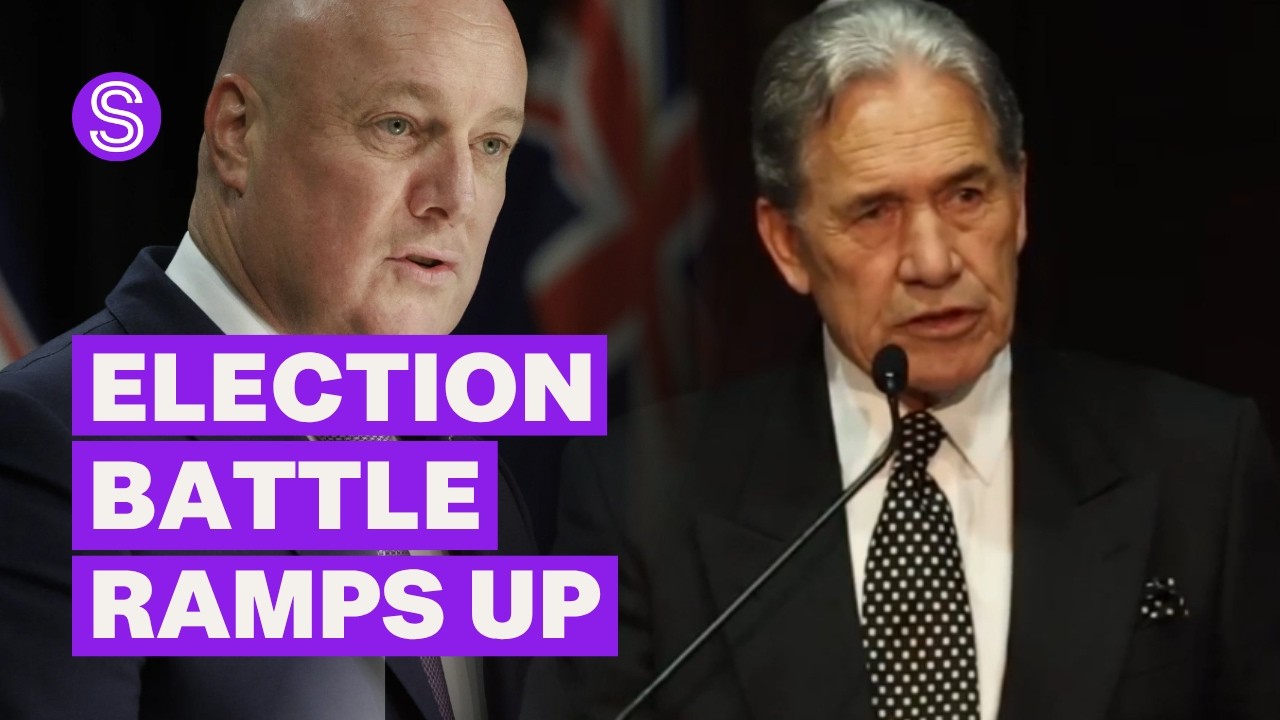
New Zealand First has renewed calls for greater domestic ownership of strategic financial institutions, including a proposal involving the Bank of New Zealand, while the National-led Government has announced plans to remove the use of good character references for certain sex offenders during sentencing processes. The developments have generated political discussion because they involve two distinct but highly sensitive areas of public policy: economic sovereignty and criminal justice reform. Analysts note that both issues are likely to attract significant public scrutiny given their social and political implications.
Prime Minister Christopher Luxon and coalition ministers have indicated that justice reforms remain a priority for the Government as it continues reviewing sentencing practices and public safety measures. At the same time, New Zealand First representatives have continued advocating for stronger domestic control over sectors they consider strategically important to the national economy.


The proposal involving BNZ reflects longstanding political debate in New Zealand regarding ownership of major institutions and national economic control. Supporters of stronger domestic ownership argue that strategic assets and financial institutions should remain more closely connected to national interests. Critics, however, question whether large-scale state involvement in banking would represent an effective or financially practical policy direction. Discussions about ownership frequently re-emerge during periods of economic uncertainty or political transition.
New Zealand First representatives have argued that domestic ownership of key institutions could strengthen economic resilience and national decision-making capacity. Party figures say financial institutions play an important role in shaping economic conditions and that governments should consider how ownership structures influence national priorities. However, detailed implementation mechanisms and funding arrangements connected to any BNZ proposal remain unclear and continue receiving mixed feedback from economic commentators.
Coalition partners within the Government have responded more cautiously to the BNZ discussion. National Party ministers have generally emphasised economic stability, private investment, and fiscal discipline as central policy priorities. While coalition parties often maintain different policy positions under New Zealand’s proportional representation system, analysts note that public disagreements can still attract considerable political attention. Luxon has previously indicated that not every proposal raised within coalition politics necessarily becomes government policy.
At the same time, National’s proposed justice reforms have become a major focus of political discussion. Ministers argue that removing good character references for certain sex offenders would strengthen confidence in sentencing processes and better reflect the seriousness of offending. Supporters of the proposal contend that personal testimonials should not reduce accountability in cases involving significant harm. Government representatives say the reforms are intended to reinforce consistency and public trust within the justice system.
Opposition parties have responded with varying perspectives regarding the sentencing proposal. Some Labour MPs indicated support for examining sentencing processes while also seeking greater detail regarding how reforms would operate in practice. Other opposition representatives argued that changes to sentencing law should be carefully reviewed to ensure fairness, judicial independence, and legal consistency. The debate has therefore spurred discussion among legal experts and victim advocacy groups regarding the balance between accountability and procedural fairness.
Legal commentators note that character references have historically formed part of sentencing considerations across many legal systems. Courts often receive information regarding personal history, community involvement, and broader context when determining sentences. Critics of the Government’s proposal argue that removing such considerations entirely could create complications or unintended consequences in some cases. Supporters, however, maintain that offences involving serious sexual harm warrant a different approach reflecting public expectations around accountability.
Victim advocacy organisations broadly welcomed discussion about reforms designed to strengthen recognition of harm experienced by victims of sexual offending. Some groups argued that existing sentencing processes can appear disconnected from public expectations and may contribute to perceptions of inconsistency. At the same time, legal experts stressed the importance of ensuring any legislative changes remain consistent with broader principles of justice and judicial discretion. As a result, several aspects of the proposal remain under scrutiny.
Political analysts suggest the two policy discussions highlight different strategic priorities within coalition politics. New Zealand First’s BNZ position reflects themes of economic nationalism and domestic control, while National’s justice reforms emphasise law and order and public accountability. Analysts say coalition governments often contain parties seeking to appeal to distinct voter groups while maintaining overall cooperation in government. This dynamic can create both political flexibility and tension.
Public reaction to the proposals has been mixed. Some voters expressed support for stronger sentencing measures involving sexual offending, arguing that reforms are necessary to maintain public confidence in the justice system. Others raised concerns about preserving judicial independence and ensuring reforms are carefully designed. Similarly, views regarding BNZ ownership varied significantly depending on perspectives about state involvement in the economy and foreign ownership.
Business organisations have generally focused more on the BNZ discussion than the justice reforms. Financial sector representatives note that major ownership changes involving banks could influence investor confidence, regulatory frameworks, and broader economic perceptions. Many business groups continue supporting stable and predictable financial policy settings while acknowledging that public debate regarding economic sovereignty remains politically significant.
Political commentators noted that law and order issues frequently become prominent in New Zealand political campaigns because they relate directly to public perceptions of safety and accountability. Governments often seek to demonstrate responsiveness to community concerns through sentencing reforms and criminal justice initiatives. However, legal policy changes can also generate complex debates regarding evidence, effectiveness, and long-term consequences. Analysts expect continued parliamentary scrutiny as details develop further.
Questions also remain regarding how any BNZ proposal would be financed and structured. Economic analysts argue that large-scale state acquisitions of financial institutions would involve substantial fiscal considerations and operational complexity. Supporters of domestic ownership contend that long-term strategic benefits may justify examination of such ideas, while critics argue that government resources may be better directed toward public services and infrastructure investment. These competing perspectives remain unresolved.
Coalition politics is expected to remain under scrutiny as parties continue presenting ideas reflecting their respective political identities. Analysts suggest that visible policy differences do not necessarily indicate instability but can shape public perceptions of leadership and coherence. Luxon’s challenge, according to commentators, involves balancing coalition cooperation while maintaining a clear and consistent government agenda.
Media coverage of the developments has focused heavily on the political implications as well as the policy substance itself. Journalists have examined whether the BNZ proposal represents a serious policy direction or primarily a symbolic political statement. Coverage of the sentencing reforms has concentrated on public safety, legal process, and the broader debate over criminal justice policy. Both issues are expected to remain prominent in parliamentary discussion.
Several implementation questions remain unresolved regarding the sentencing proposal, including the precise legal scope of any restrictions on character references and how courts would apply the changes in practice. Justice officials are expected to provide further advice as legislative work progresses. Stakeholders across the legal sector are likely to continue assessing potential implications for sentencing consistency and judicial discretion.
The broader political significance of the two debates may depend on how voters interpret coalition priorities heading toward the next election cycle. Issues involving public safety, economic sovereignty, and national identity often attract strong emotional and political responses. Parties across Parliament are therefore likely to continue framing these discussions in ways that support wider campaign narratives and policy agendas.
For the Government, the challenge remains balancing coalition diversity with public expectations regarding stability and policy clarity. Ministers continue arguing that their focus remains on practical reforms and economic management. Opposition parties, meanwhile, maintain that several proposals require greater scrutiny and public consultation before significant policy changes occur. These competing approaches are likely to shape political discussion in the months ahead.
Ultimately, the BNZ proposal and sentencing reform discussions illustrate the broad range of issues currently influencing New Zealand politics. Questions about ownership, accountability, justice, and national priorities continue to generate debate across Parliament and the wider public sphere. As details emerge and legislation develops, public attention is expected to remain focused on both the practical outcomes and the political implications of these proposals.






