Congressional Hearing Highlights Canada’s Strategic Role as U.S. Farm Sector Faces Mounting Trade and Fertilizer Pressures

A congressional hearing in Washington intended to address agricultural trade concerns has instead drawn renewed attention to the deep economic links between the United States and Canada, particularly regarding fertilizer supply and farm production. The discussion, centered on testimony from U.S. Trade Representative Jamieson Greer, underscored growing concerns among American lawmakers about the challenges confronting rural communities across the United States.
Members of Congress representing major agricultural regions described a sector facing considerable uncertainty. Farmers are grappling with declining commodity prices, rising diesel expenses, increasing fertilizer costs, and unstable export markets. Several lawmakers stressed that producers are experiencing financial pressure now rather than preparing for challenges that may emerge in the future.
During the hearing, legislators sought reassurance from Greer regarding the administration’s broader trade strategy. His response emphasized long-term objectives, including expanding market access and maintaining export opportunities. However, several lawmakers indicated that producers remain focused on immediate economic realities affecting farm operations throughout the country.
The hearing also highlighted concerns surrounding international agricultural trade. American producers continue to rely heavily on export markets for crops such as corn and soybeans. Participants noted that shifting demand patterns, particularly from major overseas buyers, have intensified competition and placed additional pressure on U.S. agricultural revenues.
Several lawmakers pointed to the growing importance of production costs within the agricultural sector. Fertilizer expenses, in particular, were repeatedly identified as a major source of concern. Testimony during the hearing emphasized that fertilizer remains indispensable to modern farming and that reductions in fertilizer use can significantly affect crop yields and farm profitability.
One of the most significant topics raised was potash, a key component used in fertilizer production. Lawmakers noted that large-scale global potash production is concentrated in relatively few jurisdictions, with Canada playing a particularly important role. The discussion highlighted the extent to which North American agricultural supply chains remain interconnected despite broader trade tensions.
Recent increases in fertilizer prices were cited as an additional burden on producers. Participants noted that rising energy costs, transportation disruptions, and geopolitical instability have contributed to higher input expenses. These developments have complicated planning decisions for farmers already operating with narrow margins.
The hearing further examined how higher fertilizer costs can quickly translate into broader economic consequences. Producers facing increased input expenses often have limited flexibility to reduce costs without affecting production levels. As a result, many farms are confronting difficult financial decisions ahead of future planting seasons.


Questions surrounding supply reliability became a recurring theme throughout the proceedings. Lawmakers acknowledged that the United States continues to depend heavily on imported potash, with Canada serving as a major supplier. The discussion reflected broader concerns about supply-chain resilience during periods of global economic volatility.
Witnesses and legislators also referenced the impact of ongoing international disruptions on fertilizer markets. Rising energy prices and transportation bottlenecks have contributed to tighter global supplies, creating uncertainty for agricultural producers across multiple regions. These conditions have heightened attention on the stability of existing supply relationships.
From a Canadian perspective, the hearing reinforced Canada’s position within North America’s agricultural economy. Saskatchewan’s potash industry was repeatedly referenced as a strategic asset, reflecting Canada’s role as a reliable supplier to both domestic and international markets.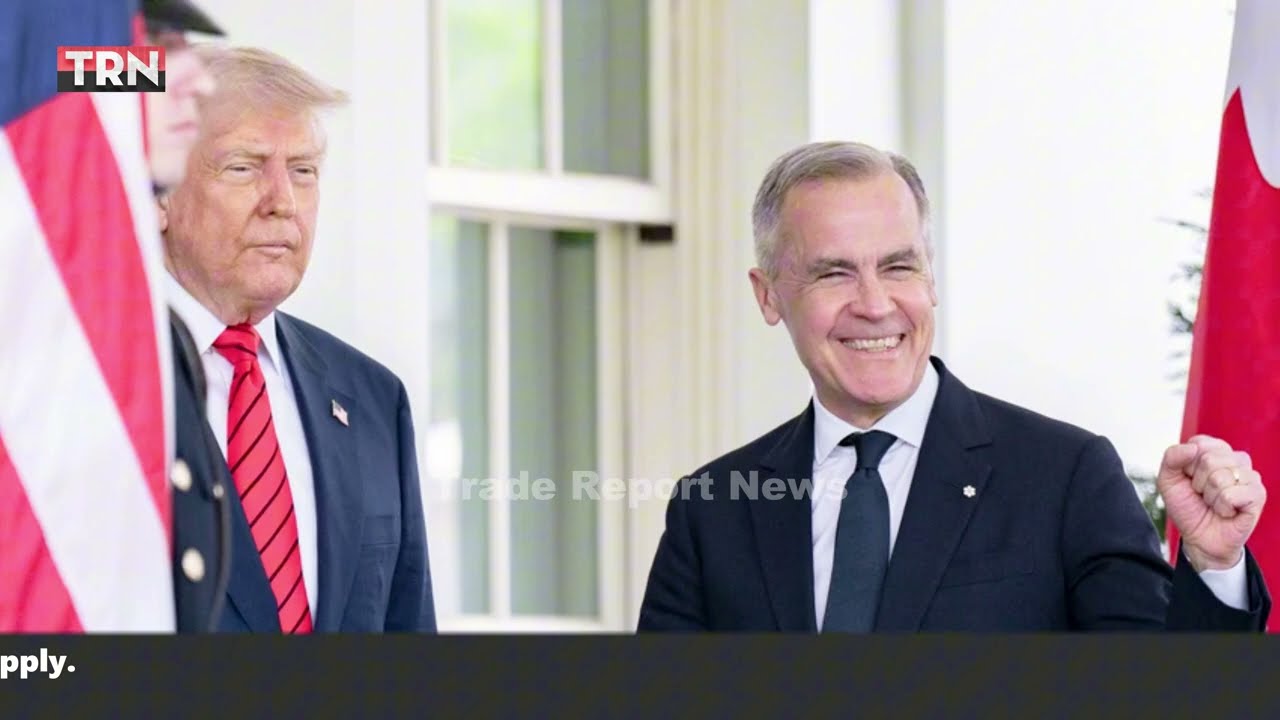
The debate occurred against a wider backdrop of trade tensions affecting multiple sectors. Participants noted that uncertainty surrounding future trade arrangements has complicated long-term planning for businesses and producers alike. These concerns have prompted renewed debate across Canada’s political landscape regarding economic diversification and trade resilience.
Ottawa has increasingly emphasized efforts to expand trade relationships beyond traditional North American markets. According to references made during the broader discussion, the federal government under Prime Minister Mark Carney has pursued stronger economic ties with European and Asian partners while continuing to support domestic industries facing external pressures.
The hearing also touched on difficulties facing American soybean producers. Lawmakers and observers pointed to declining export opportunities and ongoing uncertainty regarding access to key international markets. These developments have raised broader concerns about government accountability and the effectiveness of current trade strategies.
Beyond agriculture, the discussion reflected wider questions about the future direction of North American economic integration. Several participants suggested that businesses continue to evaluate Canada as a stable environment for investment, particularly in sectors linked to natural resources, manufacturing, and critical supply chains.
For Canadian policymakers, such developments have strengthened arguments for reducing dependence on any single trading partner. Federal initiatives aimed at strengthening domestic capacity and diversifying export opportunities have increasingly been framed as long-term strategic priorities.
Political observers noted that the hearing revealed growing recognition within Washington of Canada’s continuing importance to American economic interests. While trade disputes often dominate headlines, the testimony demonstrated how deeply interconnected the two economies remain in critical sectors such as agriculture and resource production.
The exchange also illustrated widening divisions within political discussions surrounding trade policy. Some lawmakers defended tariffs and market intervention as necessary tools for protecting domestic industries, while others argued that such measures may contribute to higher costs for consumers and businesses.
For Canada, the attention generated by the hearing arrives at a moment when Ottawa is seeking to balance economic cooperation with greater strategic independence. Government officials have consistently argued that diversification efforts are intended to strengthen Canada’s resilience rather than diminish bilateral ties with the United States.
As debates continue in both countries over trade, agriculture, and economic competitiveness, the issues raised during the hearing are unlikely to disappear soon. The relationship between Canadian resource suppliers and American producers remains central to continental prosperity, while broader questions about market access, supply security, and economic strategy continue to shape policy discussions. For now, the debate remains unresolved within Canada’s broader political landscape.






