Continued discussion over Luxon’s leadership reflects broader debate about Government performance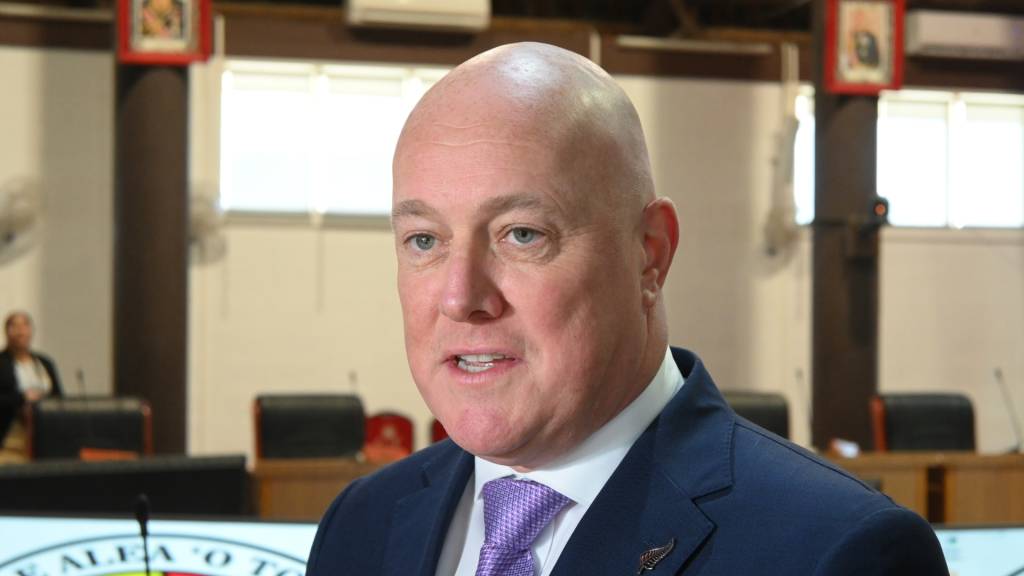
Prime Minister Christopher Luxon remains the subject of ongoing political discussion as commentators, opposition parties, and voters continue assessing the performance of the coalition Government. Debate surrounding leadership has intensified periodically alongside conversations about economic conditions, public services, and electoral prospects. While National Party MPs have consistently expressed confidence in Luxon, political observers note that leadership questions often emerge whenever governments face sustained scrutiny over policy outcomes and public expectations.
National has repeatedly dismissed suggestions of leadership instability. Senior ministers argue that the Government remains focused on delivering results and implementing its programme rather than engaging in political speculation. Coalition representatives maintain that reforms in areas such as economic management, infrastructure, education, and public services require time before their full effects can be measured.


Political analysts suggest that discussions about leadership frequently reflect broader concerns regarding government performance rather than questions about an individual leader alone. Prime ministers are often viewed as the public face of their administrations and therefore become closely associated with both achievements and challenges. As a result, scrutiny of leadership can increase during periods when major policy issues remain under public examination.
Opposition parties have continued challenging the Government on affordability, healthcare, housing, and public service delivery. Labour leader Chris Hipkins argues that many New Zealanders remain concerned about living costs and access to services. Government ministers reject those criticisms and maintain that progress is being made through ongoing reforms and targeted investments.
Economic management remains one of the most important areas influencing political perceptions. The Government argues that fiscal discipline and long-term planning are necessary to strengthen economic stability and support growth. Opposition parties contend that many households continue experiencing financial pressures despite broader economic improvements. These competing interpretations continue shaping political debate.
Analysts note that leadership discussions often become more prominent when polling indicates a competitive political environment. However, political scientists caution that opinion surveys should be interpreted carefully and viewed alongside longer-term trends. Polling can influence media narratives and political commentary, but it does not necessarily determine future electoral outcomes or internal party decisions.
Healthcare continues to be an area receiving significant attention. Opposition MPs argue that workforce shortages and service pressures remain concerns across parts of the health system. Government representatives point to funding commitments and reform programmes designed to improve outcomes. Health sector stakeholders have offered mixed feedback, welcoming some initiatives while identifying ongoing challenges.
Housing affordability also remains under scrutiny. The Government maintains that planning reforms, infrastructure investment, and broader economic stability will support improvements over time. Opposition parties argue that affordability pressures continue affecting many New Zealanders. Housing experts generally agree that meaningful changes often require long-term policy consistency and sustained implementation.
Political commentators suggest that Luxon’s leadership is frequently evaluated through the lens of policy delivery. Voters tend to assess prime ministers based on perceived competence, communication, and outcomes rather than political narratives alone. Consequently, discussions about leadership often rise and fall according to developments in key policy areas.
Within National, public statements have remained consistent. Ministers and MPs continue expressing support for Luxon and emphasise the Government’s focus on implementation. They argue that speculation about leadership distracts from substantive debates regarding economic growth, infrastructure projects, healthcare reform, education policy, and public sector performance.
The Opposition sees opportunities to keep pressure on the Government by highlighting areas where public concerns remain significant. Labour and other opposition parties argue that continued scrutiny is appropriate given the challenges facing households and public services. Government representatives respond that criticism should be assessed against practical alternatives and realistic fiscal constraints.
Coalition politics adds another dimension to the discussion. Under New Zealand’s Mixed Member Proportional electoral system, public assessments of governments are often influenced by the performance of coalition partners as well as the prime minister. Analysts note that broader coalition dynamics can affect perceptions of leadership and stability.
Business organisations continue monitoring government policy closely. Industry groups generally emphasise the importance of certainty, infrastructure investment, workforce development, and economic stability. While many support aspects of the Government’s approach, others advocate further action in specific areas. Their feedback contributes to wider discussions regarding policy effectiveness.
Media attention has played a role in sustaining discussion about leadership and government performance. Coverage of polling, policy announcements, parliamentary debates, and economic developments often shapes how political issues are understood by the public. Analysts note that increased media focus can amplify existing debates without necessarily indicating significant political change.
Questions remain regarding how public sentiment may evolve over the coming months. Economic developments, policy outcomes, international events, and electoral campaigning all have the potential to influence voter attitudes. Political scientists caution against assuming that current discussions will continue indefinitely without considering future developments.
The Government continues arguing that policy delivery remains the most important measure of success. Ministers say that many reforms are still in progress and that their effectiveness should be judged over time. Opposition parties maintain that voters are entitled to assess current outcomes and raise concerns where improvements are not yet evident.
Leadership evaluations are expected to remain a feature of political commentary as the next election approaches. Analysts note that voters often reassess political leaders throughout a parliamentary term, particularly when economic conditions and public service performance remain major concerns. This process is considered a normal part of democratic accountability.
For National, the challenge is demonstrating that its policies are producing tangible results while maintaining public confidence. For the Opposition, the objective is to persuade voters that alternative approaches may better address existing concerns. These competing goals are likely to drive political strategy in the period ahead.
Ultimately, ongoing discussion about Luxon’s leadership reflects wider questions about Government performance, policy delivery, and voter expectations. While National continues to publicly support its leader, opposition parties and commentators remain focused on assessing outcomes across a range of policy areas. The debate is likely to continue as long as those issues remain central to New Zealand politics.






