The warning signs are flashing red across the United States economy, and one of the world’s most respected credit rating agencies has just issued a stark alert. Moody’s top economist has reportedly raised the probability of a U.S. recession to 48% — the highest level in years — as cracks spread rapidly through multiple sectors and entire industries slow to a crawl. What was once dismissed as a soft landing scenario is now looking increasingly fragile, with analysts warning that the combination of policy decisions, global headwinds, and weakening domestic demand could push the world’s largest economy toward a dangerous turning point faster than many expected.
The numbers are sobering. After years of post-pandemic recovery fueled by massive fiscal stimulus and loose monetary policy, the U.S. economy is showing clear signs of strain. Consumer spending, which has been the backbone of American growth, is beginning to falter under the weight of high interest rates, persistent inflation in key areas, and growing uncertainty about the future. Businesses are cutting back on investment, hiring freezes are becoming more common, and layoffs are quietly spreading beyond the technology sector that dominated headlines in previous years.
Even more concerning is the uneven nature of the slowdown. While some sectors continue to show resilience, others are already contracting. Healthcare remains one of the only major industries still hiring at a steady pace, driven by an ageing population and ongoing demand for medical services. This divergence has created a strange economic landscape where certain pockets of strength exist alongside widespread weakness. Manufacturing, retail, and construction have all reported slowing activity, with many companies citing higher borrowing costs and cautious consumers as key factors.
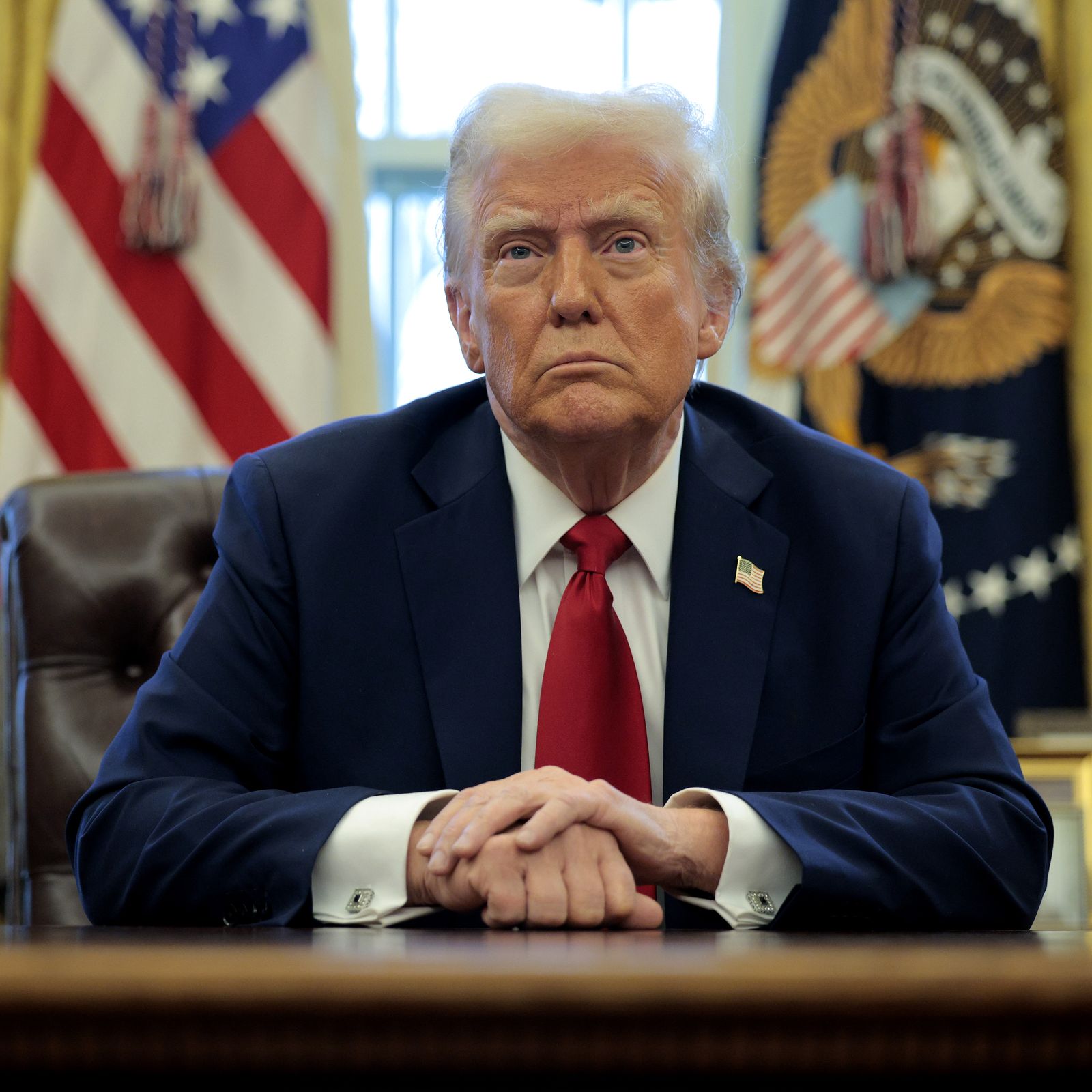
Rising tariffs and stricter immigration policies are also playing a significant role in the current environment. The Trump administration’s aggressive approach to trade and border control has created both opportunities and risks. While intended to protect American workers and reduce reliance on foreign supply chains, these measures have increased costs for businesses and consumers alike. Supply chain disruptions, higher input prices, and labor shortages in certain industries are adding fuel to inflationary pressures at a time when the Federal Reserve is trying to engineer a delicate soft landing.
Critics argue that mainstream headlines have been downplaying the real damage happening behind the scenes. Official unemployment figures remain relatively low, but broader measures of labor market health — including underemployment and workforce participation rates — tell a more concerning story. Small businesses, which employ the majority of Americans, are reporting record levels of financial stress. Many are struggling with higher operating costs, difficulty finding workers, and weakening demand from cost-conscious consumers.
The Moody’s warning comes at a particularly sensitive time. With the U.S. economy still carrying heavy debt loads from the pandemic era and facing structural challenges such as an ageing population, declining birth rates, and geopolitical tensions, the margin for error is shrinking. Economists are increasingly divided on whether the current slowdown is a temporary adjustment or the beginning of something more serious. Some believe aggressive monetary policy and fiscal support can still steer the economy toward stability, while others warn that the combination of high interest rates, policy uncertainty, and weakening global demand could trigger a recession that proves difficult to contain.
The healthcare sector’s relative strength is both a blessing and a warning sign. While continued hiring in healthcare provides some stability to the overall employment picture, it also highlights the uneven recovery. Many other sectors that traditionally drive broad-based growth — such as manufacturing, retail, and professional services — are pulling back. This sectoral imbalance could create long-term challenges for workforce development and economic mobility if not addressed.
Immigration policy changes have added another layer of complexity. Stricter enforcement and reduced legal immigration have tightened labor markets in industries that rely heavily on foreign workers, from agriculture and construction to hospitality and technology. While supporters argue these measures protect American wages and reduce strain on public services, businesses report difficulty filling positions and increased operational costs. The resulting labor shortages are contributing to inflationary pressures and slowing growth in key sectors.
Tariff policies have similarly created mixed effects. While intended to bring manufacturing jobs back to the United States and reduce dependence on foreign suppliers, they have raised costs for consumers and businesses that rely on imported components. Supply chain reconfiguration takes time, and in the short term, many companies are absorbing higher costs or passing them on to customers. This dynamic is contributing to the broader sense of economic unease that Moody’s and other analysts have highlighted.
The political dimension of these economic challenges cannot be ignored. With midterm elections approaching and both parties positioning themselves for advantage, economic messaging has become highly charged. The administration points to strong employment numbers and wage growth in certain sectors as evidence of successful policies, while critics highlight slowing growth, rising costs, and policy missteps as signs of deeper problems. This partisan divide makes it difficult for the public to get a clear picture of the economy’s true health.
What comes next could hit millions of Americans hard. A full-blown recession would bring job losses, reduced investment, and increased financial stress for households already stretched thin. Even a mild downturn could exacerbate existing inequalities and create long-term scars in the labor market. The Federal Reserve faces a difficult balancing act as it tries to control inflation without triggering a deeper slowdown. Markets are watching closely for any signals of policy shifts or emergency measures.
The Moody’s warning serves as a wake-up call for policymakers, businesses, and ordinary citizens alike. The U.S. economy has shown remarkable resilience in recent years, but the accumulation of risks — from high debt levels and policy uncertainty to global fragmentation and demographic challenges — suggests that the margin for error is narrowing. How leaders respond in the coming months will determine whether the economy can navigate these headwinds successfully or whether the risks materialise into a more serious downturn.
For now, the economic outlook remains uncertain. While some indicators point to continued resilience, the combination of slowing growth, sectoral imbalances, and policy risks creates a volatile environment. The coming quarters will be critical in determining whether the U.S. economy can achieve a soft landing or whether the warning signs were pointing to something more dangerous.
Americans are watching closely as their leaders navigate these challenges. The stakes are high, and the decisions made today will shape the economic reality for years to come. As the debate intensifies, one thing is clear: the era of easy growth and predictable policy outcomes may be behind us, and the country must prepare for a more complex and challenging economic landscape ahead.
The question now is not whether risks exist, but how effectively America can manage them in an increasingly uncertain world. The coming months will provide important answers — and potentially difficult lessons — for policymakers, businesses, and citizens alike.






