EU MADNESS! NEW CO₂ RULES BANISHED SOON, MANY FOLLOWERS – 70,000 JOBS AT RISK
The debate surrounding the European Union’s climate policy has reached a new level. While Brussels considers the decarbonization of the transport sector a key prerequisite for achieving European climate targets, resistance to new regulations is growing in numerous industries.
The latest regulations affecting the trailer and semi-trailer industry, in particular, are causing considerable unease. Industry representatives warn of rising costs, declining competitiveness, and the potential loss of tens of thousands of jobs.
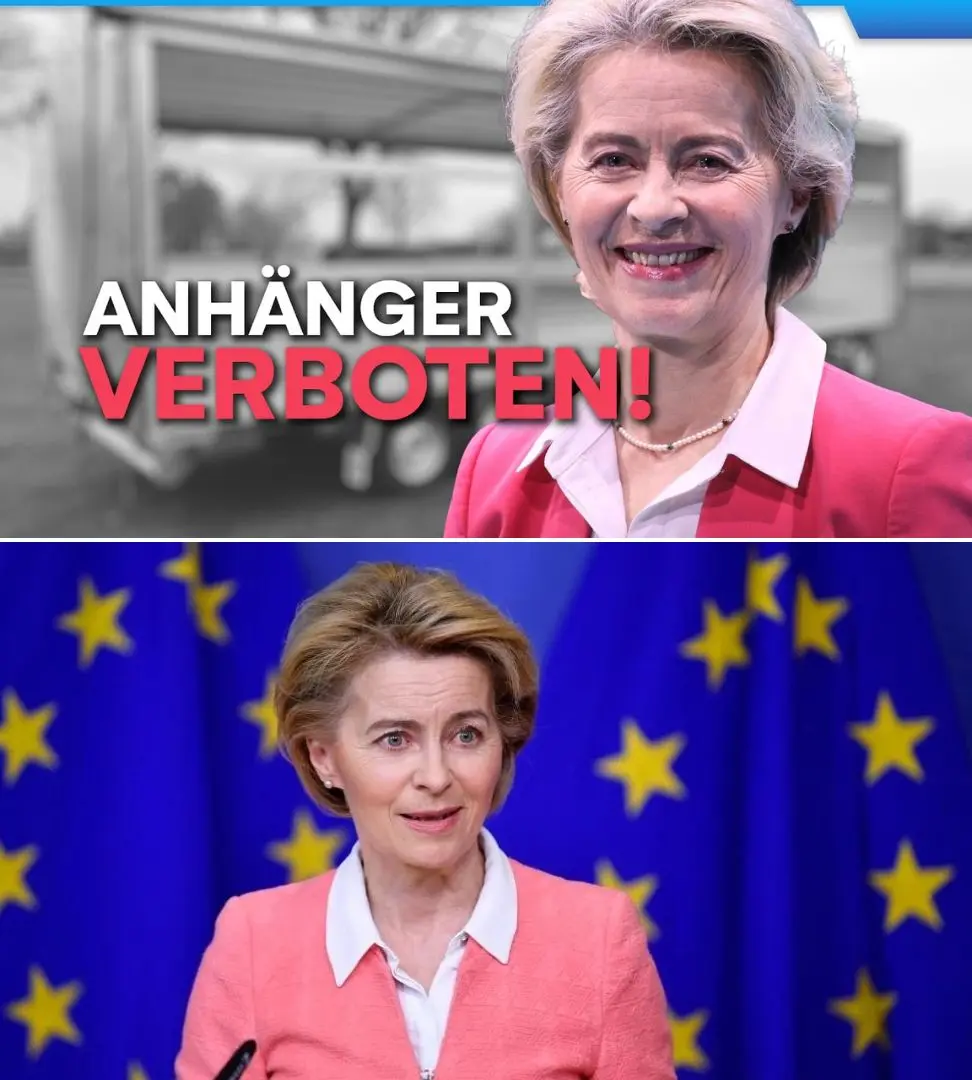
At the heart of the debate are new CO₂ regulations, which many companies believe will even affect vehicles without their own engine. This development seems contradictory to numerous manufacturers. After all, conventional trailers do not produce direct emissions. Nevertheless, they are to be subject to stricter requirements in the future, which could necessitate significant technical modifications and additional investments.
The European trailer industry is a major supplier to the transport and logistics sector. A wide variety of models are produced in numerous member states, including horse trailers, construction trailers, specialized vehicles for tradespeople, and classic semi-trailers for freight transport. Many of these products are specifically tailored to the needs of small and medium-sized enterprises.
These very companies now face an uncertain future. Industry associations argue that the new regulations could lead to a drastic increase in production costs. Higher development costs, new technical requirements, and additional bureaucratic procedures would ultimately be passed on to customers. For many businesses, this could mean that necessary investments are postponed or canceled altogether.
The situation is considered particularly critical for smaller manufacturers. Large corporations often have extensive research and development departments as well as greater financial reserves. Medium-sized companies, on the other hand, frequently have significantly less flexibility. Industry representatives are therefore warning that numerous family businesses could lose their competitiveness under the pressure of new requirements.
However, the concern is not limited to the manufacturers themselves. Suppliers, workshops, logistics companies, and numerous other businesses along the value chain could also be affected. Estimates from industry circles suggest that up to 70,000 jobs could come under pressure in the medium to long term if the economic burdens materialize to the expected extent.

The debate is further fueled by the existing shortage of skilled workers in the transport sector. According to various industry associations, there is a significant lack of drivers for freight transport across Europe. Companies have been struggling with staff shortages and rising operating costs for years. Against this backdrop, new regulatory burdens are causing additional discontent.
Critics argue that policymakers have lost sight of the practical realities of many businesses. While political decision-makers point to long-term climate goals, companies must already be economically viable today. For many business owners, the issue is not a fundamental rejection of environmental and climate protection measures, but rather how quickly and to what extent new regulations can be implemented.
The planned financial consequences are also being hotly debated. Calculations circulating within the industry suggest that substantial additional costs per vehicle could arise from 2030 onwards. Companies fear that such burdens could significantly reduce demand for certain vehicle types. At the same time, there is growing concern that European manufacturers could fall behind competitors from other parts of the world.
The dispute has now reached the legal arena. Several companies and industry organizations from various European countries have initiated or announced legal action. They argue that certain regulations are disproportionate and fail to adequately consider the trailer industry’s actual contribution to emissions. These proceedings could continue for years to come.
On the other hand, proponents of the new regulations emphasize that all sectors of the transport industry must contribute to achieving climate goals. Modern trailers, for example, could help reduce the energy consumption of towing vehicles through improved aerodynamics, reduced weight, and innovative technologies. From this perspective, new standards are an important incentive for innovation and technological advancements.
It is precisely at this point that two opposing viewpoints clash. While environmental policymakers highlight the long-term benefits, companies point to the immediate economic challenges. Both sides fundamentally acknowledge the importance of a sustainable transport sector, but differ significantly in their assessment of the chosen path.
Many business owners are now questioning the feasibility of planning. Investment decisions are often made for periods of ten or twenty years. When regulatory frameworks change drastically in a short time, uncertainty increases. Some companies are already reporting more cautious investments and more prudent personnel planning.

Customers are also closely monitoring developments. Logistics companies themselves are under considerable cost pressure. Rising energy prices, higher labor costs, and increasing documentation requirements are putting a strain on many businesses. Additional costs for new vehicles could ultimately be felt throughout the entire supply chain.
Economic experts point out that Europe is facing increasingly intense global competition. The industrial base of many member states is considered a crucial factor for growth, innovation, and employment. Therefore, there is intense debate about how to reconcile climate protection with economic competitiveness.
In several countries, political representatives have already announced their intention to closely monitor the impact of the new regulations. Some are calling for transitional periods, exemptions, or targeted support programs for affected companies. Others are advocating for a fundamental overhaul of individual regulations to avoid economic disadvantages.
The coming years are likely to be crucial. If the industry succeeds in introducing new technologies while remaining competitive, the fears of many critics could be less pronounced than currently anticipated. However, if the burdens prove to be greater than expected, the debate on European climate policy could intensify further.
One thing is already clear: the new CO₂ regulations for trailers are far more than a technical detail. They exemplify a fundamental conflict affecting numerous industries in Europe: How can ambitious climate targets be achieved without jeopardizing economic stability, jobs, and industrial competitiveness?
While politicians, companies, associations, and courts continue to debate the right balance between environmental policy and the economy, thousands of employees in the sector are anxiously awaiting the upcoming decisions. The future of the European trailer industry could depend significantly on whether a compromise is reached that considers both ecological and economic interests.
The debate is far from over. Rather, it is likely to become one of the most important economic policy issues of the coming years – with potential impacts on businesses, workers and consumers throughout Europe.






