Europe BEGS for Canadian Aluminum — Trump’s 50% Tariff Just Handed It All Away
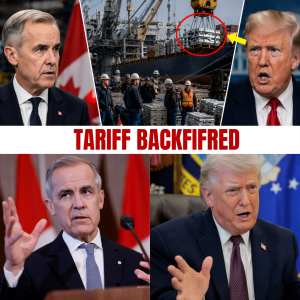
NEW YORK — When President Donald J. Trump imposed a 50 percent tariff on Canadian aluminum in the spring of 2025, the stated goal was to protect American industry and pressure Canada amid broader trade disputes.
The policy, however, produced the opposite effect. Instead of forcing Canadian producers to capitulate, it accelerated a major redirection of supply chains. Canadian aluminum, once overwhelmingly destined for the United States, began flowing to Europe in unprecedented volumes.

A Pivotal Shift
Canada is the world’s fourth-largest primary aluminum producer, generating about 3.3 million tons annually. Its industry benefits from abundant, low-cost hydroelectric power in Quebec, giving it one of the lowest carbon footprints among major producers.
Before the tariffs, roughly 70 to 85 percent of Canadian aluminum exports went to the United States. That deeply integrated relationship, built over decades, was upended almost overnight.
Redirected Flows
By the second quarter of 2025, major producers such as Alcoa and Rio Tinto reported significant shifts. Alcoa redirected more than 100,000 tons originally bound for the U.S. to other markets. Rio Tinto’s Sept-Îles smelter increased shipments to Europe from 4 percent to 57 percent of its output in just three months.
Trade data confirms the trend. Canadian aluminum exports to the European Union surged 276 percent from 2024 levels, exceeding 590,000 tons in the months before the Iran conflict intensified.
War Amplifies Crisis
The escalation of conflict in the Middle East in early 2026 compounded the problem. The region accounts for about 9 percent of global aluminum production, much of it exported. Disruptions in the Strait of Hormuz and direct strikes on smelters in Bahrain and the UAE took up to 3 million tons of capacity offline.
Europe, already facing a structural deficit of 5.6 million tons in 2026 according to some analysts, turned decisively to Canada. The timing could not have been more advantageous for Canadian producers.
Europe’s Carbon Advantage
The European Union’s Carbon Border Adjustment Mechanism, which entered its full phase in 2026, heavily penalizes high-emission imports. Canadian aluminum, produced primarily with renewable hydroelectric power, faces minimal charges, creating a decisive competitive edge.
This structural advantage, combined with established supply relationships forged during the tariff-driven diversion, has made Canada Europe’s preferred low-carbon aluminum supplier.

American Manufacturers Pay the Price
The United States, by contrast, is struggling. Domestic production capacity stands at just 1.36 million tons annually, with actual output around 680,000 tons. The country relies heavily on imports, previously dominated by Canadian supply.
The Midwest premium — the additional cost American buyers pay for domestic delivery — has soared to record highs above $2,182 per ton. All-in prices for some buyers now exceed $5,340 per ton.
Policy Backfire
The tariff, intended to shield American industry, instead pushed a reliable, low-cost supplier toward Europe. Analysts say even if all idled U.S. smelters restarted, they could cover only about 15 percent of the current supply gap.
New capacity is years away, and electricity costs in the United States remain significantly higher than in Canada.
Long-Term Realignment
The Middle East disruptions may eventually ease, but trade flows set in motion by the tariff are unlikely to reverse quickly. Canada now has long-term contracts, logistics infrastructure and a carbon advantage in the European market.
European buyers have little incentive to return fully to previous sourcing patterns, especially with the ongoing global supply tightness.
Economic Consequences
American manufacturers in sectors ranging from automotive parts and beverage cans to construction and aerospace are absorbing sharply higher costs. Some have passed these on to consumers, while others have reduced output.
The policy has also strained downstream industries that depend on affordable aluminum inputs, contributing to broader inflationary pressures.
Strategic Lessons
The episode illustrates the risks of using tariffs against deeply integrated supply chains. What began as a tool of economic pressure has instead strengthened a competitor’s position in a critical global market.
Europe has gained a stable, low-carbon supply source at a moment of acute need. The United States faces higher costs and reduced options.
Canada’s Position
For Canada, the redirection has provided new revenue streams and reinforced its role as a reliable supplier of responsibly produced metals. The government has highlighted these developments as evidence of successful diversification.
Unresolved Questions
As the Iran conflict continues and global aluminum markets remain tight, questions linger about the long-term impact of the tariff decision. American officials have not publicly addressed the scale of the supply shift or its consequences for domestic industry.
Broader Trade Context
The aluminum saga fits into a larger pattern of trade policy decisions that have reshaped North American economic relationships. As both countries navigate complex global challenges, the cost of disrupted integration is becoming increasingly apparent.
For American manufacturers and consumers, the price of that disruption is now being paid at the factory gate and the checkout counter.






