Europe BEGS for MORE Canadian Aluminum — Trump’s Tariff Backfire Just Got WORSE
MONTREAL — When the Trump administration imposed escalating tariffs on Canadian aluminum, officials in Washington expected to shield domestic industry and pressure Ottawa. The actual result has been a rapid redirection of supply chains that has strengthened Europe’s position while leaving American manufacturers facing record costs.
The policy’s consequences continue to unfold across global markets.
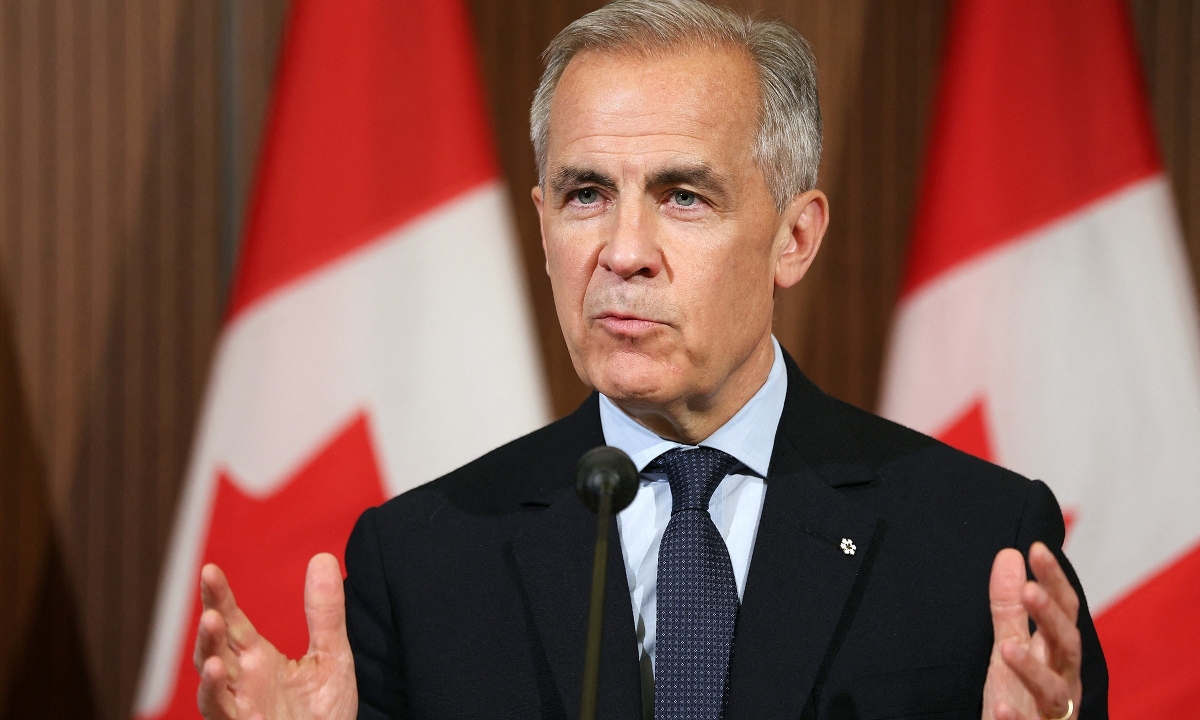
Tariff Escalation
In March 2025, the United States reimposed a 25 percent tariff on Canadian aluminum under national security provisions. By June, that rate had doubled to 50 percent, removing previous exemptions for allies. Canada, historically the source of roughly 75 percent of U.S. aluminum imports, suddenly confronted significant economic barriers to its largest customer.
Supply Chain Realignment
Canadian producers responded swiftly by pivoting to European markets. Quebec, which accounts for the vast majority of Canada’s aluminum smelting capacity, saw dramatic changes in export patterns. In the first quarter of 2025, nearly 95 percent of Quebec’s output headed to the United States. By the second quarter, that share had fallen to 78 percent, while shipments to Europe surged.
Major producers including Alcoa and Rio Tinto diverted substantial volumes. Alcoa reported redirecting more than 100,000 metric tons originally bound for the U.S. to other destinations. The Alouette smelter increased its European shipments from 4 percent to 57 percent of production in a single quarter.
Europe Seizes Opportunity
European buyers moved aggressively to secure the redirected Canadian metal. The shift was driven by superior netback prices after tariffs and logistics. European premiums offered Canadian sellers better returns than the tariff-burdened U.S. market.
The European Union, already facing its own structural shortages, benefited from Canada’s low-carbon aluminum produced primarily with hydroelectric power.
U.S. Manufacturers Pay the Price
The United States has limited domestic aluminum production, with only a handful of active smelters meeting roughly one-third of national demand. The tariffs reduced access to Canadian supply without a rapid domestic replacement. As a result, the U.S. Midwest premium — the additional cost paid by American buyers — reached record highs above $2,182 per metric ton in early 2026.
All-in costs for U.S. manufacturers climbed above $5,340 per ton, significantly higher than what European competitors paid.
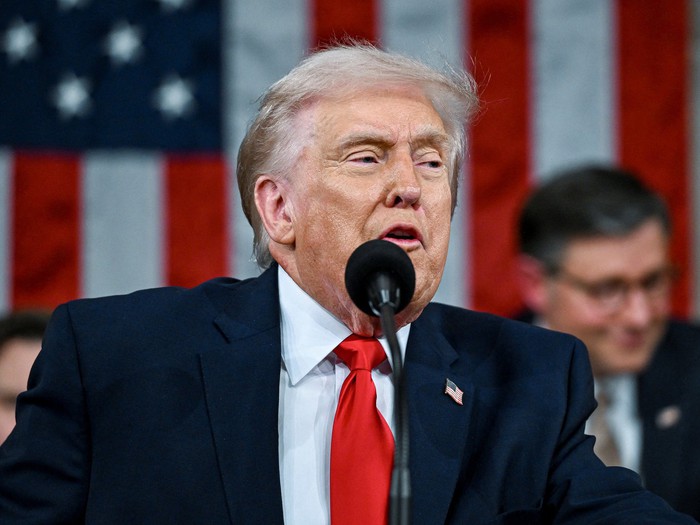
Middle East Conflict Compounds Shortage
The situation worsened with the outbreak of conflict in the Middle East. Disruptions in the Strait of Hormuz and damage to Gulf smelters reduced global supply. The region accounts for about 9 percent of world aluminum production, much of it exported.
Europe, already confronting a projected 5.6 million ton deficit in 2026, turned even more decisively to Canadian sources. The war accelerated a redirection that tariffs had already begun.
Policy Outcome
The tariffs, intended to revive American aluminum production, instead pushed a reliable, low-carbon supplier toward Europe. U.S. manufacturers now compete globally against rivals benefiting from cheaper Canadian metal. Analysts note that even reactivation of idled U.S. smelters would address only a fraction of the gap. New capacity remains years away.
Economic Ripple Effects
Higher aluminum prices affect downstream sectors including automotive, aerospace, packaging and construction. Historical patterns suggest a large portion of premium increases eventually passes through to consumers.
For Canada, the pivot has created new revenue streams and reduced vulnerability to U.S. market fluctuations.
Long-Term Trade Shifts
Canadian exports to the European Union have risen sharply, ranging between 6 and 40 percent of monthly totals in recent periods compared with near zero previously. Established contracts and logistics relationships are likely to endure beyond any near-term policy adjustments.
Strategic Implications
The episode highlights the risks of disrupting deeply integrated North American supply chains. Canada has emerged as a more diversified player, strengthening its role as a supplier of responsibly produced aluminum.
European buyers have gained access to stable, low-carbon supply at a critical moment of global shortage.
U.S. Industry Pressure
American manufacturers in key sectors are absorbing elevated costs while competing against European rivals with better access to Canadian metal. The Midwest premium, now representing more than 40 percent of total metal cost in some cases, stands as a direct outcome of the tariff policy.
Future Considerations
With the USMCA renegotiation approaching, there may be diplomatic opportunities to revisit aluminum tariffs. However, new trade flows and established European contracts could limit rapid reversal.
Canada’s aluminum industry, powered by abundant hydroelectricity, has positioned itself as a resilient global supplier amid ongoing market volatility.
The tariff policy, designed to protect American industry, has instead contributed to higher costs for U.S. manufacturers and a lasting realignment in international aluminum trade.
Broader Context
As global energy and material supply chains face continued disruption, Canada’s ability to serve as a stable alternative supplier has gained strategic importance. The developments underscore how trade measures can produce unintended consequences that reshape alliances and market dynamics for years.






