EXPLOSIVE EXCHANGE: JD Vance Confronts Keir Starmer on UK Immigration
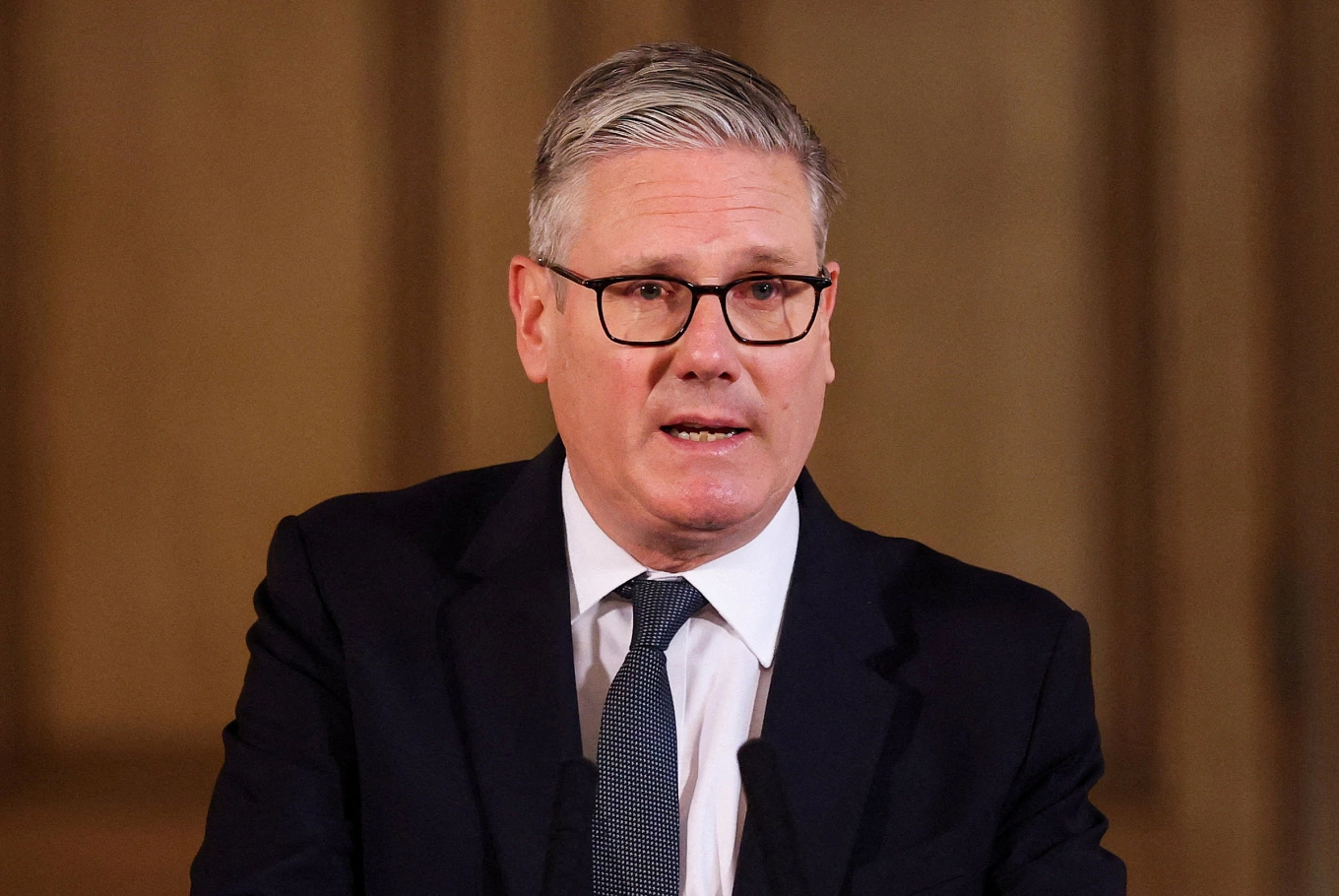
LONDON — Vice President JD Vance sharply challenged British Prime Minister Keir Starmer on Britain’s immigration policies during a high-profile bilateral meeting, turning what was expected to be a routine diplomatic discussion into a pointed debate over border control and national sovereignty.
The exchange highlighted deepening transatlantic differences on migration at a moment when the issue is reshaping politics on both sides of the Atlantic.

Clash of Perspectives
Mr. Vance pressed Mr. Starmer on the scale of legal and illegal immigration into the United Kingdom, questioning its impact on housing, public services and social cohesion. The vice president argued that unchecked migration strains resources and alters the character of communities.
Mr. Starmer defended his government’s approach, emphasizing legal pathways, economic contributions from immigrants and Britain’s humanitarian obligations.
Broader Context
The confrontation comes amid rising public anxiety across Europe and North America over migration levels. In Britain, concerns about housing shortages, pressure on the National Health Service and wage competition in certain sectors have fueled political debate.
Similar tensions are visible in the United States, where immigration remains a central dividing line in national politics.
Economic Pressures
Critics of high immigration levels argue that rapid population growth exacerbates housing shortages and infrastructure strain. Supporters counter that immigrants fill critical labor gaps, contribute to economic growth and support aging populations through taxes and consumption.
The Vance-Starmer exchange underscored how these competing economic arguments now dominate discussions between allies.
National Identity Questions
Beyond economics, the debate touched on deeper questions of national identity and cultural integration. Mr. Vance suggested that large-scale migration without strong assimilation policies risks eroding social trust.
Mr. Starmer maintained that Britain’s strength lies in its diversity and that successful integration remains possible with proper policies.
Timing and Significance
The exchange occurs as both countries face domestic political headwinds. In Britain, the Labour government is under pressure to deliver on promises to reduce small boat crossings in the English Channel. In the United States, the Trump administration has prioritized stricter border enforcement.
Observers see the Vance-Starmer meeting as part of a larger conversation about the future direction of Western liberal democracies.
Competing Visions
The confrontation represented more than a policy disagreement. It reflected two differing philosophies: one emphasizing national control and limits on immigration, the other stressing openness, international obligations and economic pragmatism.
These visions are increasingly defining political realignments across Europe and North America.
Public Sentiment
Polls in Britain and elsewhere in Europe show growing voter frustration with high migration levels. Many citizens report feeling that governments have lost control of borders and failed to manage the pace of demographic change.
Similar sentiments have driven political shifts in countries from Italy to Sweden and increasingly influence debates in the United States.
Labor Market Impacts
Proponents of tighter controls argue that rapid immigration can suppress wages in low-skilled sectors and make it harder for native workers to find stable employment. Others point to labor shortages in health care, agriculture and technology that migrants help fill.
The Vance-Starmer exchange brought these economic trade-offs into sharp focus.
Housing and Services Strain
In Britain, rapid population growth has intensified pressure on housing markets, particularly in London and other major cities. Schools, hospitals and transport systems have struggled to keep pace in some areas.
Mr. Vance highlighted these strains as evidence that current policies are unsustainable.
Humanitarian Considerations
Mr. Starmer stressed Britain’s moral responsibilities toward refugees and asylum seekers fleeing conflict and persecution. He argued that a wealthy nation like Britain must balance compassion with practical limits.
The prime minister pointed to legal reforms aimed at speeding up asylum processing while cracking down on illegal entries.
Transatlantic Implications
The meeting between Mr. Vance and Mr. Starmer illustrates how immigration has become a central axis of international relations. Traditional alliances are being tested as domestic political realities reshape foreign policy priorities.
Differences on migration could complicate cooperation on other issues such as trade, defense and technology.
Political Realignment
Analysts suggest the exchange may signal a broader realignment in Western politics. Center-left parties face pressure to toughen immigration stances, while conservative voices gain traction by promising stricter controls.
This dynamic is visible from France and Germany to Canada and the United States.
Future Trajectory
Whether the Vance-Starmer confrontation leads to policy shifts remains uncertain. Britain continues to grapple with post-Brexit immigration rules, while the United States debates comprehensive reform.
What is clear is that migration has moved from a secondary issue to a defining challenge for governments across the West.
Public Demand for Change
Voters in multiple countries are signaling through elections and polls that they want greater control over borders and more transparent management of immigration.
Leaders who ignore these signals risk growing disconnection from their electorates.
Balancing Act
Governments face the difficult task of balancing economic needs, humanitarian values and public concerns about rapid demographic change. No simple solution exists, but the Vance-Starmer exchange shows the debate is intensifying.
Defining Debate
Immigration has become one of the central political battlegrounds of the era. The exchange between the American vice president and British prime minister captured the stakes: how nations define membership, manage resources and preserve social cohesion in an interconnected world.
As pressures mount, the conversation is unlikely to fade.






