FIFA Under Fire as Ticket Scandal, Cost Overruns, and Team Turmoil Cloud the 2026 World Cup
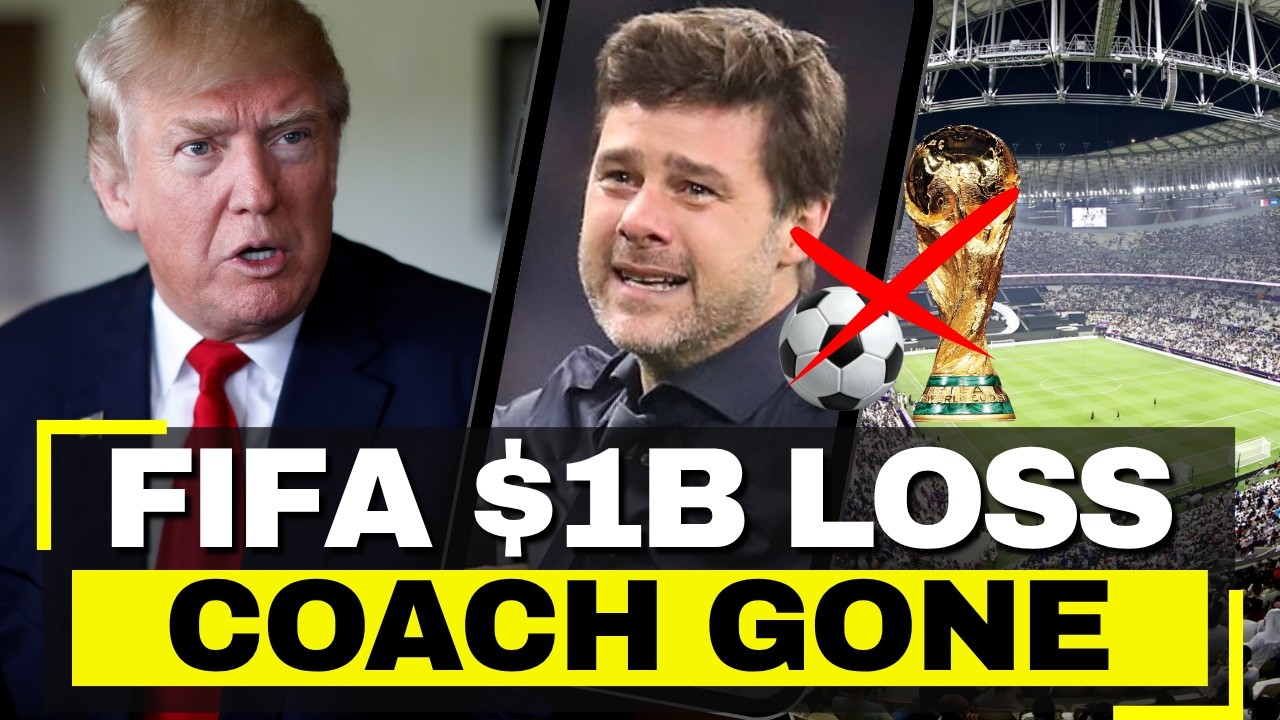
Just days before the 2026 FIFA World Cup begins in North America, the tournament is facing mounting controversy on multiple fronts.
What was expected to be a celebration of the world’s biggest sporting event is increasingly becoming a story about investigations, rising costs, and growing public frustration.
The latest challenge comes from the United States, where state attorneys general have launched formal investigations into FIFA’s ticket pricing practices.
New York Attorney General Letitia James and New Jersey Attorney General Jennifer Davenport have subpoenaed FIFA, citing concerns over ticket sales, pricing transparency, and consumer protection.
According to officials, many fans who purchased premium seats later discovered their tickets had been reclassified or moved farther from the field.
The alleged changes were reportedly made to create additional corporate hospitality areas that were not included in the original seating plans.
Authorities are also examining FIFA’s use of dynamic pricing, a system that allows ticket costs to fluctuate based on demand.
Investigators found that prices for more than 90 of the tournament’s 104 matches increased significantly between October 2025 and April 2026.
For many supporters, the result has been a dramatic rise in costs at a time when attending the World Cup was already becoming increasingly expensive.
The controversy is particularly sensitive because several of the affected matches will take place at MetLife Stadium, including the tournament final.
Meanwhile, concerns are also growing north of the border.
A recent report from Canada’s Parliamentary Budget Officer estimated that hosting just 13 World Cup matches will cost Canadian taxpayers more than 1 billion Canadian dollars.
The figure is more than double the original estimate and has sparked criticism from citizens concerned about government spending priorities.
Toronto and Vancouver are expected to absorb a large share of the additional costs, while many residents question whether the economic benefits will justify the investment.
Adding to the debate is the structure of FIFA’s sponsorship program.
Reports indicate that American corporations now account for more than half of FIFA’s global sponsorship revenue connected to the tournament.
By contrast, Canadian and Mexican companies have secured little visible representation among the event’s major commercial partners despite their countries sharing hosting responsibilities.
Critics argue that the arrangement leaves host governments carrying significant financial burdens while much of the commercial value flows elsewhere.
On the sporting side, the situation surrounding the United States men’s national team has generated fresh concerns.
The team has struggled with inconsistent performances in recent months, raising questions about its readiness for a tournament it is expected to help showcase.
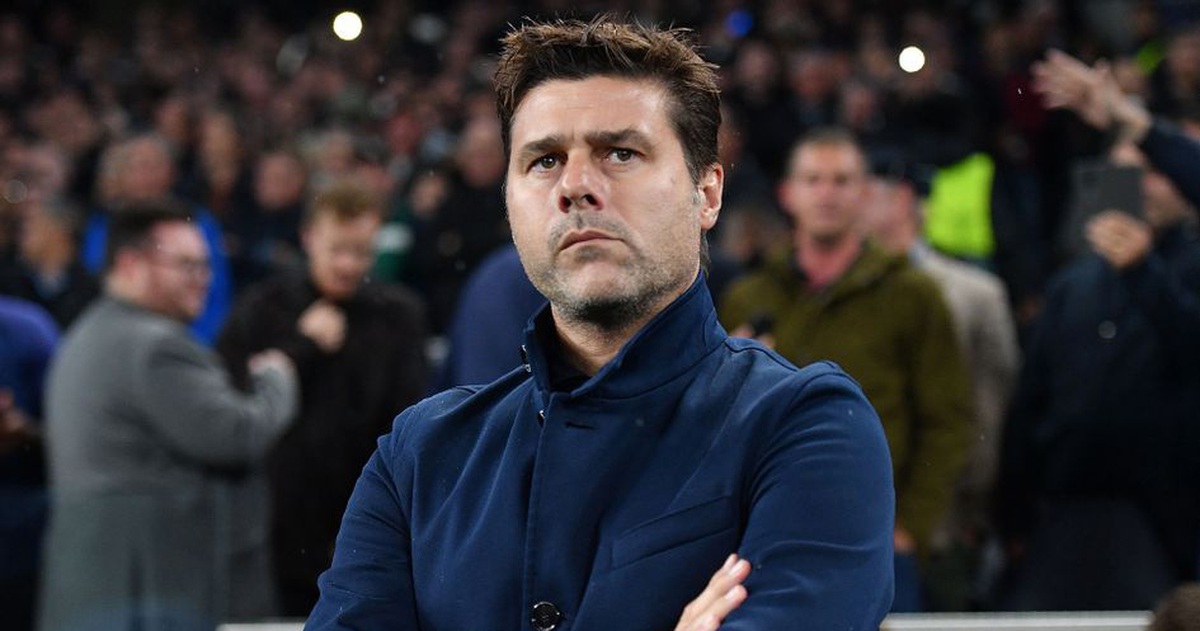
Those concerns intensified after reports emerged that representatives of head coach Mauricio Pochettino had spoken with Italian club AC Milan regarding a potential coaching opportunity.
Although no agreement has been announced, the reports fueled speculation about the coach’s long-term commitment to the U.S. program.
When questioned publicly, Pochettino did not directly deny the discussions, further increasing media attention.
The uncertainty comes at an awkward time for U.S. Soccer, especially after the departure of sporting director Matt Crocker, who originally recruited the coach.
Beyond football, organizers continue facing logistical and financial challenges.
Federal funding promised to support host cities remains a source of concern, with local organizing committees seeking greater clarity about future support.
At the same time, questions persist about transportation, infrastructure readiness, and extreme summer weather conditions expected during parts of the tournament.
Additional criticism has emerged over FIFA’s scheduling decisions and broader event planning, creating a growing list of issues before a single match has been played.
Despite the controversies, FIFA remains confident that the tournament will be a historic success.
The organization expects billions of viewers worldwide and record-breaking commercial revenues throughout the month-long competition.
However, the weeks leading up to kickoff have exposed tensions that many sports organizations increasingly face.
Fans want affordability, governments want economic returns, sponsors want visibility, and governing bodies want maximum revenue.
Balancing those competing interests has become one of the biggest challenges in modern sports.
Whether the 2026 World Cup ultimately becomes a celebration of football or a case study in the risks of mega-event management remains to be seen.
For now, the world’s biggest tournament is entering its final countdown under a cloud of investigations, financial scrutiny, and unanswered questions.
And with billions of people preparing to watch, every decision made from this point forward will face unprecedented public attention.






