Federal Government Quietly Moves to Cut Queensland Disaster Recovery Funding
A new proposal from the federal government has raised concerns throughout Queensland after reports suggested that disaster recovery funding could be significantly reduced in the coming years.
Under the proposal, Canberra is considering lowering its average contribution to disaster recovery programs in Queensland. Historically, the federal government has covered around 64 percent of recovery costs following major natural disasters.

Although the proposal has not attracted widespread public attention, local leaders and community representatives are already warning that the potential impact could be substantial.
Queensland is widely regarded as one of Australia’s most disaster-prone states. The region regularly experiences floods, cyclones, bushfires, and severe storms that cause extensive damage to homes, businesses, and public infrastructure.
Federal funding has played a vital role in helping affected communities recover from these events. Over the years, this support has assisted with rebuilding roads, bridges, schools, hospitals, and other essential facilities.
If the proposed changes move forward, a larger share of disaster recovery expenses would fall on the Queensland government. This could place additional strain on the state’s finances and limit its ability to respond quickly to future emergencies.
Critics argue that reducing federal support comes at a difficult time, particularly as extreme weather events appear to be becoming more frequent and more severe across Australia.
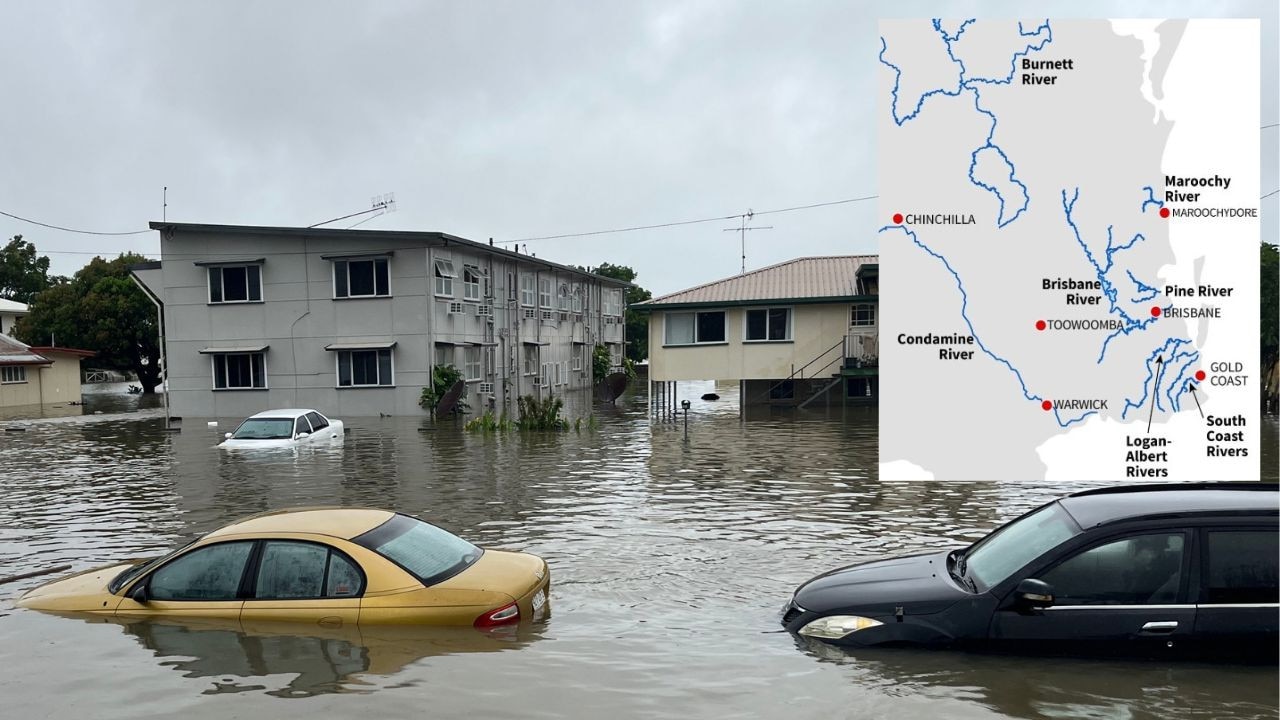
Regional communities are among those most concerned about the proposal. Many smaller towns rely heavily on government assistance after disasters because they often lack the resources needed to fund large-scale recovery efforts on their own.
Local government officials have warned that lower federal contributions could slow rebuilding projects and leave damaged infrastructure unrepaired for extended periods.
Community advocates emphasize that disaster recovery involves much more than repairing physical structures. Recovery efforts also focus on restoring local economies, supporting businesses, and helping families regain stability after traumatic events.
Some policy analysts suggest the federal government may be looking for ways to reduce long-term spending commitments while encouraging states to take greater responsibility for disaster preparedness and recovery planning.
However, opponents of the proposal argue that disaster recovery should remain a shared national responsibility. They believe Australians affected by natural disasters deserve support regardless of which state they live in.
Queensland politicians from various political backgrounds have begun questioning whether the proposed funding changes properly reflect the state’s high exposure to natural disasters.
Many of these leaders point out that Queensland makes a significant contribution to the national economy through key industries such as mining, agriculture, tourism, and energy production.
Business organizations have also entered the discussion, warning that slower recovery efforts could create broader economic challenges. Delays in rebuilding may discourage investment and weaken growth in regional areas.

Residents living in flood-prone and cyclone-affected communities say they are worried about what reduced funding could mean when the next major disaster occurs.
As discussions continue, pressure is increasing on the federal government to provide more details about its plans and explain how affected communities would be supported under any revised funding arrangements.
For many Queenslanders, the issue has become increasingly important. With natural disasters remaining a constant threat, the future of federal disaster recovery funding could play a major role in determining how quickly communities are able to rebuild and recover after future crises.






