Fuel Tax Relief Faces Questions as Carney Government Defends Temporary Measure Amid Rising Energy Costs
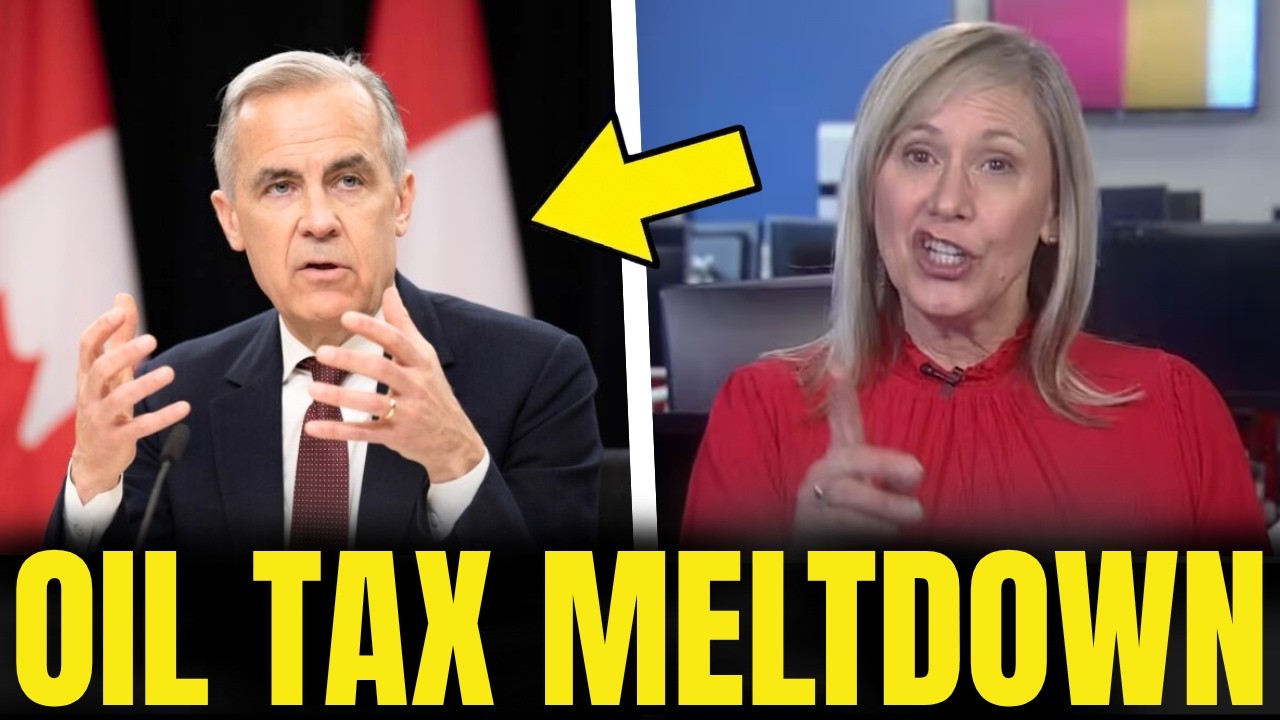
Canada’s political debate over affordability and energy policy intensified after Mark Carney announced a temporary federal fuel excise tax reduction shortly after securing a parliamentary majority. The measure, scheduled to begin on April 20 and continue through Labour Day, was presented as a form of relief for households facing elevated fuel costs, but comments made during the same announcement quickly became the focus of political discussion.
The policy would suspend federal excise taxes on gasoline, diesel, and aviation fuel, reducing gasoline prices by 10 cents per litre and diesel prices by four cents per litre if the savings are fully passed on to consumers. According to the transcript, the federal government estimated the measure would reduce revenues by approximately $2.4 billion.
While the announcement was framed as direct support for Canadian families, attention shifted when Carney acknowledged that consumers might not necessarily experience the full reduction at the pump if global oil prices continued rising. That qualification immediately prompted questions about how much relief Canadians would actually receive.
Opposition critics argued that the government’s messaging created uncertainty around a policy that had initially been presented as straightforward affordability assistance. The discussion quickly expanded beyond the tax cut itself and into broader questions about federal energy policy and government accountability.
Analysts cited in the transcript also expressed caution. Patrick De Haan noted that tax reductions do not automatically translate into equivalent savings for consumers when market conditions are volatile. Rising crude prices can offset reductions that governments intend to deliver through tax changes.
The transcript further referenced comments from Desjardins Deputy Chief Economist Randall Bartlett, who reportedly described the reduction as relatively modest when compared with the broader increase in fuel prices experienced over the previous year. According to figures cited in the discussion, gasoline prices had risen substantially, meaning the tax cut would recover only part of those increases.
The broader debate therefore shifted from the announcement itself to the effectiveness of temporary tax measures during periods of global market instability. Critics argued that affordability policies can be difficult to evaluate when international energy markets remain highly volatile.
At the same time, the transcript highlighted projections regarding oil and gas sector profitability. A report referenced from Climate Caucus suggested that if current market conditions persist, the Canadian oil and gas industry could experience exceptionally strong earnings over the coming year.
Those projections became central to criticism from groups advocating stronger intervention in energy markets. They argued that rising corporate profits and consumer affordability pressures should be considered together when governments design relief measures.
The discussion also intersected with longer-running debates about energy regulation, taxation, and climate policy. Critics pointed to previous decisions involving emissions policy and industry agreements as evidence that Ottawa’s approach toward the sector has become increasingly controversial.


Political pressure intensified as opposition figures sought to connect the fuel-tax announcement with wider concerns about affordability. The transcript noted that Pierre Poilievre argued the reduction did not go far enough and suggested larger cuts would have been necessary to provide meaningful relief.
Meanwhile, provincial dynamics added another layer to the debate. The transcript referenced Alberta’s fuel tax framework and discussions involving Danielle Smith, highlighting how provincial policies can influence the final prices consumers ultimately pay.
Questions also emerged regarding whether federal measures alone can significantly affect household budgets when multiple layers of taxation and global commodity prices contribute to fuel costs. That issue has prompted renewed debate across Canada’s political landscape.
For supporters of the government, the tax reduction represented an effort to provide immediate assistance while broader economic challenges continued to affect household finances. Carney’s remarks acknowledged that fuel prices are shaped by numerous factors beyond federal taxation.
Government representatives maintained that oil, gasoline, and diesel prices fluctuate according to international markets, geopolitical developments, and supply conditions. In that context, officials argued that no government can guarantee precise retail price outcomes.

The controversy nevertheless raised broader concerns about government accountability because expectations created by political announcements are often measured against the practical results experienced by consumers. Whether Canadians ultimately see the full benefit remains a central question in the debate.
The transcript also referenced criticism from environmental and progressive voices. Former cabinet minister Steven Guilbeault was mentioned in connection with earlier disagreements over energy policy, while opposition figures from the left argued that stronger action was needed to address corporate pricing concerns.
At the parliamentary level, the dispute highlighted widening divisions within Parliament over how affordability challenges should be addressed. Conservatives emphasized larger tax relief measures, while critics from other perspectives questioned whether corporate profits were receiving sufficient scrutiny.
As fuel prices continue to influence transportation, food distribution, and household budgets, the political significance of the issue extends beyond the energy sector itself. Diesel costs in particular remain important because of their connection to supply chains and consumer prices across the economy.
Looking ahead, observers note that the debate surrounding the fuel tax reduction is likely to remain active as Canadians evaluate whether pump prices meaningfully decline during the summer months. For now, Carney has offered a carefully measured response that acknowledges market uncertainty, but the policy continues to face growing scrutiny in Ottawa. The debate remains unresolved within Canada’s broader political landscape.






