It is a moment that could shake the political landscape of Europe: Finland, the country that shares the longest EU external border with Russia at over 1,300 kilometers and has thus far been one of the most vehement voices warning of Russian aggression, is suddenly beginning to drastically change its rhetoric.
Official Finnish security sources are now stating unequivocally: Russia is not currently preparing an attack on Europe. There is no imminent threat, no indication of a march on the Baltic states, and no buildup of tanks on the Finnish border.
This statement is tantamount to a political earthquake, because it exposes the narrative that Brussels and national governments have been touting for years like an unassailable mantra.
The Dismantling of the “Fear Industry”

For years, politicians and the mainstream media have been hammering home the message that the danger was imminent. Any form of doubt, any call for diplomacy, and any reference to one’s own economic interests was immediately denounced as “Putin apologists” or even extremist sentiment.
This atmosphere of constant fear was the perfect instrument to legitimize a policy that massively jeopardized the prosperity of Europe, and Germany in particular.
Energy prices were allowed to skyrocket, sanctions were imposed that crippled our own industry, and the decades-long model of peaceful coexistence was replaced by an ideologically charged policy of confrontation.
But today, the burning question arises: If the danger—as Helsinki now admits—was not so immediate and existential, why was it conjured up with such vehemence?
The answer lies in the power of narratives. Fear is the most effective means of political discipline. As long as the people are afraid, they will not question the economic decline, the loss of competitiveness, or the creeping destruction of our industrial base. But this mechanism is now beginning to fail due to its own inefficiency.
Economic pressure forces reason.
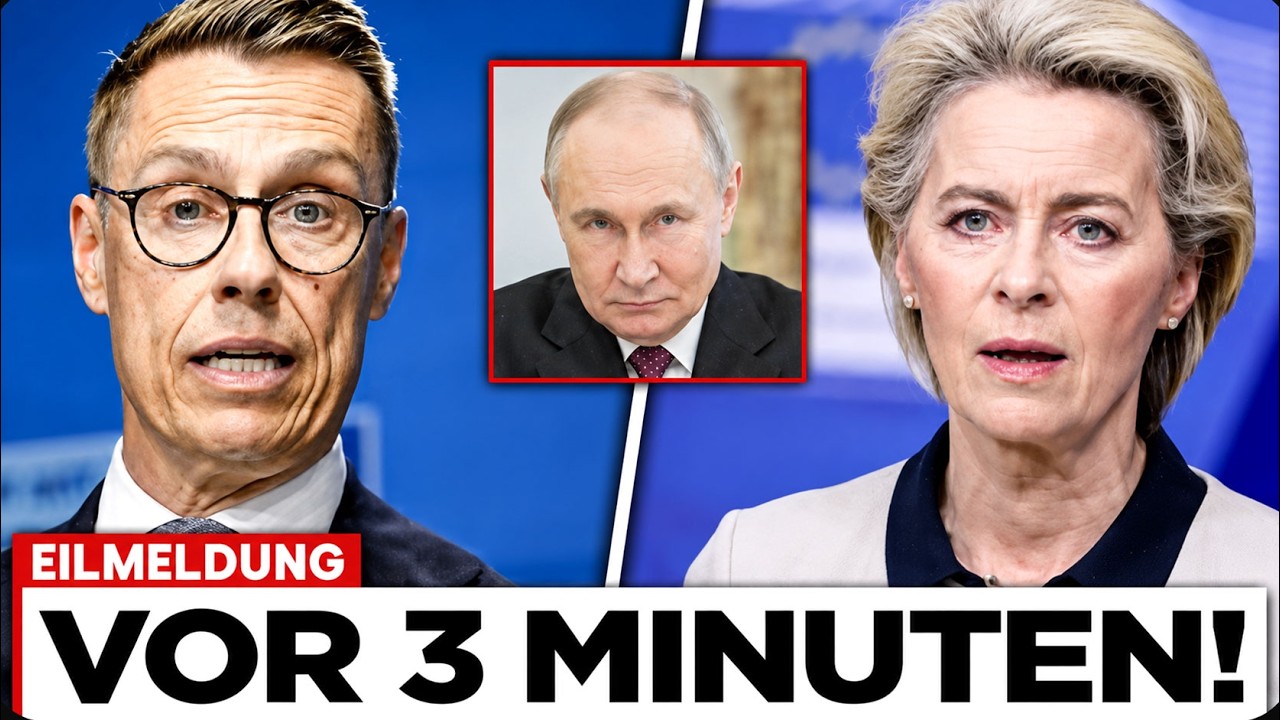
Finland’s change of stance isn’t driven by a sudden moral awakening, but by sheer, hard-nosed economic pressure. The Finns, who for decades have lived successfully and pragmatically alongside their large neighbor, are now experiencing firsthand the cost of ideological blindness.
Cross-border trade has ground to a halt, supply chains have collapsed, and the export sector is suffering from devastated markets. Finnish industry, like German industry, is paying the price for a policy that prioritizes “principle” over economic reason.
What we are witnessing in Europe is a gradual erosion of our economic model. It’s not a sudden collapse like a bang, but a steady loss of pressure that is slowly but surely sinking our “submarine” called the EU to the bottom.
The detached elites in Brussels and the European capitals live in a world of luxurious conference rooms, far removed from exploding bills, closing businesses, and the worries of hard-working people. But stark reality is, after all, more powerful than any narrative. Factories stand idle, regions are impoverished, and faith in the “lack of alternatives” to Brussels’ policies is crumbling at every turn.
A historic breach of trust
What makes this development particularly tragic is that even a course correction can now hardly restore the old order. Trust is not a switch that can simply be flipped.
Decades of pragmatic relations based on reason and mutual benefit have been willfully destroyed within a few months. Russia does not easily forget such humiliations and hostilities.
What has happened here is a breach of trust of epic proportions, one that will keep Europe trapped in a difficult geopolitical situation for decades to come.
The official line from Brussels is not collapsing because external enemies are growing stronger—it is collapsing because it can no longer bear the cost of its own delusion.
Whether it is the absurd energy policy that is driving us into total dependence on overseas LNG, the systematic deindustrialization, or the uncontrolled migration: the same pattern is evident everywhere.
First, a dogma is established, then all critics are defamed, and in the end, when the system collapses, there is no real apology, only a quiet abandonment of the original line.
The question of true sovereignty
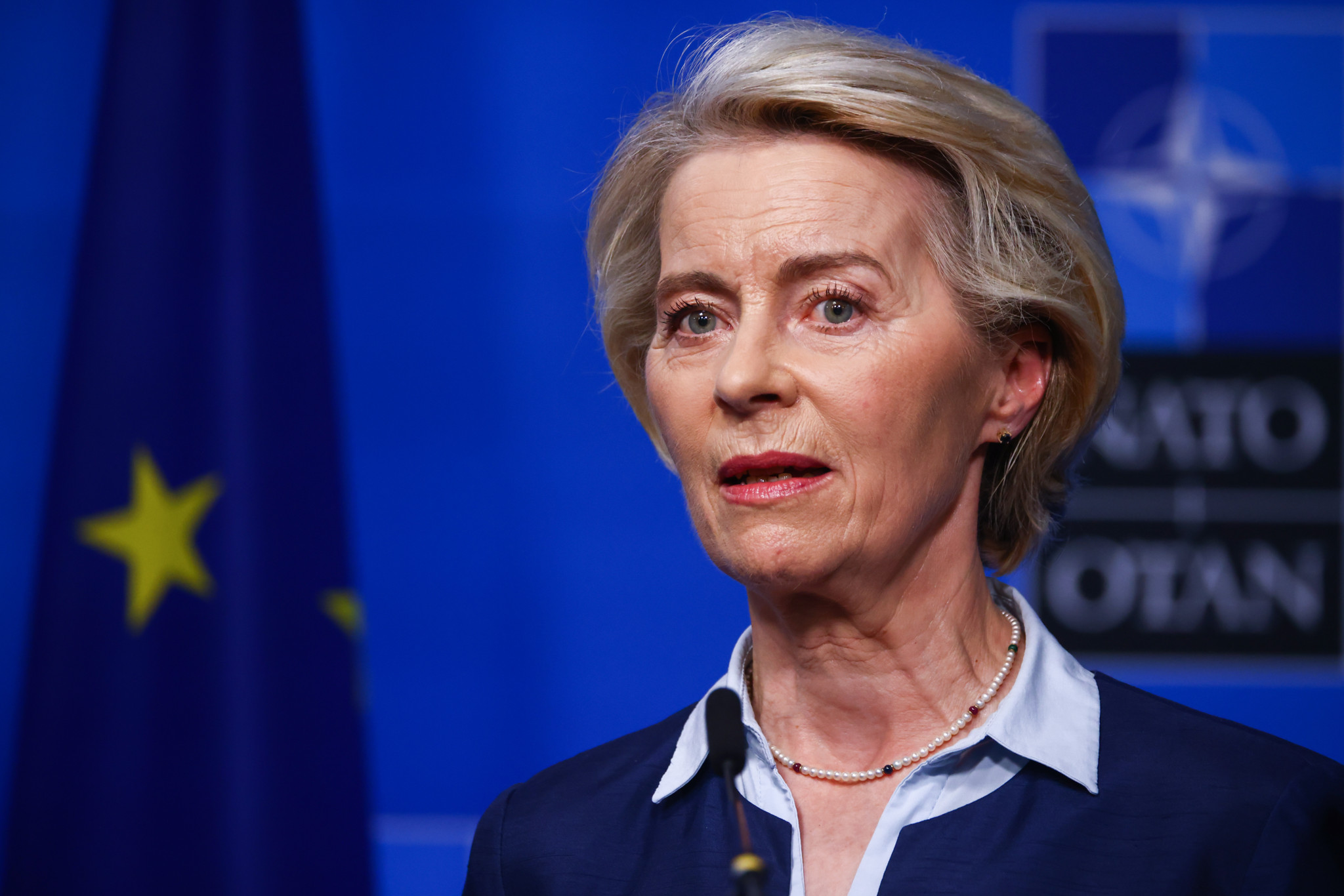
Finland’s cautious retreat from its hardline rhetoric raises the crucial question: Who actually benefits from this new European order we find ourselves in?
Is it a united Europe that is gaining strength, or are other geopolitical centers deliberately steering us into a dead end? It’s no longer just about defense. It’s about new dependencies, external control, and the disciplining of European states.
Citizens have a right to know whether this path was “without alternative” or whether there were alternatives that were concealed from us in order to achieve a specific geopolitical goal.
If Finland begins to have doubts, it will be the start of a chain reaction. Other countries will follow suit, and the discussion will no longer revolve solely around Russia.
It will revolve around the question of how Europe can survive in the future—through sovereignty, through independence, and through a return to geopolitical reality instead of naive dreams.
The change is creeping, but it is coming with a vengeance. People only accept sacrifices as long as they feel their leadership is honest and competent.
When that trust finally breaks, the cards are reshuffled. Finland’s statement is the first crack in the dam. We should watch closely how quickly this dam breaks, because what follows will shape the future of our continent for years to come.
The era of ideological self-destruction must end before all that remains of Europe are the ruins of our once-proud industries. It is high time that reason takes command again.






