Germany and Norway Offer Canada a Place in a Historic Arctic Submarine Alliance
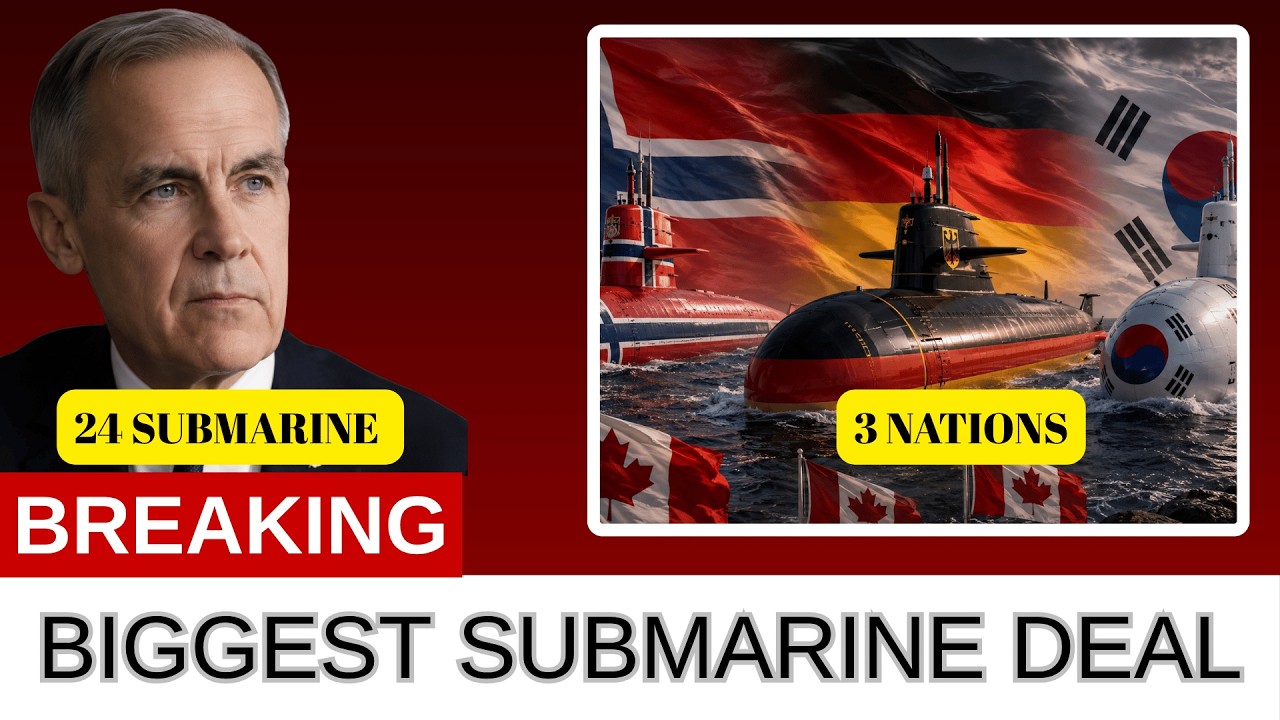
A major decision is approaching in Ottawa, and its consequences could shape Canada’s security strategy for generations.
At the center of the debate is Canada’s plan to acquire a new fleet of submarines, one of the largest military procurement programs in the country’s modern history.
The Royal Canadian Navy is seeking up to 12 conventionally powered submarines to replace its aging Victoria-class fleet.
With Canada’s current submarines nearing retirement and only limited operational availability remaining, the need for replacement has become increasingly urgent.
The competition has narrowed to two finalists.
Germany’s ThyssenKrupp Marine Systems (TKMS), working alongside Norway, is offering the Type 212CD submarine.
South Korean shipbuilder Hanwha Ocean is promoting its advanced KSS-III submarine design.
While both proposals meet Canada’s operational requirements, the European bid has recently introduced a powerful new argument.
According to Norwegian and German officials, the offer is no longer simply about selling submarines.
Instead, it is about creating a shared strategic fleet among three allied nations.
Norwegian State Secretary for Defence Marte Gerhardsen recently described the vision in unusually direct terms.
Rather than operating separate national fleets, Norway, Germany, and Canada would cooperate around a common submarine platform with shared training, logistics, maintenance systems, and operational experience.
If Canada joins the project, the combined fleet could eventually consist of 24 identical submarines.
That would create the largest conventional submarine force of its kind in the world.
Supporters argue that such cooperation would provide advantages far beyond cost savings.
Shared spare parts, common maintenance facilities, joint training programs, and coordinated operations would strengthen interoperability among NATO allies.
The proposal is particularly significant because of growing security concerns in the Arctic.
As climate change opens new shipping routes and increases activity in northern waters, Arctic security has become a growing priority for NATO members.
Russia continues expanding its military presence in the region, while China has shown increasing interest in Arctic trade routes and resources.
For Canada, the challenge is especially important.
The country possesses one of the world’s largest Arctic territories yet has historically faced limitations in underwater surveillance and submarine operations.
Modern submarines capable of extended underwater endurance would dramatically improve Canada’s ability to monitor and defend its northern approaches.
Germany and Norway have gone beyond promises to demonstrate their commitment.
Both countries have reportedly agreed to redirect one submarine from their own production schedules to Canada if Ottawa selects the Type 212CD.
Such a concession is highly unusual in international defense procurement.
Military orders are typically protected closely because delivery schedules directly affect national readiness.
By offering to delay part of their own fleet expansion, Germany and Norway are signaling how important they consider Canadian participation.
Supporters describe the move as evidence of a genuine long-term partnership.
The message from Europe is clear: Canada would not simply purchase submarines—it would join a broader security network focused on the North Atlantic and Arctic regions.
Yet South Korea remains a formidable competitor.
Hanwha Ocean has emphasized a different advantage throughout the competition: speed.
The company has consistently promised delivery of four submarines by 2035, matching Canada’s urgent timeline for replacing its current fleet.
Defense analysts have repeatedly noted South Korea’s strong reputation for delivering major defense projects on schedule.
The KSS-III proposal has also been supported by a visible public campaign, including recent visits by one of the submarines to Canadian naval facilities.
Germany responded this week by providing its own timeline.
TKMS now says it can deliver four Type 212CD submarines by 2036.
Although that narrows the gap considerably, Hanwha’s proposal still remains one year faster.
Beyond submarines themselves, both bidders are offering major economic benefits.
Germany has proposed billions of dollars in industrial investments, defense manufacturing opportunities, and infrastructure projects tied to the submarine program.
South Korea has made similar commitments involving Canadian jobs, technology transfer, and long-term industrial partnerships.
As a result, the final decision may come down to more than technical performance.
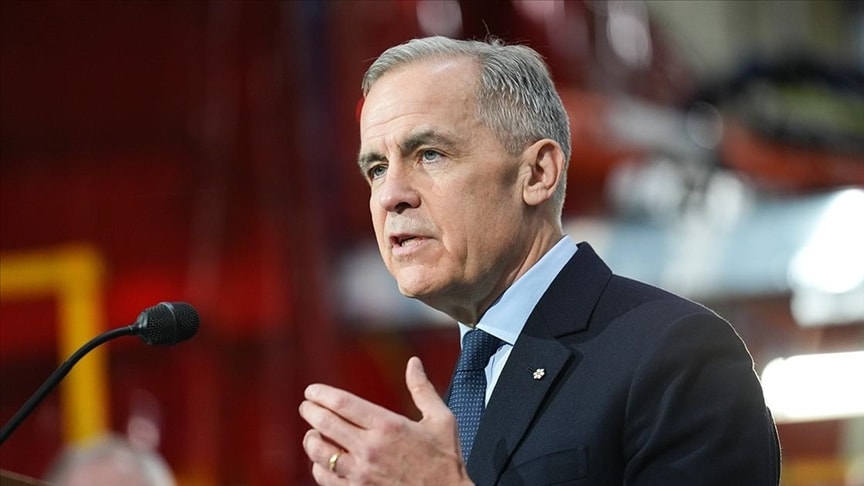
Prime Minister Mark Carney has suggested that broader strategic and economic considerations will play a central role in the selection process.
Experts increasingly view the competition as a choice between two different visions of Canada’s future.
One path would deepen integration with NATO’s northern European allies and strengthen cooperation in Arctic defense.
The other would expand Canada’s security relationships into the Indo-Pacific region through closer ties with South Korea.
Both options offer significant advantages.
Both reflect changing realities in an increasingly competitive global security environment.
What makes this competition remarkable is how aggressively leading defense powers are pursuing Canada’s partnership.
Germany and Norway are offering shared security structures and unprecedented cooperation.
South Korea is offering speed, industrial investment, and proven delivery performance.
For perhaps the first time in decades, Canada is not simply purchasing military equipment.
It is choosing which strategic network it wants to help shape for the next 40 years.
With a final decision expected before the end of June, the outcome will influence not only Canada’s navy, but also its alliances, industrial base, and role in the rapidly evolving Arctic security landscape.






