GOP LOSES IT over Trump TOTAL FAILURE as CONGRESS RETURNS!!
WASHINGTON — As Congress returned from its recess, Republican lawmakers expressed deep frustration and scrambled to defend President Donald J. Trump amid the apparent collapse of negotiations with Iran and mounting domestic political pressure.
The return to Capitol Hill came at a tense moment, with lawmakers confronting questions over the administration’s handling of the Iran conflict and its broader foreign policy consequences.
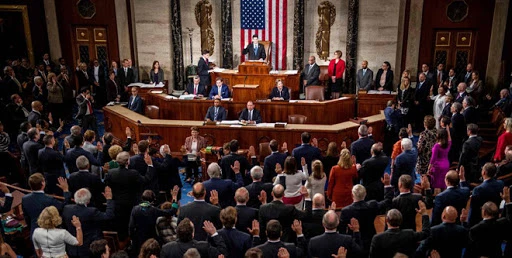
War Powers Resolution Blocked
House Speaker Mike Johnson adjourned the chamber early last week to prevent a vote on a War Powers Resolution that would have declared the president’s military actions in Iran unauthorized. The resolution, which had support in the Senate, aimed to limit further escalation without congressional approval.
Democrats criticized the maneuver as an attempt to shield the administration from accountability.
Negotiations Collapse
Iran announced the suspension of all talks with the United States, citing continued Israeli military operations in Lebanon. Iranian officials stated that recent strikes near Beirut made further diplomacy impossible.
The breakdown followed U.S. strikes near the Strait of Hormuz and Iranian retaliation that reportedly injured American personnel and destroyed several U.S. drones.
Oil Prices Surge
Global oil markets reacted sharply to the news, with prices spiking more than 8 percent amid fears of prolonged disruption in the Strait of Hormuz. President Trump told CNBC he was unconcerned and predicted prices would soon drop, while expressing indifference to the end of negotiations.
Republican Defense of Trump
Several Republican members urged patience and trust in the president’s strategy. Representative Marjorie Taylor Greene emphasized that Mr. Trump had more information than the public and called for support for American service members.
Others described the administration’s approach as a calculated move toward a comprehensive deal, despite the current setbacks.
Internal GOP Tensions
Some Republicans appeared increasingly uneasy. Reports indicated growing dissent within the Senate Republican caucus, with senators like Bill Cassidy and John Cornyn expressing reservations about the direction of policy.
Lawmakers returning to Washington faced questions about the lack of a clear exit strategy and the economic fallout from prolonged instability.
Economic and Domestic Impact
Critics highlighted the human and financial costs of the conflict. Mortgage delinquencies, job losses in certain sectors, and rising energy prices have added pressure on American households.
Democrats argued that the administration’s focus on unrelated matters, such as naming buildings after the president, showed misplaced priorities while serious international crises unfolded.
Calls for Congressional Oversight
Democrats renewed demands for a formal War Powers vote and greater transparency regarding military spending and operations. They accused the administration of withholding critical information from Congress and the public.
Representative members noted that even basic accounting for costs related to the Iran operations had not been fully provided.
Trump’s Public Statements
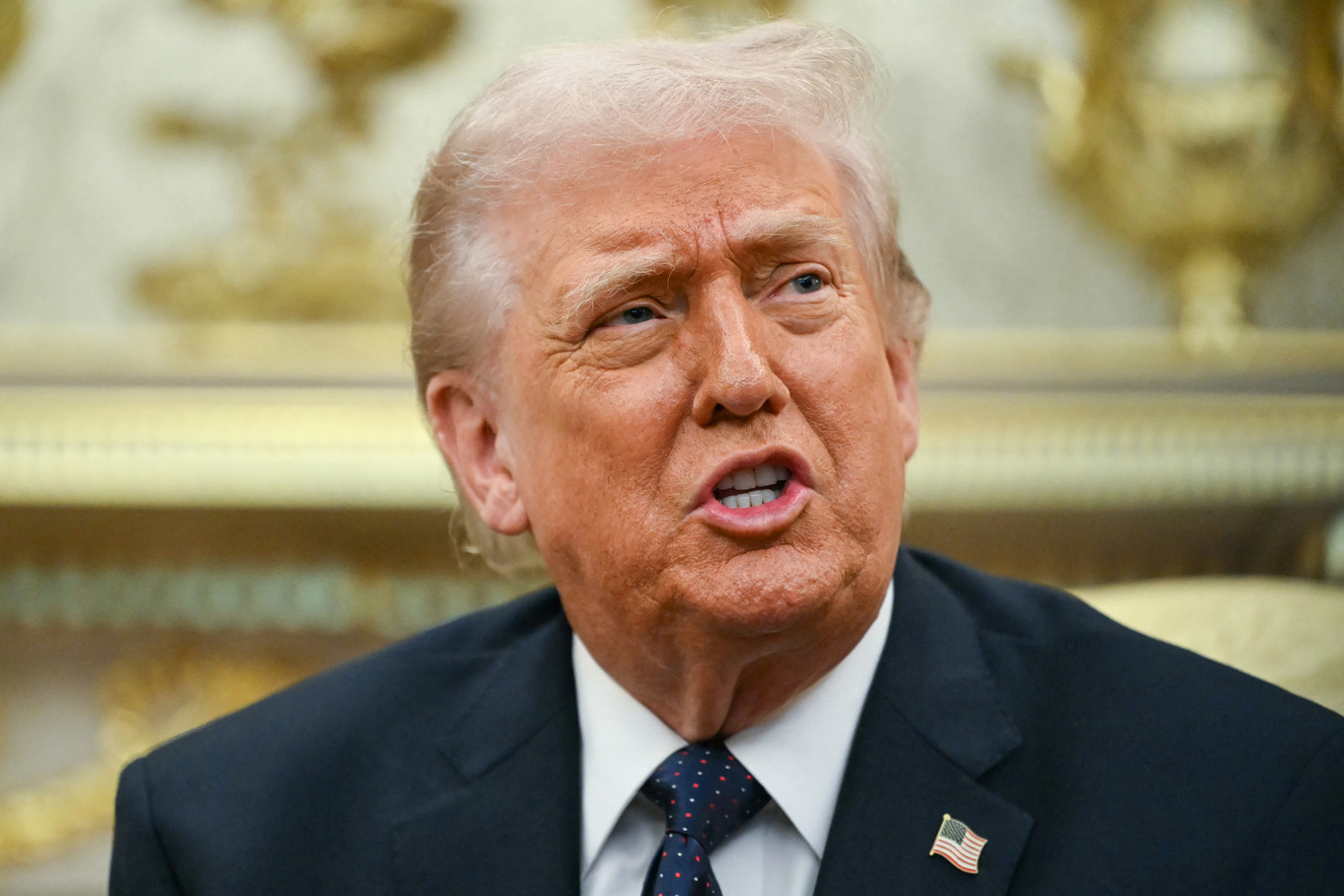
In interviews and public remarks, Mr. Trump downplayed the setbacks, insisting that a deal remained possible and criticizing previous diplomatic efforts. His comments have drawn mixed reactions even within his own party.
Speaker Johnson’s Position
Speaker Johnson defended the decision to delay the War Powers Resolution, arguing that it would undermine the commander-in-chief at a critical time. He expressed optimism that the situation would resolve favorably.
Broader Strategic Concerns
Analysts and lawmakers warned that the current trajectory risked isolating the United States diplomatically while emboldening adversaries. The collapse of talks has raised questions about long-term stability in the Middle East and the effectiveness of the administration’s maximum pressure approach.
Political Ramifications
The developments have complicated Republican prospects ahead of upcoming midterm elections. Some GOP strategists worry that prolonged conflict and economic strain could overshadow other priorities.
Democrats see an opportunity to highlight what they call foreign policy failures and lack of congressional consultation.
Future Legislative Battles
When the House returns to full session, the War Powers Resolution is expected to resurface. Democrats plan to push for its passage, while Republicans will likely attempt procedural blocks.
The coming weeks will test party unity on both sides as the administration navigates an increasingly difficult international landscape.
Public Sentiment
Polls suggest limited support for the current approach, with many Americans expressing concern over rising energy costs and the risk of wider conflict. The administration’s messaging has struggled to reassure markets and the public.
Uncertain Path Ahead
As Congress reconvenes, lawmakers face pressure to assert greater oversight while the White House maintains its preferred course. The episode underscores deep divisions over war powers, executive authority and America’s role in a volatile region.
Whether the current tensions lead to de-escalation or further confrontation remains uncertain, but the political fallout is already reshaping dynamics on Capitol Hill.






