One Nation leader Pauline Hanson made a series of bold claims during a live television interview that quickly ignited debate across Australian politics, as she suggested Prime Minister Anthony Albanese may be preparing for an early election amid shifting political momentum.
Speaking in an extended conversation with host Andrew Bolt, Hanson framed the current political climate as unstable and increasingly unpredictable.
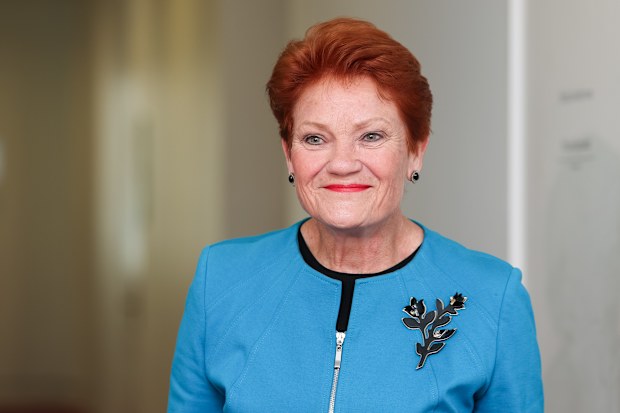
She claimed recent polling showed One Nation rising strongly, positioning her party as one of the most competitive forces in Australian politics.
According to Hanson, this shift could force the government into early electoral calculations rather than waiting for the full parliamentary term to play out.
She suggested an election could be called as early as late next year, depending on political and economic conditions.
Hanson argued that “the writing is on the wall,” pointing to what she described as growing pressure on the current government.
A major focus of her remarks was immigration policy, which she said must be significantly reduced in order to relieve pressure on housing and public services.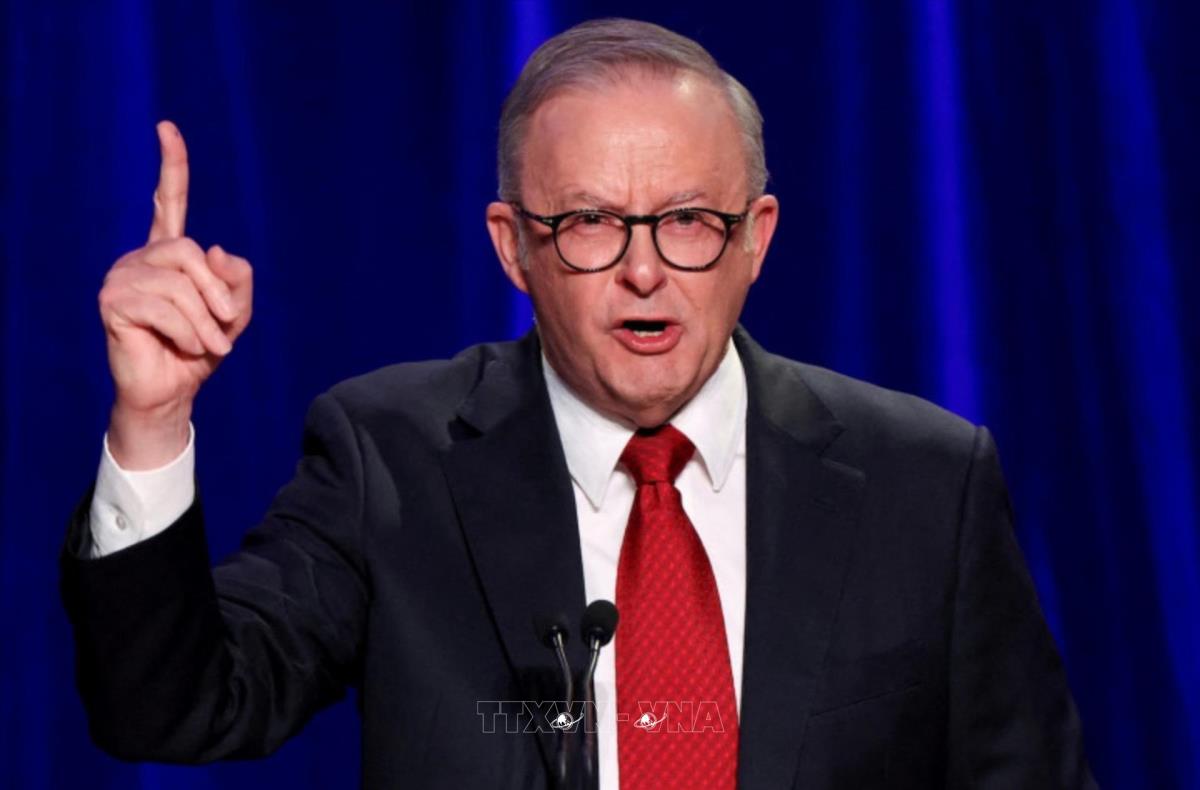
She linked population growth to Australia’s housing shortage and rising homelessness, arguing that system “recalibration” is urgently needed.
Another central theme was energy policy, where Hanson strongly criticised net zero targets and renewable energy investment.
She proposed dismantling climate-related government departments, claiming it could save tens of billions annually.
Hanson argued that Australia should instead return to coal-fired power generation to reduce energy costs and stabilise supply.
Her comments extended into broader criticism of government spending, which she described as excessive and inefficient.
She pointed to welfare, childcare subsidies, and administrative programs as areas she believes require major reform.
According to Hanson, Australia’s welfare system has created long-term dependency issues across multiple generations.
She also raised concerns about public sector growth, arguing that the federal bureaucracy has expanded too rapidly.
Hanson suggested that reducing regulation and government staffing would improve efficiency and reduce taxpayer burden.
The interview also turned to internal party politics, including questions about candidate selection and party stability.
Hanson defended One Nation’s vetting process, stating that the party has received a large number of expressions of interest for future candidates.
She rejected the idea of recruiting from established major parties, saying she prefers grassroots candidates from outside professional politics.
A portion of the discussion focused on political defections and past candidate controversies, which Hanson attributed to individual circumstances and disagreements.
She insisted that the party today is more stable and better organised than in its early years.
When asked about leadership ambitions, Hanson reaffirmed confidence in her party’s direction but avoided naming a shadow cabinet or treasurer.
She said such decisions would only be made after an election outcome.
The conversation also touched on the role of the ABC, with Hanson arguing that public funding should be reduced or redirected.
She suggested regional radio services should remain supported, while television programming should rely more on commercial funding or subscriptions.
Hanson further criticised the Liberal Party’s internal leadership situation, questioning its direction under recent changes.
She argued that political figures outside parliament have limited influence compared to those holding seats.
When asked about Prime Minister Albanese, Hanson suggested that political pressure would increase as polling shifts continue.
She claimed internal party strain would likely affect backbench MPs and electoral security.
As the interview concluded, Hanson reiterated her belief that Australia is entering a politically volatile period.
She said major structural changes are needed in migration, spending, and energy policy.
Her final remarks reinforced her central message: the current system, in her view, is under strain and heading toward a turning point.
The interview ended with renewed debate across political commentary circles, particularly over her prediction of an early election and claims of rising support for One Nation.
For supporters, it was a message of momentum.
For critics, it was another example of divisive political framing in an already heated environment.
Either way, the remarks ensured Hanson remained firmly at the centre of Australia’s political conversation.






