Hipkins criticises Government strategy as political pressure intensifies

Opposition leader Chris Hipkins has intensified criticism of the coalition Government, arguing that Prime Minister Christopher Luxon and ministers have yet to provide what Labour describes as a sufficiently clear long-term strategy for addressing economic pressure, public service challenges, and broader concerns facing households across New Zealand. The remarks come as political debate increasingly centres on affordability and voter confidence ahead of the next election.
Hipkins said many New Zealanders remain concerned about living costs, housing affordability, healthcare access, and employment conditions despite repeated Government assurances that economic conditions are improving. Labour representatives argue that voters are seeking greater clarity regarding how coalition policies will produce measurable improvements in everyday life over coming years.


Government ministers rejected Labour’s criticism and defended the coalition’s policy programme, saying reforms currently underway are designed to strengthen economic stability, reduce inflationary pressure, improve infrastructure delivery, and support long-term growth. Ministers argue that economic recovery and public sector reform require sustained implementation rather than short-term political responses.
Political analysts note that debates over leadership direction and policy clarity often become increasingly important during election-focused periods. Opposition parties typically seek to frame governments as lacking focus or momentum, while governments emphasise continuity, stability, and long-term planning.
Labour has concentrated much of its recent political messaging on affordability concerns, including grocery prices, rents, mortgage costs, transport expenses, and insurance premiums. Hipkins argues that economic performance should be judged according to whether households feel financially secure rather than solely through macroeconomic indicators.
The Government maintains that inflationary conditions have eased compared with earlier periods and says fiscal discipline remains essential for protecting long-term economic stability. Coalition representatives argue that reforms to public spending and investment priorities are intended to strengthen confidence across the wider economy.
Healthcare policy has also become a significant area of disagreement between Government and Opposition. Labour says staffing shortages and service pressures continue affecting healthcare access in parts of the country, while ministers point to reform initiatives and ongoing funding commitments aimed at improving system performance.
Housing affordability remains another major political battleground. Labour argues that many New Zealanders continue facing difficulty entering the housing market or managing rental costs. The Government maintains that planning reforms and infrastructure investment will gradually improve housing supply and affordability.
Political commentators suggest leadership perception may become increasingly influential as the election approaches. Analysts note that voters often evaluate political leaders according to confidence, communication style, and perceived ability to respond effectively to economic and social challenges.
Public polling has indicated a competitive political environment, although analysts caution that voter sentiment can shift considerably during campaign periods. Economic conditions, policy announcements, international developments, and leadership performances all have the potential to affect political momentum.
The Government has challenged Labour to provide detailed explanations regarding the cost and implementation of opposition proposals. Ministers argue that voters expect practical and fiscally responsible alternatives rather than broad criticism of existing policy settings.
Labour responds that the current debate reflects growing public concern regarding whether government policies are improving daily life for households and communities. Hipkins has increasingly framed Labour’s message around economic pressure, healthcare access, and confidence in public services.
Business groups continue monitoring developments from both major parties as political competition intensifies. Industry organisations remain focused on economic certainty, infrastructure planning, workforce development, productivity growth, and regulatory stability when evaluating policy proposals and political leadership.
Media coverage of tensions between Government and Opposition has intensified in recent months, with journalists focusing on leadership performances, parliamentary exchanges, policy announcements, and polling trends. Political commentators say economic management is likely to remain central to election debate.
Questions remain regarding which political narrative will resonate most strongly with voters. While Labour argues that many households remain dissatisfied with current conditions, the Government maintains that reforms underway require time before improvements become fully visible.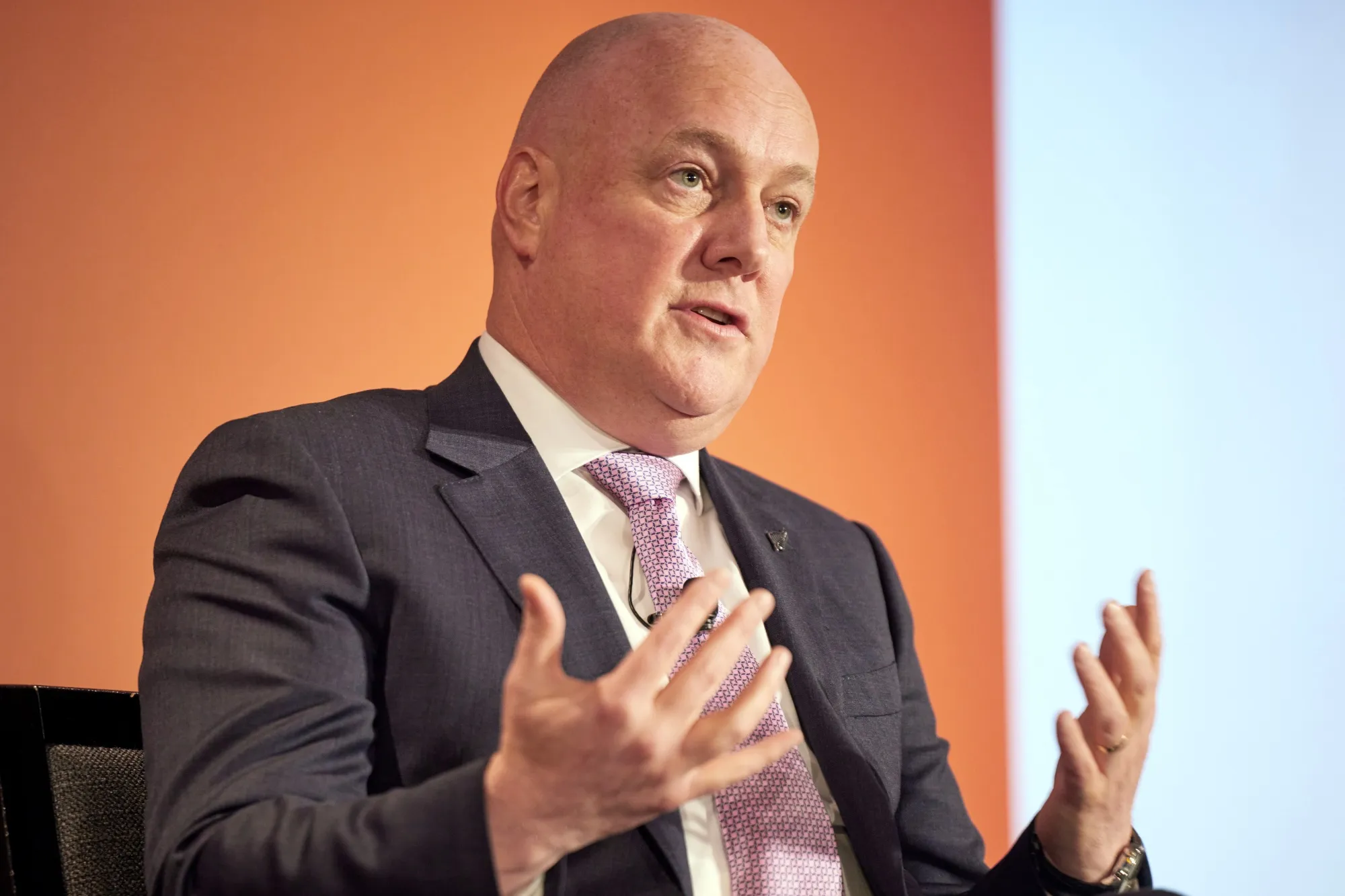
The coalition has continued defending its broader economic direction, saying stable fiscal management and investment confidence are essential for future prosperity. Ministers argue that rapid policy reversals or increased public spending could undermine longer-term economic stability.
Labour says the election should focus on whether New Zealanders feel financially secure and optimistic about future opportunities. Hipkins argues that leadership should be measured according to practical outcomes experienced by ordinary households rather than solely through official economic statistics.
Political analysts note that opposition criticism alone is rarely sufficient to secure electoral success. Labour must also persuade voters that it possesses a credible governing alternative capable of balancing economic management with stronger public service investment and affordability measures.
For Luxon, the challenge is demonstrating that coalition policies are producing meaningful results and deserve continued public support. For Hipkins, the challenge is converting public frustration into confidence that Labour offers a stronger direction for the country’s future.
Ultimately, the latest political exchange highlights the increasingly competitive nature of New Zealand’s election environment. As debate intensifies over economic management, public services, and leadership credibility, both major parties are expected to continue competing aggressively for voter confidence in the months ahead.






