One Nation’s rising support is no longer a fringe movement — it’s becoming a significant force that could disrupt the traditional two-party system in Australia. For years, Pauline Hanson and her party were dismissed by mainstream politicians and media as temporary protest votes. Today, however, the growing momentum behind One Nation suggests something deeper is happening in Australian society. Voter frustration is reaching levels not seen in decades, and Hanson’s party is successfully tapping into those sentiments on issues that matter most to everyday Australians.
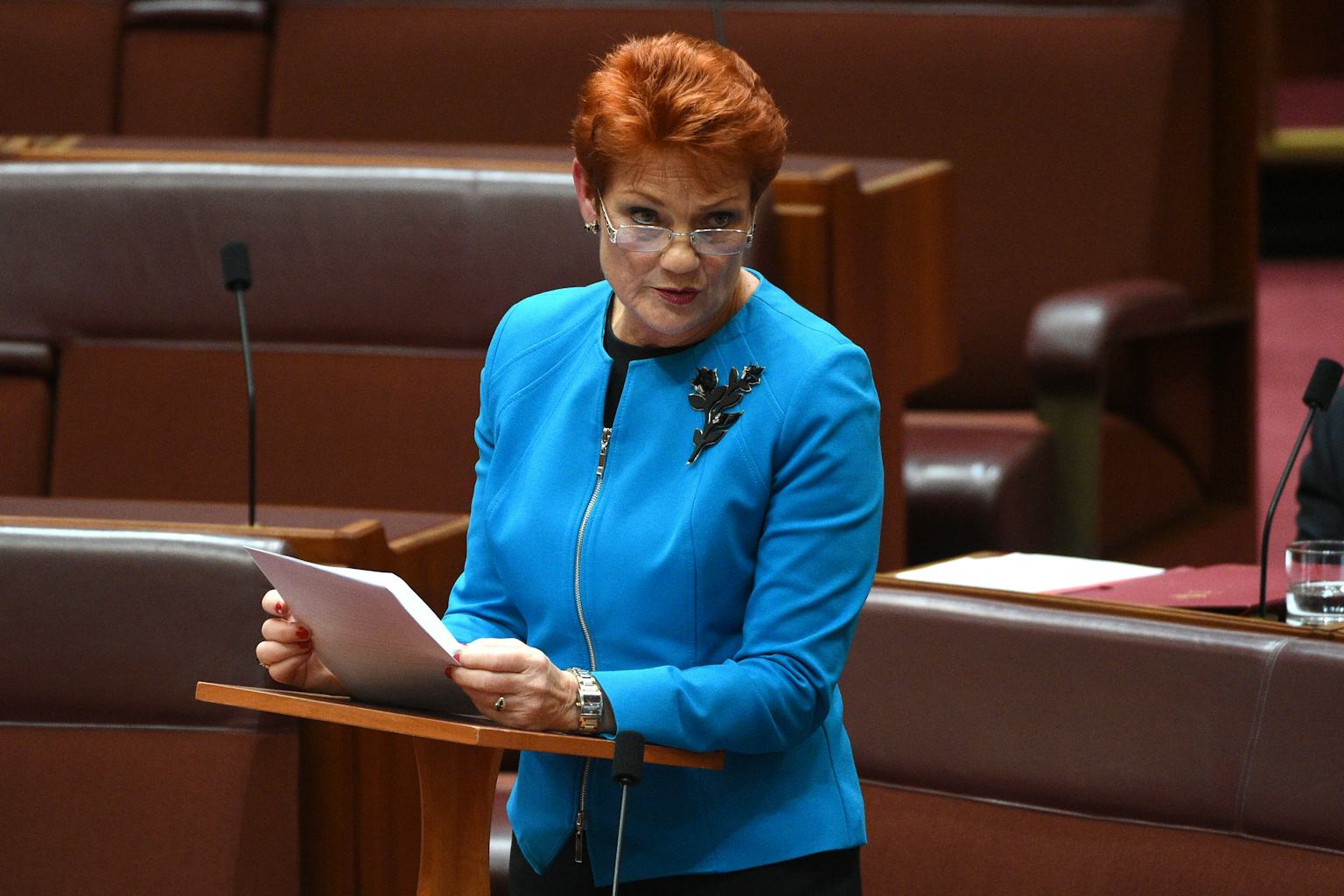
With growing concerns over immigration levels, cost of living pressures, housing affordability, and questions of cultural identity, One Nation is positioning itself as the voice for those who feel ignored by both Labor and the Coalition. Many voters in regional areas, outer suburbs, and traditional working-class communities believe the major parties have lost touch with their daily struggles. Pauline Hanson’s straightforward, unapologetic style resonates with people who are tired of polished political language and feel their concerns about rapid demographic change, infrastructure strain, and economic insecurity are being dismissed as intolerant or outdated.
A stronger One Nation presence in parliament could fundamentally force both major parties to rethink their policy platforms. On borders and immigration, a boosted One Nation would likely push for stricter controls and better integration measures. On economic protection, the party advocates for putting Australian workers and industries first, challenging the free-trade consensus that has dominated Australian politics for decades. This shift could compel Labor and the Coalition to adjust their positions to avoid losing more ground in key electorates.
The political map of Australia could be about to change in ways few predicted just a few years ago. Traditional safe seats for the major parties are becoming more competitive as One Nation gains traction in regions where economic anxiety and cultural concerns run high. This disruption is not just about winning seats — it’s about shifting the Overton window of acceptable political debate in Australia. Issues that were once considered taboo or extreme are now being discussed openly because One Nation has forced them onto the national agenda.
Want to know exactly how this surge could alter Australia’s future? The implications stretch far beyond the next election. A stronger One Nation could accelerate debates about national sovereignty, the pace of immigration, and the protection of Australian jobs and culture. It might also influence how both major parties approach controversial topics like foreign investment in housing, energy policy, and the balance between global commitments and domestic priorities.
Pauline Hanson has built her political brand on being the voice of the “forgotten Australians.” Her supporters argue that she speaks truths that career politicians from the major parties are too afraid to address. Whether it’s concerns about the scale of immigration and its impact on housing and wages, or frustration with what they see as excessive political correctness, One Nation has carved out a space in the political landscape that shows no signs of disappearing.
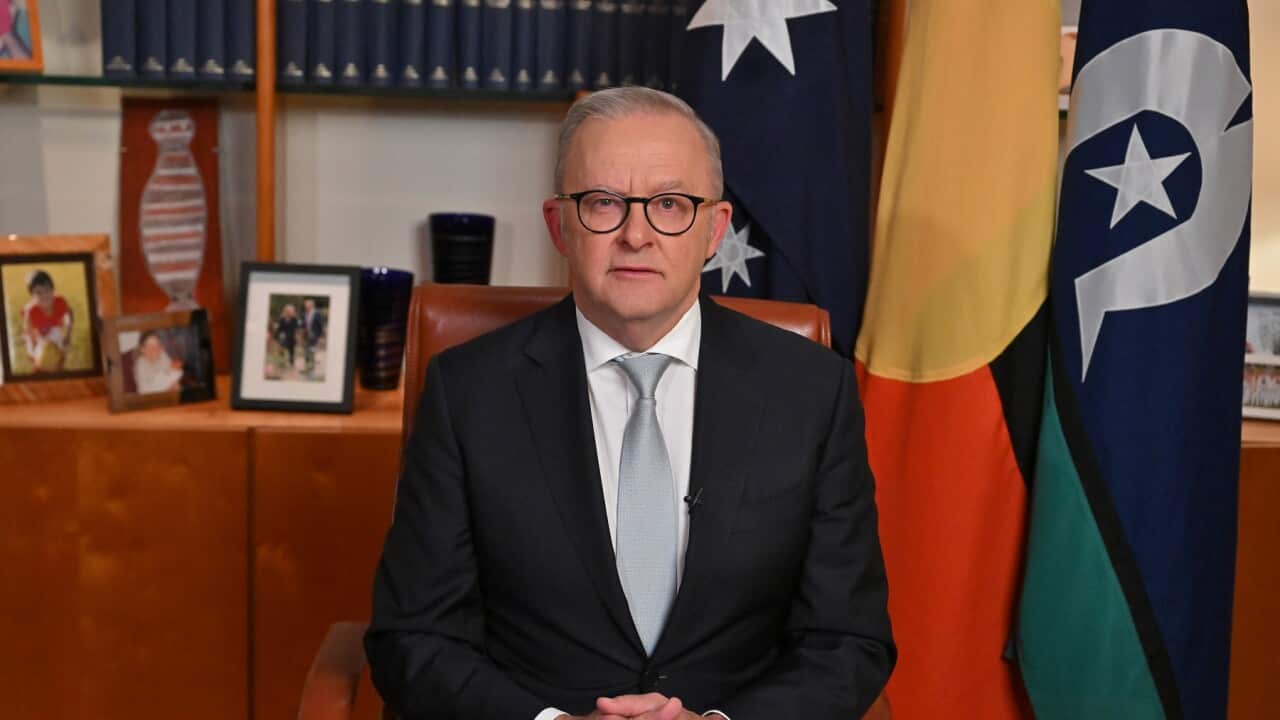
Critics, of course, paint a very different picture. They accuse Hanson and One Nation of promoting division, xenophobia, and simplistic solutions to complex problems. Mainstream media often frames the party as a threat to social cohesion in Australia’s multicultural society. This negative coverage, however, appears to have had limited effect on Hanson’s core base, who see it as further proof that the establishment fears her message.
The current political environment provides fertile ground for One Nation’s growth. Cost of living pressures have hit Australian families hard, with high inflation, rising interest rates, and stagnant wages creating widespread anxiety. Housing affordability has reached crisis levels in many cities, making it nearly impossible for young people to enter the property market. At the same time, rapid population growth through immigration has placed additional strain on infrastructure, healthcare, and education systems. Many voters feel these issues are interconnected and that the major parties have failed to manage them effectively.
One Nation’s messaging directly addresses these pain points. By calling for reduced immigration until housing and infrastructure catch up, prioritising Australian workers for jobs, and protecting local industries, the party offers a clear alternative to the status quo. This approach has particular appeal in regional Australia, where economic opportunities have often lagged behind the major cities.
A surge in One Nation support would also have significant implications for how legislation is passed in parliament. With the balance of power potentially shifting, the major parties would need to negotiate more seriously with Hanson’s team on key bills. This could lead to more conservative outcomes on immigration, stronger protections for Australian industries, and greater scrutiny of foreign investment.
The cultural dimension of this shift cannot be ignored. Australia’s national identity has been a contentious topic for years. One Nation’s emphasis on preserving Australian values and culture resonates with voters who feel that rapid social change has come at the expense of social cohesion. While critics call this divisive, supporters see it as a legitimate defence of the Australian way of life.
As the next federal election approaches, the major parties are watching One Nation’s polling numbers closely. Both Labor and the Coalition may be forced to adjust their strategies to counter the threat. Labor might toughen its stance on border security to regain lost ground, while the Coalition could emphasise its own record on immigration control to prevent further leakage to Hanson.
The rise of One Nation also reflects broader global trends. Across Western democracies, populist and nationalist parties have gained ground by addressing concerns about immigration, economic insecurity, and cultural change. Australia is not immune to these international patterns. Pauline Hanson’s enduring appeal suggests that a significant portion of the electorate feels unrepresented by the traditional political establishment.

The potential impact on Australia’s political landscape is profound. A stronger One Nation could break the two-party dominance that has characterised Australian politics for decades. Even without winning government, the party could hold the balance of power in the Senate or key lower house seats, giving it significant leverage to influence policy.
For Australian democracy, this development presents both opportunities and risks. On one hand, it offers a genuine alternative voice and forces the major parties to engage with issues they might otherwise ignore. On the other hand, increased polarisation could make consensus on important national challenges more difficult to achieve.
The coming months will be critical as all parties position themselves for the election campaign. Pauline Hanson will likely continue her strong grassroots approach, connecting directly with voters in regional areas. The major parties will need to decide whether to confront One Nation head-on or attempt to co-opt some of their popular positions.
Ultimately, the surge in support for One Nation reflects deep dissatisfaction with the current political system. Australians are looking for leaders who put their interests first and are willing to address uncomfortable truths. Whether Pauline Hanson and her party can convert this momentum into lasting political power remains to be seen, but one thing is clear: Australian politics is changing, and One Nation is playing a central role in that transformation.
The question on many minds is no longer whether One Nation matters, but how much it will matter in shaping Australia’s future. The answer will be decided at the ballot box.






