INCREDIBLE: Swedish PM Invites Canada to EU – USA Suspended 86-Year Partnership, Europe Offered Subs
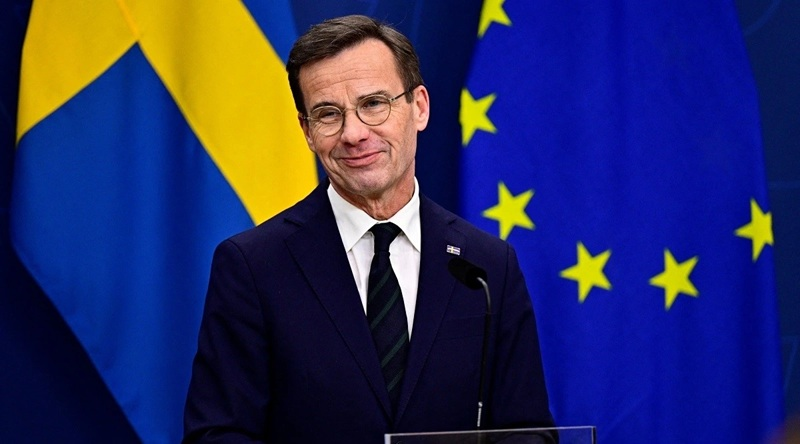
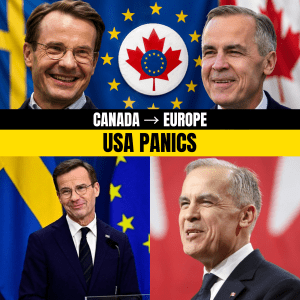
OTTAWA — In a striking public comment, Swedish Prime Minister Ulf Kristersson invited Canada to consider closer ties with the European Union, describing the country as “the most Nordic country in the world outside the Nordics” and calling the EU “a very welcoming club.”
The remark, made during a Canadian television appearance, was framed lightly but carried deeper significance amid Canada’s accelerating pivot toward Europe and a sharp deterioration in relations with the United States.
U.S. Partnership Suspended
The invitation came just weeks after the United States suspended the Permanent Joint Board on Defense, an 86-year-old military partnership with Canada dating back to World War II. The decision, announced by a senior Pentagon official on social media, followed a speech by Prime Minister Mark Carney at Davos emphasizing cooperation among middle powers.
Canadian officials described the suspension as abrupt and unnecessary, further straining an already tense bilateral relationship marked by tariffs and public disagreements.
Canada’s European Pivot
Over the past year, Canada has deepened its engagement with European partners across multiple fronts. In February 2026, the European Union appointed a special envoy for Canada relations, signaling elevated importance.
In March, Ottawa and Brussels advanced modernization of their Comprehensive Economic and Trade Agreement, adding provisions on digital trade, investment dispute resolution and mutual recognition for professionals.
Defense and Security Cooperation
Defense ties have strengthened notably. Canada joined the EU’s SAFE defense procurement initiative as its only non-European member. Swedish troops are now embedded in a Canadian-led NATO brigade in Latvia.
Most significantly, Germany and Norway offered Canada submarines from their own production lines under the Type 212CD program, proposing what Norwegian officials described as elements of a shared European-Canadian submarine fleet for Arctic and North Atlantic operations.
Trade Diversification
Mr. Carney has set a national target to double Canada’s non-U.S. exports over the next decade. The government has pursued agreements with India, ASEAN nations and Mercosur countries while modernizing ties with the EU.
These moves come as roughly 70 percent of Canadian exports still flow to the United States, making diversification a strategic priority amid ongoing trade disputes.
Strategic Realignment
Analysts describe Canada’s actions as a structural shift rather than temporary hedging. The country is building institutional architecture — defense pacts, trade frameworks and security partnerships — that would be difficult to reverse.
The Swedish prime minister’s comment, while delivered with a smile, reflected this reality: Canada is increasingly aligning with European partners in defense, trade and values.
U.S. Response
The Trump administration has watched these developments with concern but has taken steps that appear to accelerate the pivot. Tariffs on Canadian goods, public speculation about annexation and the suspension of long-standing defense mechanisms have pushed Ottawa closer to Europe.
Canadian officials maintain they continue to value the U.S. relationship but insist on greater strategic autonomy.
Middle Power Strategy
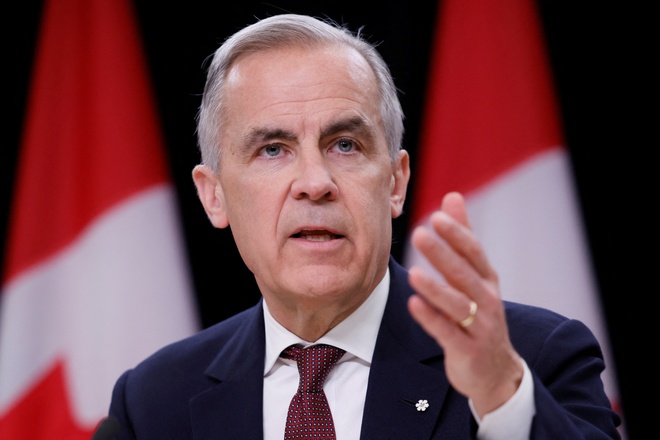
Mr. Carney has framed his government’s approach as one of resilience through diversification. In speeches, he emphasizes that a stronger, more self-reliant Canada will ultimately be a better ally to the United States.
This message was delivered directly to American investors during a recent address in New York, where he highlighted opportunities for cooperation in energy, critical minerals and supply chains.
Arctic and Nordic Ties
Canada has held formal summits with Nordic leaders and increased cooperation on Arctic security. These efforts complement broader NATO commitments while building parallel structures less dependent on Washington.
Economic Implications
The pivot carries significant economic weight. New European partnerships offer access to markets, technology collaboration and investment opportunities. At the same time, reduced reliance on the U.S. market aims to mitigate risks from trade volatility.
Challenges Ahead
Significant hurdles remain. Geography and deep economic integration mean the United States will continue to be Canada’s dominant trading partner for years. Full diversification will require sustained policy execution and substantial investment.
A Historic Reorientation
What began as diplomatic adjustments has evolved into a broader reorientation. Canada is not abandoning North America but is actively building alternative anchors across the Atlantic.
The Swedish prime minister’s invitation, though informal, captures the spirit of this moment: Europe sees Canada as a natural partner, while traditional North American ties face unprecedented strain.
Looking Forward
As Canada deepens European partnerships, the coming years will test whether this strategy delivers greater resilience or creates new dependencies. For now, the trajectory is clear — Ottawa is choosing strategic autonomy in an era of shifting global alliances.
The United States, once Canada’s unchallenged closest partner, must now adapt to a more independent northern neighbor.






