What was supposed to be one of the biggest economic celebrations in modern American history is now becoming something very different — and political observers across North America are starting to ask an uncomfortable question:
Why are international travelers suddenly avoiding the United States ahead of the FIFA World Cup?
For years, organizers predicted the tournament would deliver a massive financial boom to American cities. Hotels expected record demand. Restaurants expanded operations. Airlines projected millions of additional visitors. Local governments invested heavily in infrastructure, tourism campaigns, and security planning.
The FIFA World Cup was supposed to symbolize America’s global influence, economic power, and international appeal.
Instead, early tourism data is reportedly sending shockwaves through the hospitality industry.
According to multiple industry reports and travel analysts, hotel bookings in several major U.S. host cities are tracking far below early expectations. Some tourism insiders, speaking anonymously, have described internal conversations as “deeply concerning,” especially given the enormous financial forecasts attached to the tournament.
And at the center of the growing controversy is a political trend many analysts are now calling impossible to ignore.
Canada’s travel pullback from the United States.
New figures suggest Canadian travel into the U.S. has now declined for 15 consecutive months — a stunning statistic considering Canadians have historically been among America’s most reliable international visitors.
What makes the trend even more striking is this:
Canadians are not traveling less overall.
They are simply choosing not to spend their money in the United States.
Instead, many travelers are reportedly redirecting vacations, business trips, and international spending toward Europe, Asia, Latin America, and domestic Canadian tourism destinations.
The timing has fueled intense political debate.
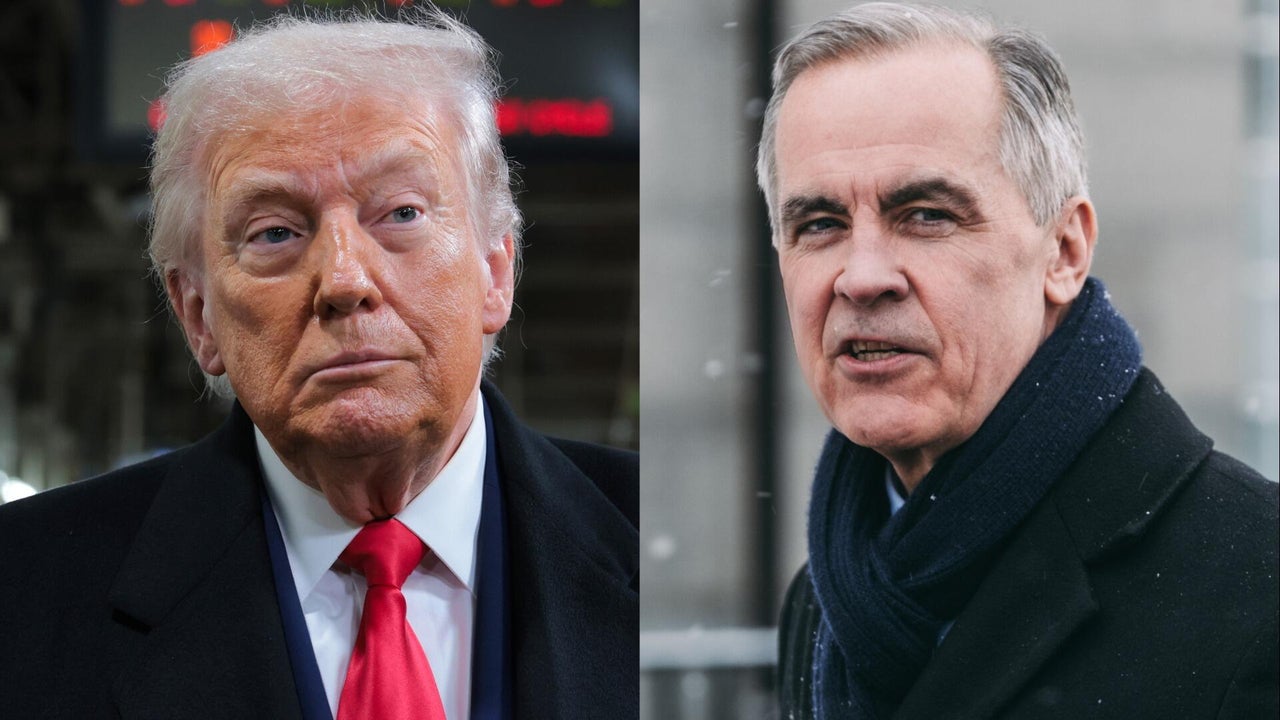
Critics argue the decline reflects growing international discomfort with America’s political climate — particularly the return of Donald Trump to the center of global political attention.
While Trump remains enormously popular with his supporters, his political brand continues to generate strong reactions internationally. Trade disputes, inflammatory rhetoric, diplomatic tensions, and concerns about instability have all contributed to a growing perception problem abroad.
And now, some tourism analysts believe that perception may finally be carrying measurable economic consequences.
One Canadian tourism consultant described the shift bluntly during a recent media appearance.
“People travel where they feel comfortable,” the consultant said. “If international visitors begin associating a country with chaos, anger, division, or unpredictability, they often choose somewhere else.”
That statement has spread rapidly online.
Especially because the contrast between Canada and the United States is becoming increasingly central to international media narratives.
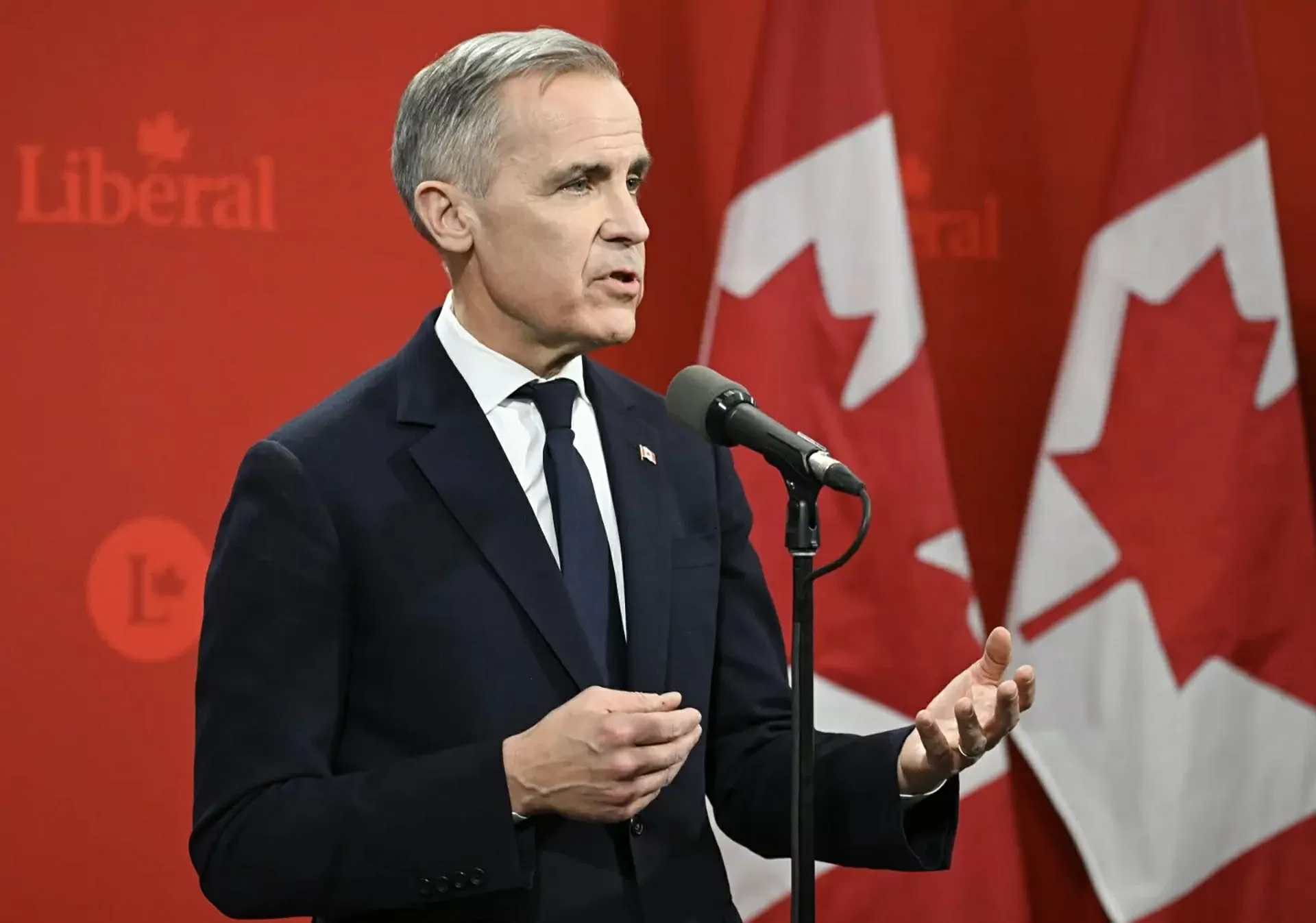
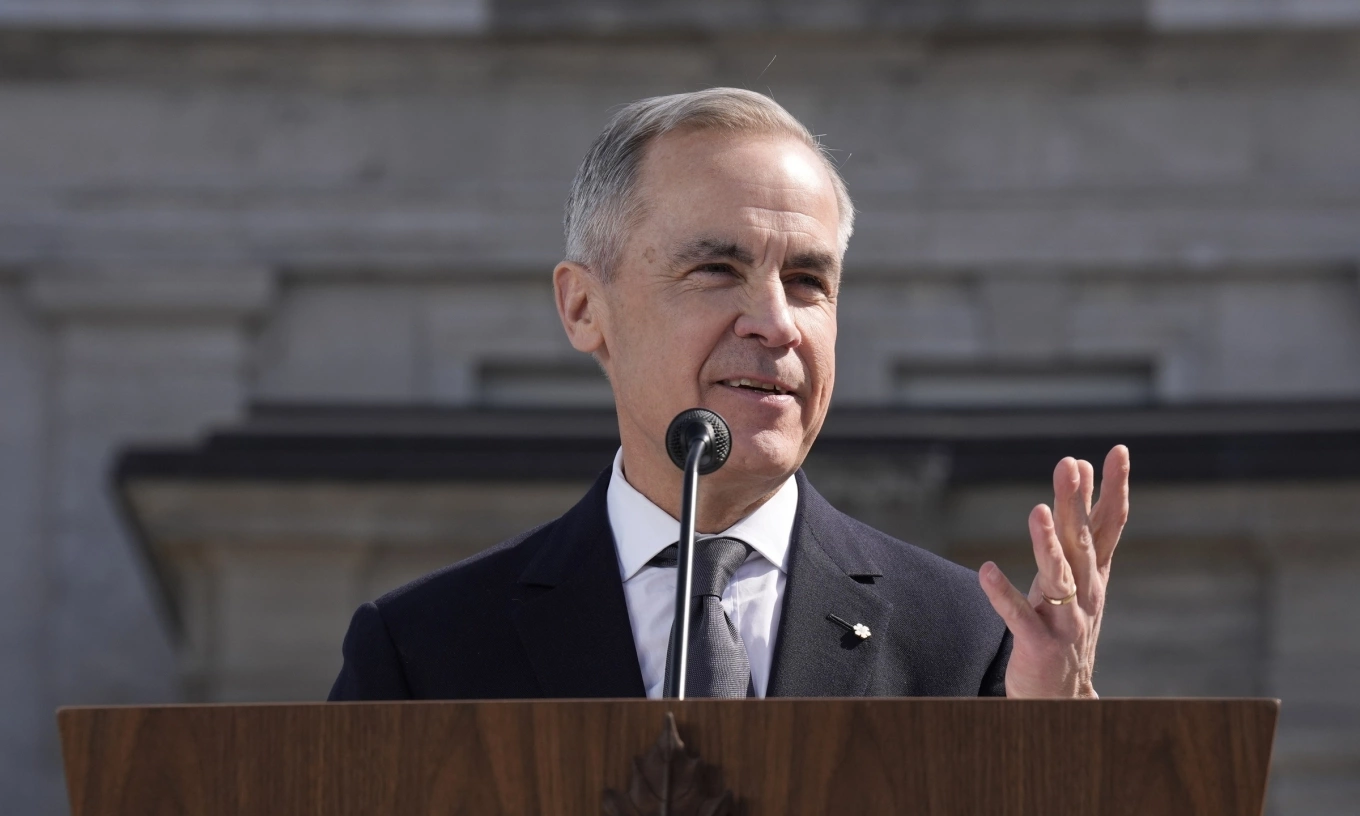
Under Prime Minister Mark Carney, Canada has aggressively promoted itself as a stable, cooperative, globally connected economy focused on diplomacy, investment partnerships, and long-term growth.
Carney’s government has repeatedly emphasized economic independence, international cooperation, clean investment strategies, and strengthening ties with European and Asian allies.
Supporters argue that approach has boosted Canada’s reputation at exactly the moment America’s international image is becoming more polarized.
Some political commentators have even suggested Canada is quietly positioning itself as the “stable alternative” to the United States in the eyes of global investors and travelers.
And nowhere is that contrast becoming more visible than in conversations surrounding the World Cup.
Behind closed doors, executives in the tourism industry are reportedly growing nervous.
The World Cup was expected to deliver billions in spending across transportation, hospitality, entertainment, and retail sectors. Entire business strategies were built around massive waves of foreign visitors.
But weak early booking numbers are now forcing difficult conversations.
One hospitality executive reportedly admitted that expectations inside the industry “may have been overly optimistic.”
Others are beginning to question whether political polarization is now directly impacting international tourism confidence.
Social media has only intensified the debate.
Hashtags linked to boycotting travel to the United States have started appearing more frequently online, particularly among younger international audiences. Viral posts criticizing American politics, gun violence, healthcare costs, and political instability continue spreading rapidly across platforms.
Some users openly describe avoiding U.S. travel because they no longer feel welcome or safe.
Others accuse the media of exaggerating the issue for political purposes.
The debate has become explosive.
Trump supporters argue the criticism is politically motivated and disconnected from reality. They point to strong domestic tourism numbers, large campaign crowds, and ongoing economic activity as evidence America remains enormously influential.
But critics insist international perception matters — especially when major global events are involved.
And perception, they argue, can become economic reality surprisingly quickly.
The FIFA World Cup was supposed to reinforce America’s soft power.
Instead, some fear it may now expose growing fractures in global confidence.
Several travel analysts have pointed to a broader international trend that extends beyond sports tourism alone.
International surveys increasingly show younger travelers prioritizing political stability, social climate, inclusiveness, and safety perceptions when selecting destinations. In the age of viral media and instant political controversy, national image can shift rapidly.
That creates risks for countries hosting globally visible events.
Every protest, political clash, controversial speech, or international dispute can instantly become part of the tourism narrative.
And for the United States, critics argue the political atmosphere has become impossible to separate from the country’s global brand.
Meanwhile, Canadian officials are seizing the opportunity.
Tourism campaigns promoting Canada’s cities, natural landscapes, multicultural identity, and international openness have expanded significantly over the past year. Domestic investment in infrastructure and hospitality has also increased.
Some Canadian business leaders privately believe the country could benefit economically if international travelers continue redirecting spending away from the U.S.
That possibility is fueling even more controversy online.
Critics accuse Canada of quietly exploiting America’s political turmoil for strategic advantage.
Supporters argue Canada is simply responding intelligently to changing global dynamics.
Either way, the numbers are becoming harder to ignore.
And now the conversation is growing far bigger than sports.
Economists warn that tourism trends often reflect deeper international confidence signals. If travelers lose trust in a country’s stability, investors may eventually start asking similar questions.
That is why some analysts believe weak World Cup tourism data could become politically symbolic far beyond the hospitality industry itself.
Because at its core, this debate is no longer just about vacations.
It is about trust.
Trust in leadership.
Trust in institutions.
Trust in national stability.
And trust in the future direction of the United States itself.
For decades, America represented aspiration, confidence, and opportunity to millions around the world.
Now, critics fear the country risks becoming increasingly associated with division, uncertainty, and political exhaustion.
Whether that perception is fair or exaggerated remains fiercely debated.
But one thing is becoming undeniable:
The world is watching closely.
And as World Cup preparations continue, many are beginning to wonder whether the tournament will showcase American strength…
Or reveal how much global confidence may already be slipping away.






