What was supposed to be one of the biggest economic celebrations in modern American history is instead transforming into something very different. Political observers across North America are starting to ask an uncomfortable question regarding why international travelers are suddenly avoiding the United States ahead of the highly anticipated FIFA World Cup.
For years, tournament organizers confidently predicted that the world’s premier sporting event would deliver a massive financial boom to major American cities. Expectant hotels predicted record-breaking demand, local restaurants significantly expanded their operations, commercial airlines projected millions of additional visitors, and municipal governments invested heavily in infrastructure upgrades.
The upcoming FIFA World Cup was explicitly designed to symbolize America’s global influence, unmatched economic power, and enduring international appeal. Instead, early tourism data is reportedly sending shockwaves through the hospitality industry as hotel bookings in several major host cities are currently tracking far below original, optimistic projections.
Some tourism insiders, speaking on the condition of anonymity, have described internal corporate conversations as deeply concerning, especially given the enormous financial forecasts previously attached to the tournament. At the absolute center of this growing economic controversy is a political trend that travel analysts call impossible to ignore.
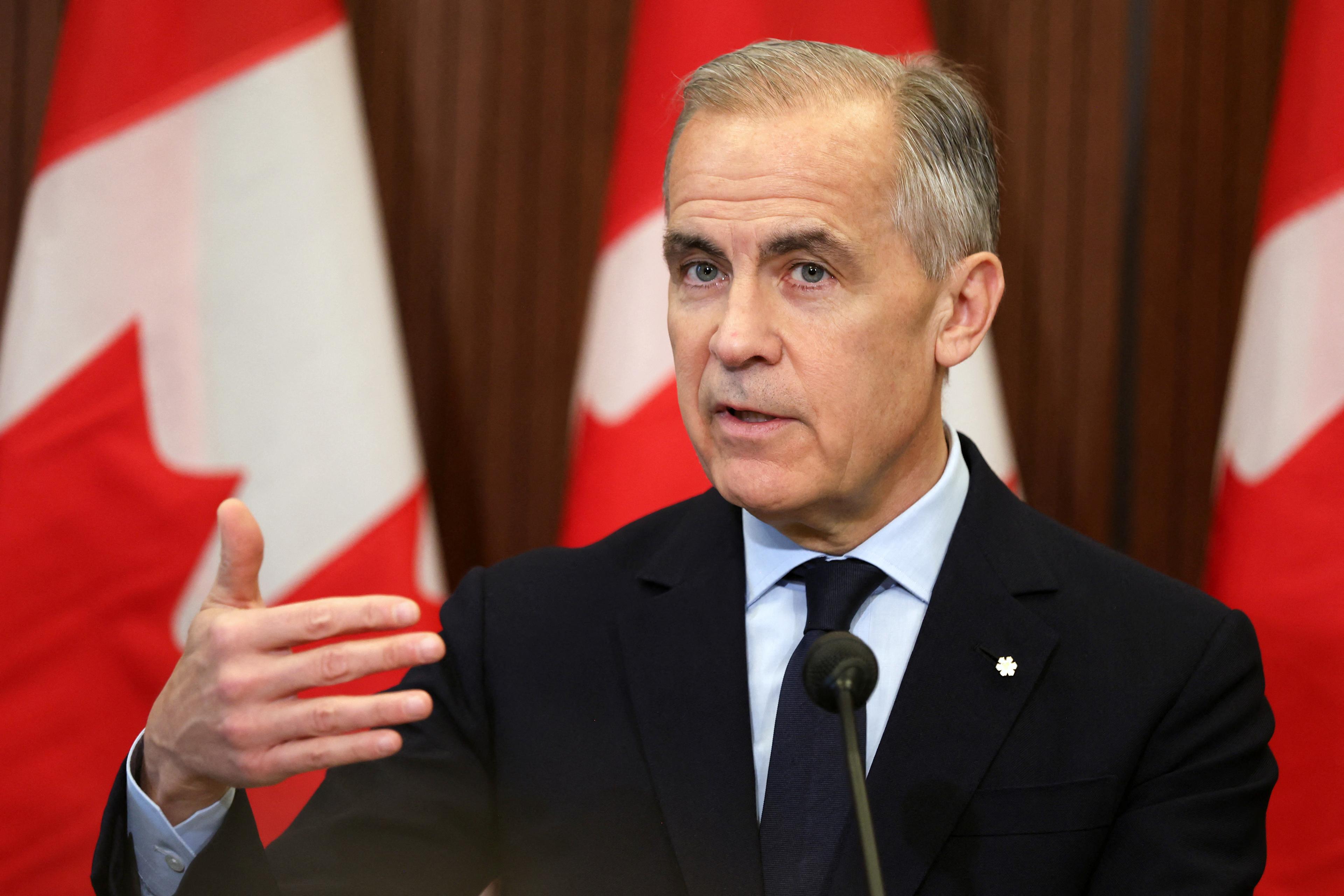
This destabilizing trend is driven primarily by Canada’s pronounced travel pullback from the United States market over the past year. New figures suggest Canadian travel into America has declined for fifteen consecutive months, a stunning statistic considering Canadians have historically been among the most reliable international visitors to the country.
What makes this shifting travel trend even more striking to economists is that Canadian citizens are not actually traveling less overall. They are simply choosing not to spend their money inside the United States, preferring instead to redirect their lucrative international spending toward alternative global destinations across the world.
Many Canadian travelers are reportedly redirecting vacations, business trips, and discretionary spending toward Europe, Asia, Latin America, and domestic tourism spots. The exact timing of this massive behavioral shift has fueled an intense political debate regarding the underlying causes of this unprecedented drop in traditional traveler volume.
Critics argue this steady decline directly reflects growing international discomfort with America’s current political climate and its global positioning. While former President Donald Trump remains enormously popular with his domestic base, his distinct political brand continues to generate strong, often polarizing reactions among traditional international allies and travelers.
Ongoing trade disputes, inflammatory diplomatic rhetoric, bilateral tensions, and persistent concerns about domestic instability have all contributed to a growing perception problem abroad. Now, several prominent tourism analysts believe that this negative foreign perception may finally be carrying measurable, damaging economic consequences for American businesses.
One Canadian tourism consultant described this shift bluntly during a recent national media appearance regarding changing travel habits. The consultant noted that people ultimately travel where they feel comfortable, and if visitors associate a country with chaos, division, or unpredictability, they will choose somewhere else.
“If international visitors begin associating a country with chaos, anger, division, or unpredictability, they often choose somewhere else.” — Travel Consultant
That blunt statement has spread rapidly across online platforms, especially because the contrast between Canada and the United States is growing. Under Prime Minister Mark Carney, Canada has aggressively promoted itself as a stable, cooperative, globally connected economy focused on diplomacy, clean investment partnerships, and sustainable growth.
Carney’s government has repeatedly emphasized economic independence, multilateral international cooperation, and the strengthening of ties with European and Asian allies. Supporters argue that this collaborative approach has significantly boosted Canada’s international reputation at the exact moment America’s image is becoming increasingly polarized.

Some political commentators have even suggested that Ottawa is quietly positioning itself as the stable alternative to the United States. This strategic contrast is becoming increasingly visible in broader conversations surrounding the upcoming World Cup, where tourism executives are reportedly growing incredibly nervous behind closed doors.
The World Cup was widely expected to deliver billions of dollars in foreign spending across the transportation and hospitality sectors. Entire corporate strategies were meticulously built around massive waves of foreign visitors, but weak early booking numbers are now forcing difficult executive conversations regarding their investments.
One prominent hospitality executive recently admitted that initial expectations inside the tourism industry may have been overly optimistic from the start. Others are beginning to question whether extreme political polarization is now directly impacting international tourism confidence, making foreign travelers rethink their summer holiday plans.
Social media has only intensified this debate, as specific hashtags linked to boycotting travel to America appear more frequently online. Viral posts criticizing American political instability, gun violence, and high healthcare costs continue spreading rapidly across global platforms among younger, socially conscious international audiences.
Some international users openly describe avoiding travel to the United States because they no longer feel welcome or entirely safe. Others fiercely accuse the mainstream media of exaggerating this underlying issue for partisan political purposes, making the entire debate surrounding tourism highly explosive online.
Trump supporters argue that the intense criticism is entirely politically motivated and completely disconnected from everyday economic reality on the ground. They point to robust domestic tourism numbers, massive campaign crowds, and ongoing economic activity as definitive evidence that America remains an enormously influential global power.
However, critics insist that international perception matters immensely, especially when major global events like the World Cup are involved. This foreign perception, they argue, can transform into harsh economic reality surprisingly quickly, directly threatening the soft power that the tournament was supposed to reinforce.
Instead of showcasing unity, some fear the event may now expose growing fractures in global confidence toward the United States. Several travel analysts have pointed to a broader international trend that extends far beyond sports tourism, altering how global brands approach marketing to foreign consumers.
International surveys increasingly show that younger travelers heavily prioritize political stability, social climate, inclusiveness, and safety perceptions when selecting destinations. In the modern age of viral media and instant political controversy, a nation’s carefully cultivated image can shift rapidly following a single viral incident.
That dynamic creates massive financial risks for countries hosting globally visible events that require years of expensive preparation and planning. Every political clash, controversial speech, or international dispute can instantly become part of the dominant tourism narrative, driving away potential high-spending foreign visitors.
For the United States, critics argue that the tense political atmosphere has become completely impossible to separate from its global brand. Meanwhile, Canadian tourism officials are actively seizing this unique economic opportunity to promote their own domestic attractions to a global audience.
Tourism campaigns promoting Canada’s major cities, diverse natural landscapes, multicultural identity, and international openness have expanded significantly over the past year. Domestic investment in infrastructure and hospitality has also increased across Canada to accommodate the expected influx of redirected international travelers.
Some Canadian business leaders privately believe their country could benefit economically if international travelers continue redirecting spending away from America. That distinct possibility is fueling even more intense controversy online between observers from both neighboring North American nations over economic poaching.
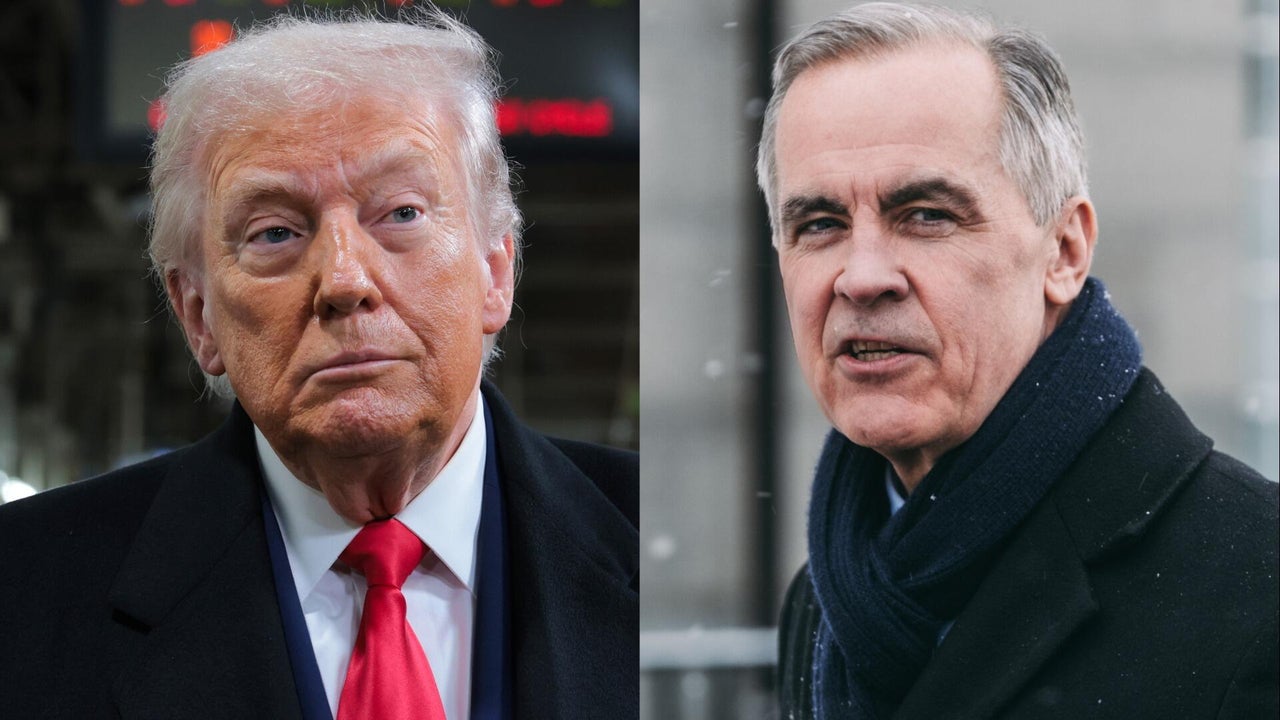
Critics accuse Canada of quietly exploiting America’s internal political turmoil for strategic financial advantage during a critical global sporting event. Supporters argue that Canada is simply responding intelligently and pragmatically to changing global dynamics and shifting international consumer preferences.
Either way, the actual tourism numbers are becoming increasingly harder for industry leaders and government economists to ignore moving forward. The conversation is rapidly growing far bigger than sports, as economists warn that tourism trends often reflect deeper international confidence signals.
If international travelers lose trust in a country’s basic stability, global investors may eventually start asking similar, damaging structural questions. That is why some analysts believe weak World Cup tourism data could become politically symbolic far beyond the immediate hospitality and entertainment industries.
Because at its absolute core, this intense transatlantic debate is no longer just about family vacations or sporting event tickets. It is fundamentally about trust—trust in national leadership, trust in democratic institutions, and trust in the future direction of the United States itself.
For decades, America represented the ultimate global symbol of aspiration, confidence, and economic opportunity to millions of people around the world. Now, critics fear the country risks becoming increasingly associated with deep division, social uncertainty, and a sense of political exhaustion.
Whether that negative international perception is fair or wildly exaggerated remains a subject of fierce debate across the political spectrum. But one thing is becoming undeniable: the world is watching closely as World Cup preparations continue apace across the continent.
Many are beginning to wonder whether the historic tournament will ultimately showcase American strength and enduring soft power to the world. Or, conversely, if it will painfully reveal how much global confidence and economic dominance may have already quietly slipped away from Washington.
To review the detailed financial metrics and visual analysis of how these travel patterns are shifting across the border, you can watch this report on The Changing Landscape of North American Tourism. This breakdown outlines the specific economic data driving the current reassessment of World Cup travel projections.






