The Zero-Sum Game: John Kennedy, Kash Patel, and the 23 Silenced Witnesses
In the high-stakes theater of Washington oversight, we are conditioned to look for the “smoking gun” in a leaked memo or a redacted photograph. We expect the truth to be buried under layers of “Top Secret” stamps or hidden within the encrypted servers of a clandestine agency. But on the morning of March 5, 2026, the most devastating piece of evidence entered into the Congressional Record didn’t require a security clearance to understand. It was a single digit: 0.
Inside the Senate Judiciary Committee, Senator John Kennedy (R-LA) bypassed the bureaucratic fog of classification codes and inter-agency protocols to ask a question so simple it left FBI Director Kash Patel structurally paralyzed. The question wasn’t about what was in the files; it was about what the FBI had done with the human beings whose lives are documented within them.

I. The “Human Infrastructure” of the Epstein Files
To understand the weight of Kennedy’s interrogation, one must first understand the scale of the “witness inventory” available to the FBI. The Epstein investigation files, released in fragments throughout 2025 and early 2026, are not merely collections of financial data. They are a repository of human testimony.
There are 23 specific individuals identified in the files as high-value witnesses. These are not anonymous trolls or hearsay sources; these are men and women who:
-
Walked into federal buildings and swore an oath.
-
Provided detailed, firsthand accounts of trafficking operations.
-
Named specific, high-profile associates present at Epstein’s properties.
-
Provided their current contact information to the Department of Justice.
In the architecture of a legitimate investigation, these 23 people represent the “primary leads.” They are the starting point for any prosecution. Yet, as Kennedy established, for the eleven months of Kash Patel’s tenure as FBI Director, these leads have remained entirely cold.
II. The 9-Second Calculation: When Silence is a Confession
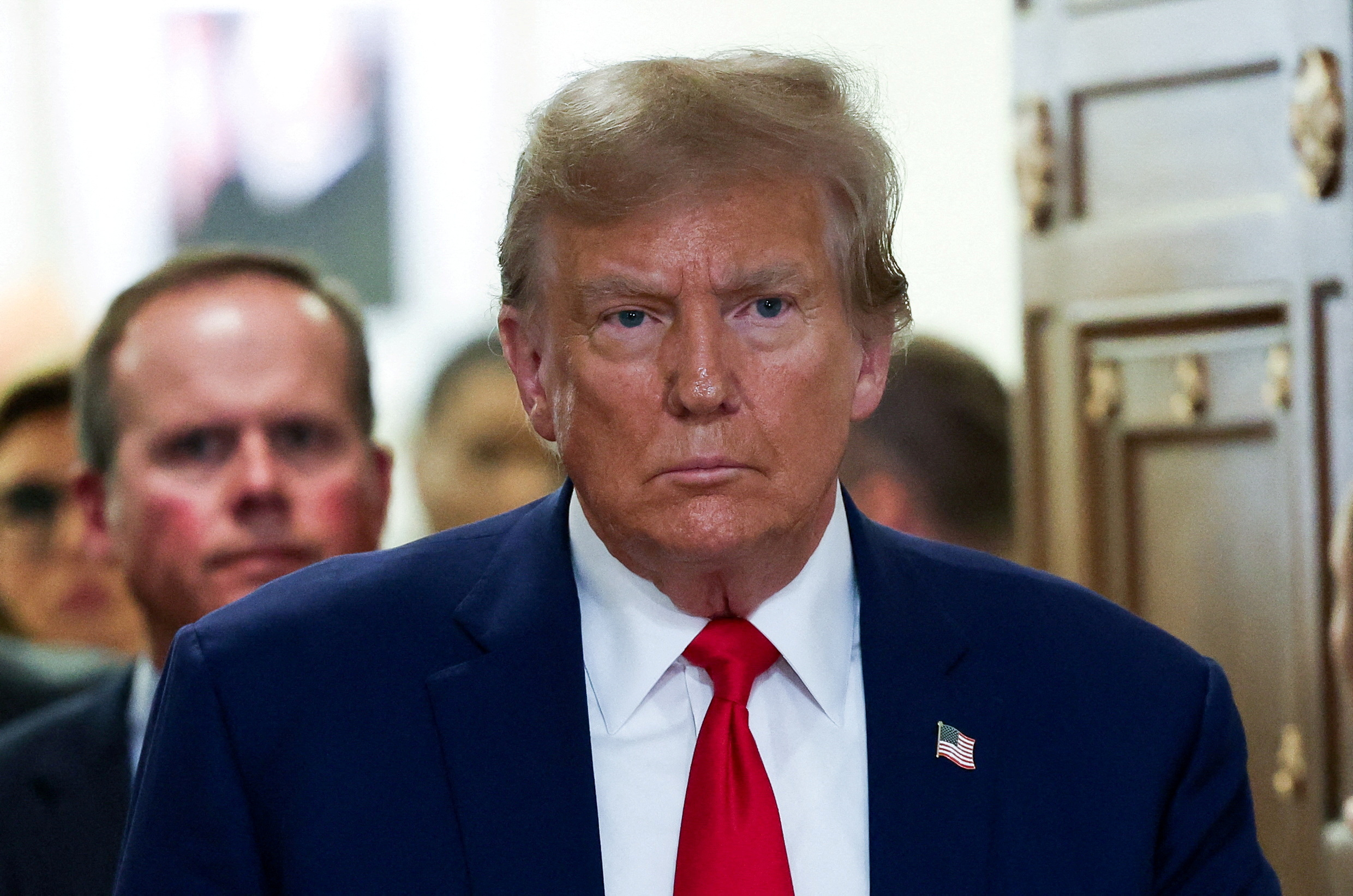
The defining moment of the hearing was the silence. When Kennedy asked how many of those 23 witnesses had been contacted for a follow-up interview since Patel took office, the FBI Director did not answer. He didn’t even reach for a briefing book.
The 9-second pause that followed was a physical manifestation of institutional failure. In the landscape of congressional testimony, a 9-second delay on a numerical question is the sound of an official realizing there is no “safe” number to provide. If he said “all of them,” he would be committing perjury. If he said “some,” he would be asked for names. When he eventually produced 41 words of procedural jargon—referencing “investigative integrity” and “established protocols”—Kennedy translated it back into the only word that mattered: Zero.
| Metric of Investigation | Data Point (March 2026) |
| Active High-Value Witnesses | 23 |
| Duration of Patel’s Tenure | 11 Months |
| Follow-up Contacts Initiated | 0 |
| Redacted Names in Public Files | 10,000+ |
III. The Architecture of “Look-Like” Oversight
The core of Kennedy’s argument is that the FBI has built a system designed to “look” like an investigation while ensuring no actual movement occurs. This channel has documented this pattern across multiple hearings in 2026:
-
The Document Dump: Releasing 3.5 million pages to simulate transparency.
-
The Redaction Shield: Using 1,000 agents to scrub names (specifically the President’s) from those pages.
-
The Classification Trap: Upgrading files to “Top Secret/SAR” to keep them out of congressional hands.
-
The Witness Freeze: Simply never calling the people who could verify the information.

By failing to contact a single witness in 11 months, the FBI has effectively “mothballed” the investigation. You cannot have an “ongoing investigation” if you aren’t talking to the people who have the evidence. This isn’t a series of administrative errors; it is a deliberate structural choice to maintain the status quo.
IV. The “Last Person Expected”
The political significance of this moment cannot be overstated. Throughout 2025, the defense of the FBI’s handling of the Epstein files was that any criticism was a “partisan attack” by Democrats. But John Kennedy is a Republican, questioning a Republican appointee.
When the “friendly” side of the aisle begins to point out that the emperor has no clothes—or in this case, that the Director has no phone calls—the partisan shield collapses. This is why the clip of the “Zero” response traveled across every political boundary on Earth within 48 hours. It stripped the investigation of its political cover and revealed it as a systemic protection racket.
V. The 23: A Legacy of Abandonment
The most haunting part of the hearing was Kennedy’s shift from the Director to the record itself. He spoke of the courage it took for those 23 people to come forward. In a world where Jeffrey Epstein died in federal custody and his associates occupy the highest rungs of global power, speaking the truth is a high-risk activity.
These witnesses did their part. They showed up. They named names. They waited. And for 330 days, the Federal Bureau of Investigation—the world’s premier law enforcement agency—didn’t find the time to pick up the phone. This silence is not just a failure of justice; it is a message to every future whistleblower that the system will receive your truth and then bury it in a vault of “ongoing procedural reviews.”
Conclusion: The Number that Won’t Go Away
Kash Patel walked into the Senate Judiciary Committee expecting to talk about “resource allocation” and “inter-agency frameworks.” He left with a number tied to his legacy that no amount of bureaucratic language can erase.
Zero. As of March 2026, the Epstein investigation stands as a monument to “manufactured silence.” The documents are there, the names are there, and the witnesses are there. The only thing missing is the will to act. And as long as that number remains zero, the “transparency” promised to the American people remains a sham.
Would you like me to research the specific “Witness Protection and Engagement” protocols of the FBI to see if failing to contact sworn witnesses in a high-profile trafficking case for 11 months constitutes a violation of the Attorney General’s Guidelines for FBI Operations?






