Deposition Testimony and Real Estate Deal Renew Scrutiny of Trump–Epstein Relationship
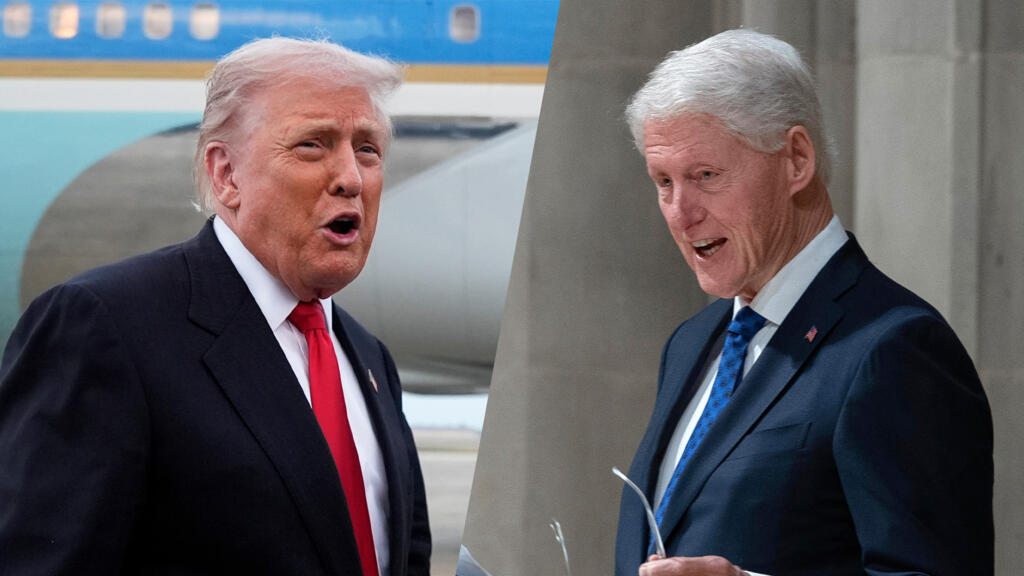
Questions surrounding former President Donald Trump’s past relationship with Jeffrey Epstein resurfaced this week following discussion of deposition testimony from former President Bill Clinton.

During a deposition related to ongoing congressional inquiries into Epstein’s network and associates, Clinton was asked whether Trump had ever discussed Epstein with him and whether he had knowledge of any misconduct involving underage girls. According to accounts of the testimony, Clinton said that what he understood about the falling out between Trump and Epstein involved a financial dispute — specifically, a real estate transaction — rather than allegations involving sex trafficking.
The real estate deal in question dates back to 2004. That year, Trump purchased an oceanfront mansion in Palm Beach, Florida, through a bankruptcy auction for approximately $41 million. The property had belonged to nursing home executive Abe Gossman, who had filed for bankruptcy. In 2008, Trump sold the estate for roughly $95 million to Russian billionaire Dmitry Rybolovlev. The transaction drew attention at the time because of the significant profit realized in a relatively short period, despite reports that few major renovations were made.:max_bytes(150000):strip_icc():focal(749x0:751x2)/donald-trump-bill-clinton-022726-bdcdaa43ca854816a697207ea820ca43.jpg)
Some commentators and journalists have noted that Epstein had previously shown interest in the property before Trump acquired it. According to accounts from individuals familiar with Epstein’s statements, he was surprised that Trump ultimately purchased the mansion at auction. Over the years, different narratives have emerged about whether the real estate dispute contributed to the deterioration of the Trump–Epstein relationship.
Michael Wolff, a journalist who has written extensively about Trump, has previously claimed that Epstein characterized the falling out as related to the Palm Beach property. However, those characterizations remain based on reported conversations and have not been independently verified through documentary evidence.
Republican lawmakers, including members of the House Oversight Committee, held a press conference following Clinton’s deposition and suggested that his testimony did not implicate Trump in Epstein’s criminal conduct. Some Democratic commentators, however, argued that Clinton’s remarks did not “exonerate” Trump but rather clarified that the dispute between Trump and Epstein appeared to center on financial matters.
The broader context includes renewed scrutiny of Epstein’s financial dealings and connections to powerful individuals in business and politics, both in the United States and abroad. Lawmakers from both parties have called for additional transparency regarding documents related to Epstein’s activities and associations.
Trump has previously stated that he ended his relationship with Epstein years before Epstein’s 2019 arrest and has denied any knowledge of Epstein’s criminal conduct. Public records confirm that Trump and Epstein were socially acquainted in the early 2000s, particularly in Palm Beach and New York circles.
The 2008 property sale itself has been examined in past reporting, with some analysts noting that the transaction occurred during a period of financial volatility. Rybolovlev later demolished the mansion and subdivided the land.
As congressional inquiries and document reviews continue, attention remains focused on what financial and social relationships existed between Epstein and prominent figures — and whether any additional evidence will clarify the nature of those connections.
For now, the available record shows that Clinton’s deposition testimony referenced a financial dispute as the cause of the Trump–Epstein split. Whether further documentation alters that understanding remains to be seen.






